Resurgence of Cold War Hovercrafts Signals Strategic Shifts in Pacific Security
Resurgence of Cold War Hovercrafts Signals Strategic Shifts in Pacific Security
Introduction
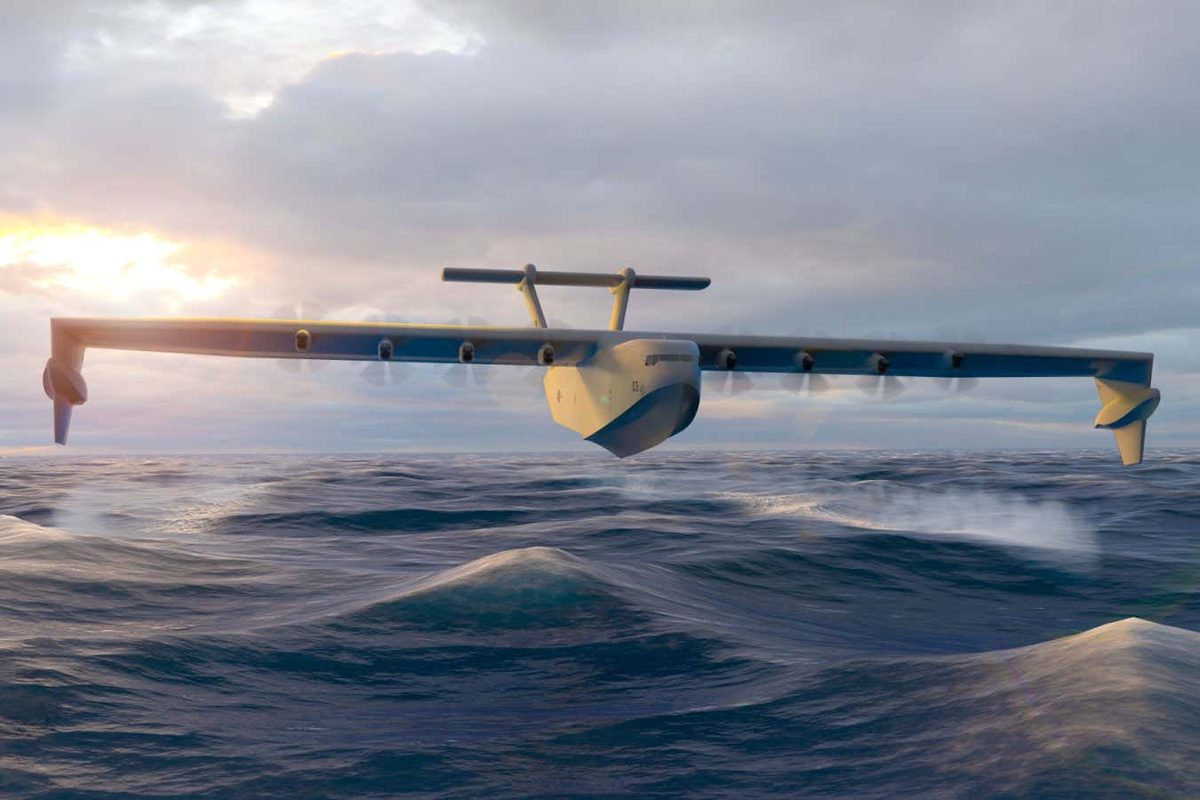
Hovercrafts, specifically sea-skimming variants that glide mere inches above the water’s surface, are witnessing an unexpected revival more than half a century after their initial development. Originally engineered during the Cold War by the Soviet Union as swift, elusive maritime vessels, these crafts were largely abandoned due to technological limitations and changing military doctrines. However, in recent years, both the United States and China have shown renewed interest in these vehicles, incorporating advanced technologies that could redefine naval operations in the increasingly tense waters of the Indo-Pacific region.
Key Details
- Historical development: Sea-skimming hovercrafts trace back to Soviet maritime innovation in the 1960s and 1970s, intended for rapid assault and coastal defense missions.
- Technological challenges: Early models suffered from noise, fuel inefficiency, and vulnerability to rough seas, limiting operational deployment.
- Modern adaptations: Enhanced materials, quieter engines, and improved navigation systems are enabling current models to overcome previous drawbacks.
- Strategic interest: Both China and the US view these crafts as valuable assets for rapid deployment, littoral combat, and asymmetric warfare tactics in contested maritime zones.
- Geopolitical context: The revival correlates with rising tensions over territorial disputes and freedom of navigation in the Pacific, particularly concerning the South China Sea and Taiwan Strait.
Background
During the Cold War, the Soviet Union sought to develop hovercrafts capable of skimming above water to evade enemy detection and shore-based defenses. These vessels were designed to be fast, agile, and capable of transporting troops or launching surprise attacks along coastlines. Despite the promise, technical limitations such as high fuel consumption, mechanical complexity, and operational noise led to their eventual decline in favor of more versatile hovercraft or traditional naval vessels.
Meanwhile, the United States primarily focused on conventional naval power and missile technology, sidelining hovercraft development except for specific applications like amphibious landing ships. However, the strategic calculus has shifted in the 21st century. Emerging maritime threats, advances in sensor technology, and the need for rapid response in archipelagic environments have rekindled interest in these unique crafts.
Analysis
The revival of sea-skimming hovercraft reflects broader strategic and technological trends. From a military standpoint, these crafts offer distinct advantages in the Indo-Pacific theater:
- Stealth and speed: Skimming just above the waves reduces radar signatures and enables rapid approach or withdrawal.
- Versatility: Hovercraft can operate over shallow waters, reefs, and beaches inaccessible to traditional boats, making them ideal for island chains and littoral zones.
- Asymmetric warfare: In scenarios where larger, conventional naval forces may be constrained, small, agile hovercraft can provide tactical surprise and disrupt enemy supply lines.
China’s military modernization includes deploying advanced hovercraft for patrol and rapid troop deployment, particularly in the South China Sea, where control over contested islands and maritime routes is critical. The US, recognizing potential vulnerabilities in its Pacific posture, is investing in hovercraft to enhance its littoral combat capabilities and maintain strategic flexibility against Chinese expansion.
Technologically, improvements in propulsion systems, materials science, and autonomous navigation are overcoming former challenges, making these crafts more sustainable and operationally effective. Moreover, the integration of drones and electronic warfare systems with hovercraft platforms could multiply their utility in future conflicts.
Conclusion
The renewed focus on sea-skimming hovercraft is emblematic of evolving maritime security dynamics in the Pacific. As geopolitical competition intensifies, particularly between the US and China, these once-overlooked Cold War relics are being reimagined with modern technology to suit contemporary strategic needs. Their comeback highlights the persistent value of innovative maritime platforms that can operate in complex, contested environments, underscoring the ongoing transformation of naval warfare in the 21st century.