Transforming Nature: Elk to Wolfish Monsters in Ancient Art
Introduction
In the vast expanse of the Altai-Sayan Mountains, a region captivatingly nestled in parts of modern-day Russia, Mongolia, Kazakhstan, and China, ancient horse-riding peoples known as the Siberian Scythians once thrived. Their rich tapestry of cultural expressions is being re-evaluated in light of new research that looks into how the image of the elk (Cervus elaphus sibiricus) has evolved over millennia. University of Oregon art historian Esther Jacobson-Tepfer has dedicated significant time to studying this transformation, revealing profound insights into the interaction between art, culture, and environmental change.
Key Details
- The study tracks elk imagery from the Late Palaeolithic period (approximately 12,000 years ago) through the early Iron Age (late first millennium BCE).
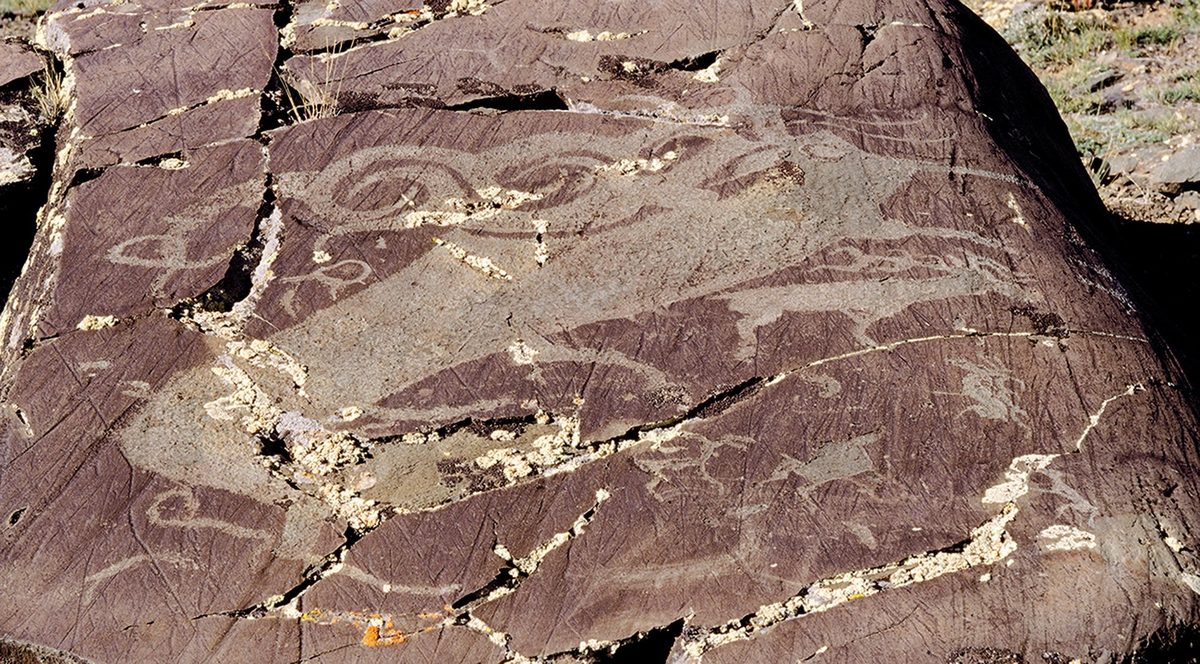
- Early depictions were naturalistic, often featuring the elk in profiles, sometimes alongside other Ice Age creatures.
- By the end of the Bronze Age (approximately 3000 to 800 BCE), elk depictions began to stylize, reflecting social statuses and clan identities.
- The transformation of elks into more fantastical, wolfish images correlates with societal changes due to horseback riding's influence.
- Environmental shifts during the mid to late Holocene affected both the elk populations and the lifestyles of the people in the Altai region.
Background
Jacobson-Tepfer's recent findings, published in the Cambridge Archaeological Journal, dive into a fascinating timeline of artistic expression in the Altai Mountains. Initially, elk representations were realistic—crafted through painstakingly pecking into stone. These images depicted elk in serene poses, reflecting their importance in the ecological tapestry of the region, alongside extinct fauna such as mammoths and woolly rhinos. This naturalistic approach signifies a culture deeply intertwined with its environment.
As time progressed toward the end of the Bronze Age, the aesthetic shifted towards abstraction. Elk began to symbolize more than mere wildlife; they became emblems of identity—potentially representing clan affiliations, social status, or even gender roles. This evolution indicates a shifting cultural landscape where the practical view of nature transitioned to an abstract, symbolic interpretation.
Impact Analysis
Jacobson-Tepfer notes a significant psychological shift in the societies depicted in the art. She argues that the transformation of the elk into more monstrous, wolf-like forms during the Late Bronze and Early Iron Ages represents a broader cultural movement influenced by the advent of horseback riding. This new mode of transport and its accompanying lifestyle changes likely altered the collective psyche of these ancient peoples, leading them to embrace themes of predation and transformation over the more passive, naturalistic representation of animals.
“The physical transformation of the elk into wolf occurred in the Late Bronze and Early Iron Ages, when the adoption of horseback riding slowly altered the psyche of the people,” Jacobson-Tepfer stated.
This statement underscores the notion that art is not just a reflection of aesthetic preferences but rather a window into the society's changing dynamics. As the elk transformed artistically, so too did the values, identities, and lifestyles of the people creating these pieces of art.
Broader Context
The changing artistic depictions of the elk coincide with significant environmental changes in the Eurasian steppe. The mid-Holocene period brought about cooler and drier conditions, forcing human populations to adapt their practices. As forests receded and the elk populations dwindled, societies began to embrace semi-nomadic pastoralism, indicating a shift from hunting large game to herding domesticated animals. This transition was not merely about survival; it was a profound reconfiguration of social structures and relationships with the environment.
Joseph Campbell's idea of the hero's journey resonates here, as the elk morphing into wolfish figures can be seen as a metaphorical journey reflecting the transition from one way of life to another—a rite of passage into new social identities and a deeper understanding of their surroundings.
Future Outlook
The implications of Jacobson-Tepfer's research extend far beyond art history; they provide valuable insights into human adaptability and resilience in the face of environmental changes. Understanding these cultural evolutions can help contemporary society grapple with similar challenges posed by climate change today.
As modern audiences engage with ancient art, they gain a deeper appreciation for the ways in which societies have navigated their environments, adapted their identities, and expressed their realities through art. The study of these transformations can also inform current discussions about how art can serve as a tool for social reflection and change.
Conclusion
The metamorphosis of the elk into wolfish forms in ancient art is a testament to the intricate relationship between culture, environment, and identity. Jacobson-Tepfer's work not only sheds light on the artistic practices of the Scythians but also invites us to consider how our own identities are shaped by the environments we inhabit. As we reflect on these ancient narratives, we are reminded of the enduring power of art to reveal the complexities of human experience and evolution.