Ecological Crisis: Algal Bloom Threatens Seadragons in South Australia
Ecological Crisis: Algal Bloom Threatens Seadragons in South Australia
Introduction
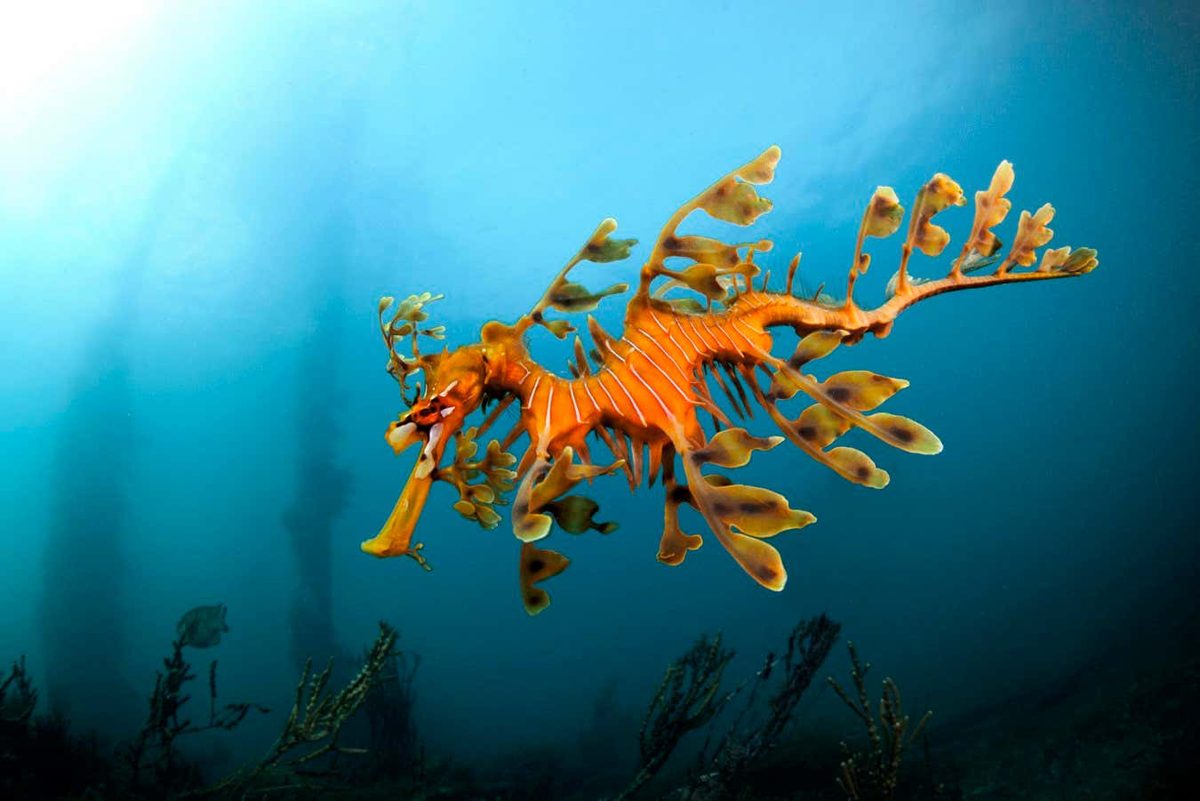
In recent months, South Australia's coastal waters have been marred by a severe algal bloom, leading to widespread marine mortality. Among the victims of this ecological disaster are the region's iconic leafy and weedy seadragons, which researchers are now warning could face the threat of extinction due to the ongoing environmental crisis.
Key Details
- The algal bloom has been predominant since March 2023, affecting various marine species.
- Seadragons, which are unique to Australian waters, have seen a significant decline in populations.
- Researchers indicate that the bloom is linked to rising sea temperatures and nutrient overload.
- Local ecosystems are suffering from decreased water quality and biodiversity loss.
- Conservationists are urging immediate action to mitigate the effects of the bloom.
Background
Algal blooms, often referred to as 'red tides', occur when there is an overgrowth of algae in water bodies, frequently triggered by nutrient pollution and climate change. In South Australia, this phenomenon has intensified due to a combination of factors, including agricultural runoff, sewage discharge, and increasing ocean temperatures. These blooms can produce toxins that are harmful to marine life, leading to fish kills and the disruption of entire ecosystems.
The leafy and weedy seadragons are particularly vulnerable species that rely on healthy marine environments for their survival. These captivating creatures, known for their intricate and beautiful appearances, play an essential role in their ecosystems, contributing to the balance of marine life. However, their populations are already under pressure from habitat degradation and climate change, making the current algal bloom even more detrimental.
Analysis
The implications of the algal bloom extend beyond the immediate deaths of seadragons and other marine creatures. The loss of biodiversity can lead to long-term ecological imbalances, affecting not just marine life but also human communities that depend on healthy oceans for their livelihoods. Fishermen, tourism operators, and coastal communities could face economic repercussions as fish populations decline and recreational activities suffer.
Moreover, the algal bloom serves as a stark reminder of the interconnectedness of ecosystems and the impact of human activity on natural systems. As climate change exacerbates environmental stressors, the urgency for effective conservation measures has never been clearer. Scientists are calling for increased monitoring of marine environments and stricter regulations on nutrient runoff to prevent future blooms.
In response to this crisis, conservationists are advocating for immediate actions, such as:
- Implementing better waste management practices to reduce nutrient runoff into waterways.
- Increasing public awareness about the importance of marine conservation.
- Establishing protected areas to safeguard vulnerable marine species.
- Collaborating with local communities to foster sustainable fishing practices.
Conclusion
The current algal bloom in South Australia represents a critical juncture for marine conservation efforts. With seadragons facing an existential threat, it is imperative that stakeholders—from government agencies to local communities—come together to implement effective strategies to combat the pollution and climate change that are driving these harmful blooms. Failure to act could not only lead to the extinction of these remarkable creatures but could also signify a broader collapse of marine ecosystems that support diverse life forms and human economies alike.