Biologist Rescues Critically Endangered Parrot from Invasive Boa in Puerto Rico
Introduction
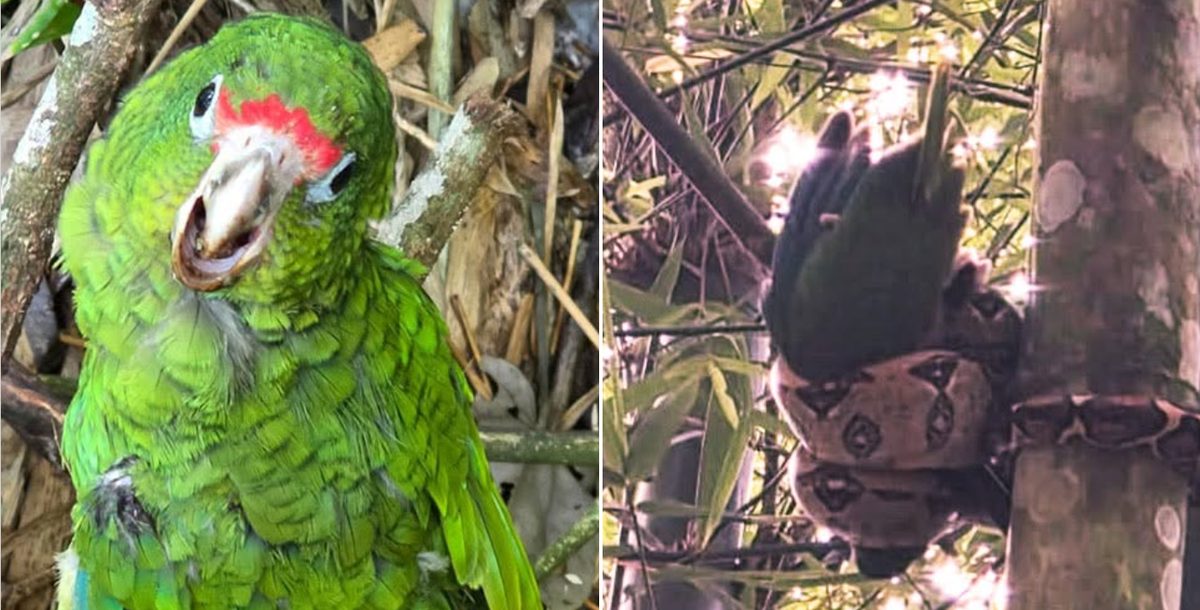
In a dramatic rescue deep within Puerto Rico's Maricao State Forest, a biologist from the U.S. Fish and Wildlife Service (USFWS) intervened to save a young Puerto Rican parrot from a predatory red-tailed boa. The incident, which occurred recently, underscores the precarious existence of the critically endangered Puerto Rican parrot and the pervasive threat posed by invasive species to the island's delicate ecosystem.
Key Details
- Location: Maricao State Forest, western Puerto Rico.
- Rescuer: Raúl Correa, U.S. Fish and Wildlife Service biologist.
- Victim: A juvenile Puerto Rican parrot (Amazona vittata).
- Predator: A red-tailed boa (Boa constrictor), an invasive species.
- Method of Rescue: Correa cut the bamboo stalk on which the snake had trapped the parrot, causing the boa to release its grip.
- Outcome: The parrot was observed by USFWS and, within a day, rejoined its flock, showing no apparent lingering injuries.
Background
The Puerto Rican parrot (Amazona vittata) is one of the most endangered parrot species in the world. Once abundant across the island, its population has been decimated by habitat loss, illegal pet trade, and predation. The red-tailed boa (Boa constrictor) is not native to Puerto Rico. Introduced in the 1990s, likely through the illegal exotic pet trade, these large constrictors have established a significant presence on the island. Lacking natural predators, they have proliferated rapidly, preying on native wildlife, including the vulnerable Puerto Rican parrot. This contrasts with Puerto Rico's native boa, Chilabothrus inornatus, which is smaller and poses less of a threat to the parrot population.
Impact Analysis
The rescue of this single young parrot, while a positive event, serves as a stark reminder of the constant pressure faced by this endangered species. Invasive red-tailed boas are a significant factor contributing to the decline of the Puerto Rican parrot. Their large size, reaching over 10 feet, and their predatory nature make them a formidable threat. A 2023 study highlighted that invasive boas not only prey on native wildlife but have also introduced viruses to native snake populations, further destabilizing the ecosystem. The incident demonstrates the direct and immediate danger these invasive predators pose to vulnerable native fauna.
“Experience has shown that island ecosystems are particularly vulnerable to snake invasions, and unfortunately Puerto Rico has no natural predators that can keep the numbers of these prolific snakes in check,” stated USGS Director Marcia McNutt. “Humans were responsible for introducing this scourge to the island, and are the only hope for mitigating the problem before it is too late for the native species.”
Broader Context
The challenge of managing invasive species is a global one, particularly acute in island environments like Puerto Rico. Islands often harbor unique and endemic species that have evolved without significant predation pressure, making them exceptionally vulnerable to introduced predators. The red-tailed boa invasion in Puerto Rico is a classic example of how human activities, such as the exotic pet trade, can have devastating ecological consequences. Similar situations have prompted drastic measures elsewhere; for instance, Florida has implemented an annual Python Hunt to control its invasive Burmese python population, offering prize money to hunters.
Future Outlook
Conservation efforts for the Puerto Rican parrot are ongoing, focusing on habitat restoration, captive breeding programs, and reintroduction initiatives. However, the presence of invasive predators like the red-tailed boa complicates these efforts. Effective management strategies for invasive species are crucial for the long-term survival of the Puerto Rican parrot and other native wildlife. This includes not only direct removal of invasive snakes but also addressing the root causes of their introduction and spread, such as stricter regulations on the exotic pet trade and public awareness campaigns. The success of conservation hinges on a multi-faceted approach that includes both protecting native species and actively managing invasive threats.
Conclusion
The rescue of the young Puerto Rican parrot from the jaws of an invasive boa is a small victory in a larger, ongoing battle for biodiversity. It highlights the critical work of conservationists on the ground and the persistent threats faced by endangered species. The incident serves as a potent symbol of the broader ecological crisis posed by invasive species, emphasizing the urgent need for continued vigilance, robust conservation strategies, and international cooperation to protect fragile island ecosystems.
Source: popsci.com