Insights into Dinosaur Behavior: Evidence of Mixed Species Herding Revealed by Track Discoveries
Insights into Dinosaur Behavior: Evidence of Mixed Species Herding Revealed by Track Discoveries
Introduction
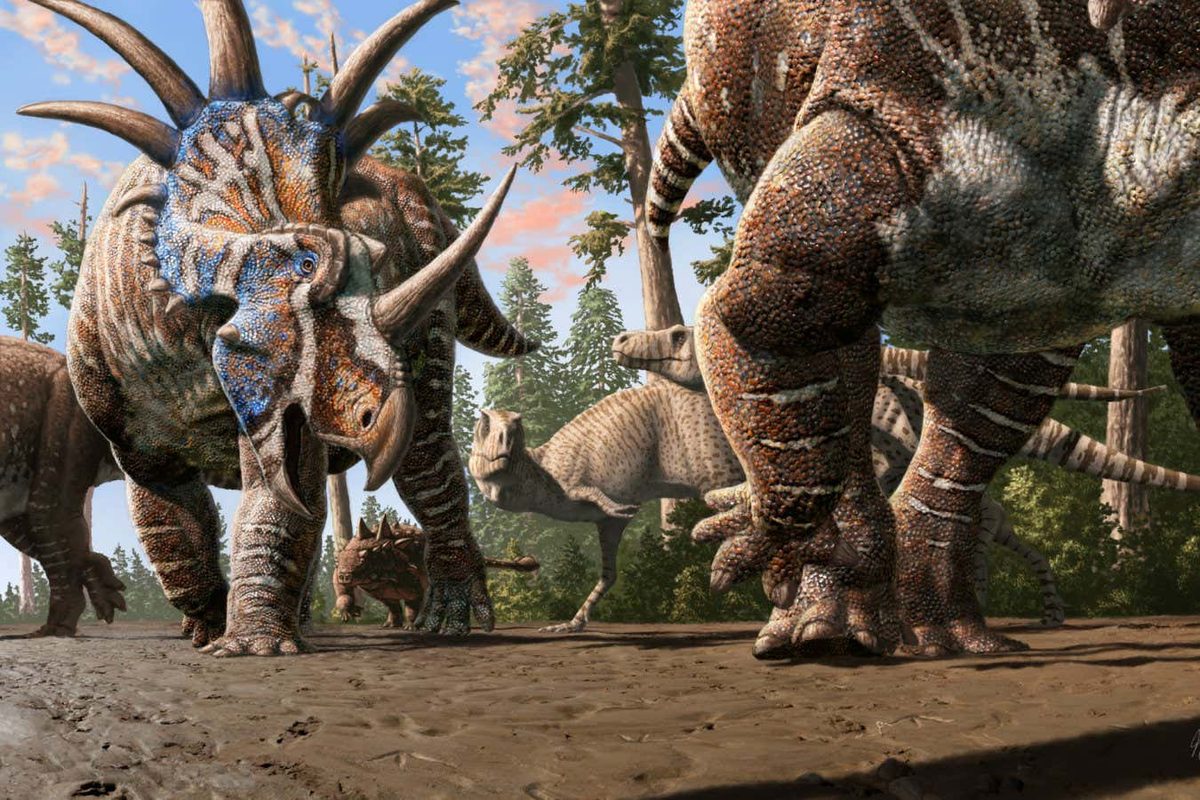
In a remarkable discovery that could reshape our understanding of dinosaur social structures, scientists have unearthed a unique set of fossilized tracks from the Late Cretaceous period in Canada. These findings indicate that different dinosaur species may have coexisted and traveled together, suggesting complex social behavior among these prehistoric creatures. The implication of such findings prompts both excitement and caution among paleontologists, as the evidence, while intriguing, remains inconclusive.
Key Details
- Location: The tracks were discovered in Alberta, Canada, a region known for its rich fossil beds and significant dinosaur discoveries.
- Species involved: Preliminary analysis suggests that the tracks may belong to various species, including theropods and hadrosaurs.
- Track characteristics: The overlapping nature of the footprints indicates simultaneous movement, suggesting a herd-like behavior.
- Research implications: This discovery could shift the current understanding of dinosaur social interactions, indicating more complex behaviors than previously thought.
- Further research needed: Experts emphasize the necessity for additional studies to confirm these findings and better understand the implications.
Background
The study of dinosaur tracks, known as ichnology, provides valuable insight into the behavior and ecology of these ancient animals. Fossilized footprints can reveal information about how dinosaurs interacted with their environment and with each other. In this case, the discovery in Alberta adds to a growing body of evidence suggesting that some dinosaur species may have exhibited social behaviors similar to those observed in modern-day animals.
The Late Cretaceous period, which lasted from approximately 100 to 66 million years ago, was a time of significant evolutionary advancements for dinosaurs. This era saw the emergence of diverse species, including the well-known Tyrannosaurus rex and the duck-billed hadrosaurs. The presence of multiple species in close proximity would not only provide resources but also enhance survival through collective defense mechanisms.
Analysis
The significance of these findings cannot be overstated. If multiple species did indeed move together, it would imply a level of social complexity that challenges previous assumptions about dinosaur behavior. While solitary or territorial behavior has often been attributed to many dinosaur species, evidence of herding could indicate that they engaged in cooperative behaviors for mutual benefit.
Furthermore, the implications extend beyond mere social interaction. Herding behavior, as observed in various modern-day species, can provide advantages in terms of foraging efficiency, predator avoidance, and even reproductive strategies. The potential for mixed-species herds could also suggest that dinosaurs were more adaptable and opportunistic than previously believed, adjusting their behaviors based on environmental conditions and social dynamics.
However, caution is warranted. Paleontologists urge that while the evidence is compelling, it remains preliminary. The overlapping tracks could be the result of various factors, including environmental conditions at the time of their formation. Thus, further investigation, including more extensive fossil examinations and comparative studies with contemporary species, is necessary to substantiate these claims.
Conclusion
The discovery of these dinosaur tracks in Canada opens a new chapter in the ongoing exploration of dinosaur behavior and social structures. As researchers delve deeper into the fossilized evidence, there is potential not only to understand how these magnificent creatures lived but also to unravel the complexities of their interactions. While the possibility of mixed-species herding is an exciting avenue of research, it serves as a reminder of the intricacies of interpreting ancient behaviors from the fossil record. Moving forward, the paleontological community will undoubtedly keep a close watch on these developments as they continue to shed light on the rich tapestry of life during the age of dinosaurs.