Reevaluating Skhūl I: Insights into One of the World’s Earliest Human Burials

Introduction
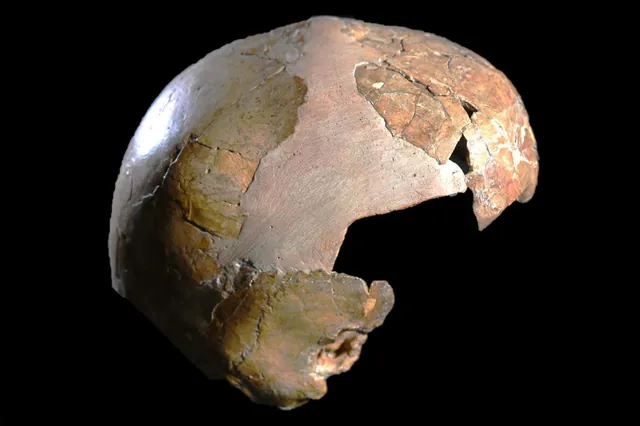
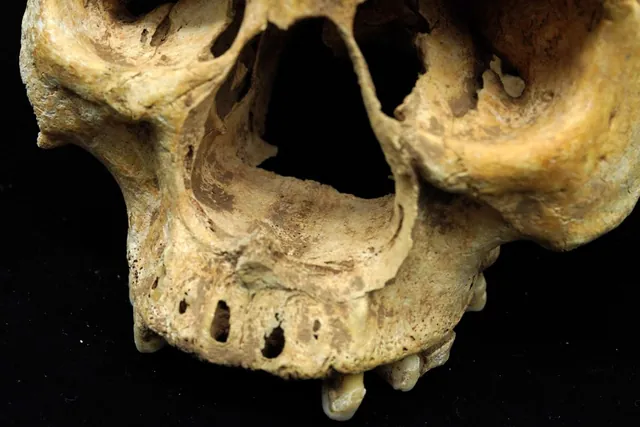
The discovery of the Skhūl I fossil in 1931 at Mugharat es-Skhūl, commonly called Skhūl Cave in northern Israel, marked a significant milestone in paleoanthropology. As one of the oldest intentional burials known to science, Skhūl I offers a rare glimpse into the mortuary practices and cognitive capacities of early humans. Originally unearthed nearly a century ago, the fossil has since been the subject of extensive scientific debate, particularly concerning its taxonomic classification and implications for human evolution.
Key Details
- Discovery and Location: Skhūl I was found in 1931 in Skhūl Cave, located on Mount Carmel, Israel.
- Age: Radiometric dating places the burial at approximately 140,000 years ago, situating it in the Middle Paleolithic era.
- Taxonomic Classification: Although originally debated, Skhūl I is now widely accepted as belonging to early Homo sapiens.
- Significance: It represents one of the earliest examples of intentional burial, suggesting complex social and cultural behaviors.
Background
The Skhūl Cave area has yielded a remarkable collection of prehistoric human remains that challenge earlier perspectives on human evolution and migration. During the early 20th century, paleoanthropologists debated whether Skhūl fossils reflected Neanderthal traits, Homo sapiens, or a transitional form. This discourse was fueled by the fossil’s combination of archaic and modern anatomical features.
Further excavations in the region, including nearby Qafzeh Cave, have revealed similar burial sites, reinforcing the notion that early modern humans practiced intentional burial well before the Upper Paleolithic period. These findings contribute to a broader understanding of the emergence of symbolic behavior and cultural complexity among early Homo sapiens populations in the Levant.
Analysis
The intentional nature of the Skhūl I burial implies cognitive and cultural sophistication in early humans that predates many other known archaeological sites. Burial practices are typically interpreted as evidence of symbolic thought, recognition of death, and possibly beliefs about an afterlife or social cohesion. This challenges the assumption that such behaviors emerged only with later modern humans.
From an evolutionary perspective, the Levant region served as a crucial corridor for human migration between Africa and Eurasia. The characterization of Skhūl I as Homo sapiens supports the hypothesis that modern humans dispersed into the Near East far earlier than previously thought, interacting with or replacing archaic human populations such as Neanderthals.
However, the fossil’s archaic traits also highlight the complex mosaic nature of human evolution, where gene flow and regional variation blurred strict species boundaries. This complexity has implications for how scientists classify ancient human remains and understand the processes that led to the emergence of anatomically modern humans.
Conclusion
The Skhūl I fossil remains a cornerstone in the study of early human history, providing tangible evidence of some of the earliest intentional burial practices. Its discovery and continuing analysis enrich our understanding of the cognitive and cultural development of Homo sapiens. As research methodologies evolve, Skhūl I continues to offer valuable insights into human ancestry, migration patterns, and the evolution of symbolic behavior, emphasizing the Levant as a vital region for unraveling the story of our species.