Ancient Chinese Skeleton Reveals First Physical Evidence of Punitive Nasal Amputation
Introduction
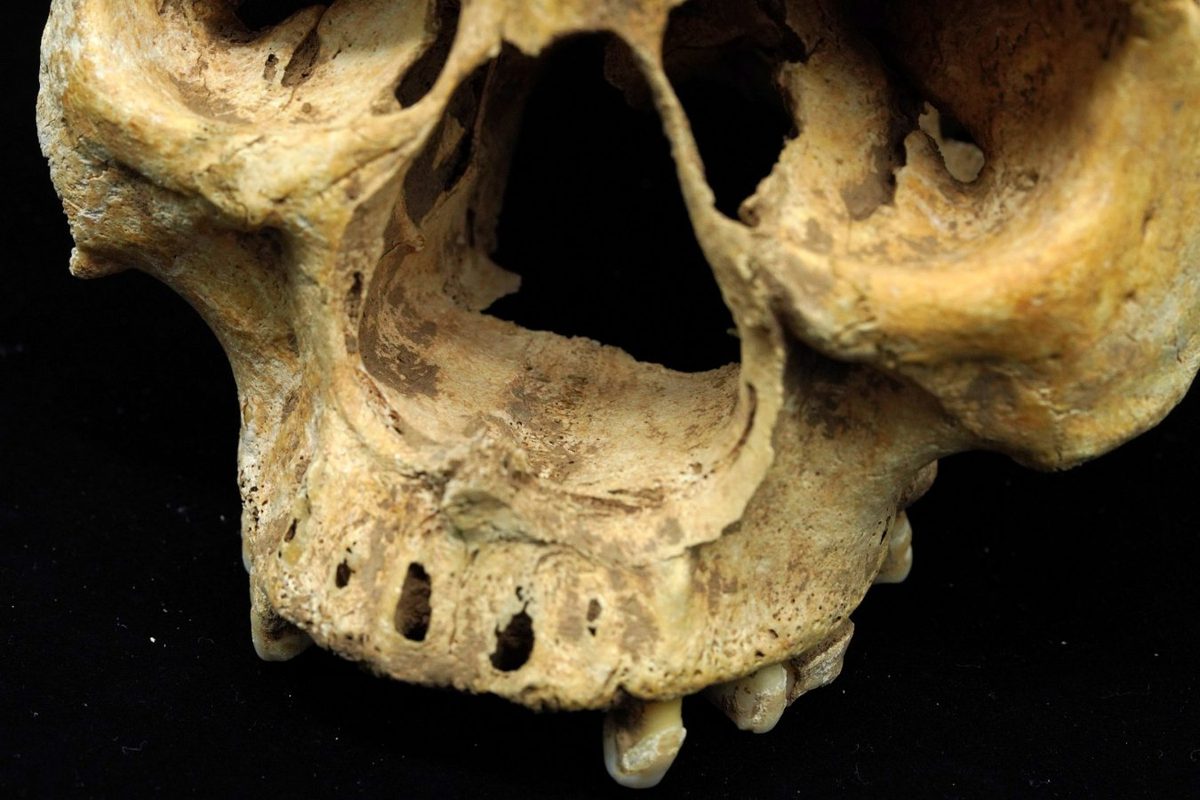
Archaeological findings in China have unearthed a remarkable and grim piece of history: the skeletal remains of a woman who lived approximately 700 years ago, bearing the unmistakable signs of a punitive nasal amputation. This discovery, detailed in the Journal of Archaeological Science: Reports, represents the first known physical evidence of this severe punishment, which was documented in ancient Chinese legal texts but had never before been corroborated by skeletal remains. The woman, who lived during the late Yuan and early Ming dynasties (roughly 1298-1404 AD), survived the brutal procedure for several years, suggesting a complex interplay of punishment, medical care, and social ostracization.
Key Details
- Discovery Site: A cemetery containing 299 tombs, uncovered in Henan province, China, during surveys for a trade school construction project in 2018.
- Remains Identification: The skeleton belongs to a woman aged 40-45 at the time of death, based on pelvic and skull features, and tooth wear.
- Dating: Radiocarbon dating of her femur places her death between 1298 and 1404 AD, aligning with the late Yuan and early Ming dynasties.
- Injury Evidence: CT scans revealed significant bone and tissue removal around and within the nasal cavity, with healed edges indicating survival for years post-amputation.
- Socioeconomic Status: Isotope analysis indicated a diet primarily of millet with little animal protein, suggesting a commoner's socioeconomic standing.
- Burial Anomaly: The woman was buried face down, a practice sometimes associated with punishment during the Yuan dynasty, possibly to conceal her disfigurement.
- Prosthetic Possibility: Bone spurs around the nasal opening suggest chronic inflammation or pressure from a potential prosthetic nose, implying an attempt to resume a normal life.
Background
Nasal amputation was listed as one of the “Five Punishments” in ancient Chinese legal codes, alongside decapitation, limb amputation, castration, and facial tattooing. Historical texts indicate that by the end of the Yuan dynasty (1279-1368 AD), this punishment was primarily reserved for the theft of high-value livestock or for repeat offenses involving less valuable animals. Despite thousands of documented cases in historical records, the lack of physical evidence had left scholars questioning the actual prevalence and application of this gruesome penalty. This new finding, however, provides a tangible link between historical accounts and archaeological reality.
Impact Analysis
The most striking aspect of this discovery is the confirmation that punitive nasal amputation was indeed practiced. The healed edges of the wound demonstrate that the woman survived the initial trauma, indicating that rudimentary medical care was provided to control bleeding and prevent immediate fatal infection. This suggests that even as a form of punishment, there were societal mechanisms in place to ensure survival, albeit with profound consequences. The potential use of a prosthetic nose further highlights the social importance of facial appearance and the individual's attempt to mitigate the severe disfigurement and its associated stigma.
“I suspect she lived a difficult life, facing stigma and social challenges,” says David Shaye at Harvard University, who wasn’t involved in the study. “Facial deformities can profoundly affect identity, social interaction and a person’s place within a community. In this sense, this archaeological finding connects very directly with challenges that people continue to face today.”
Broader Context
The burial position—face down—is particularly significant. While not definitively proven, it is often associated with punishment or shame during the Yuan dynasty. The researchers theorize this was a deliberate act to hide the woman's disfigurement, perhaps reflecting a discriminatory attitude or a desire to isolate her from her community even in death. This practice underscores the deep-seated social stigma attached to such punishments and the lasting impact on an individual's identity and social standing. The woman's diet, consistent with that of a commoner, further situates her within the lower socioeconomic strata, where such punishments might have been more frequently applied.
Future Outlook
This discovery opens avenues for future research into the application of ancient punishments. Archaeologists may now look for similar skeletal evidence in other sites dating to the relevant periods. Further analysis of isotopic data could potentially reveal more about her geographic origins and social mobility prior to her punishment. The study also prompts reflection on how societies have historically dealt with crime and punishment, and the enduring challenges of social reintegration and stigma for individuals who have faced severe penalties or visible disfigurements. While disease, accident, or self-mutilation were considered, the evidence strongly favors the punitive interpretation.
Conclusion
The skeleton of this ancient Chinese woman offers a rare and poignant glimpse into the harsh realities of punitive justice in imperial China. It validates historical accounts of nasal amputation as a punishment and reveals the complex realities of survival, potential medical intervention, and profound social stigma faced by those subjected to it. The finding serves as a stark reminder of the physical and psychological toll of ancient punishments and resonates with contemporary discussions about social justice, disability, and the enduring impact of disfigurement on individual lives.
Source: newscientist.com