The Crucial Role of Liquid Water in Sustaining Alien Life: New Insights from Planetary Science
The Crucial Role of Liquid Water in Sustaining Alien Life: New Insights from Planetary Science
Introduction
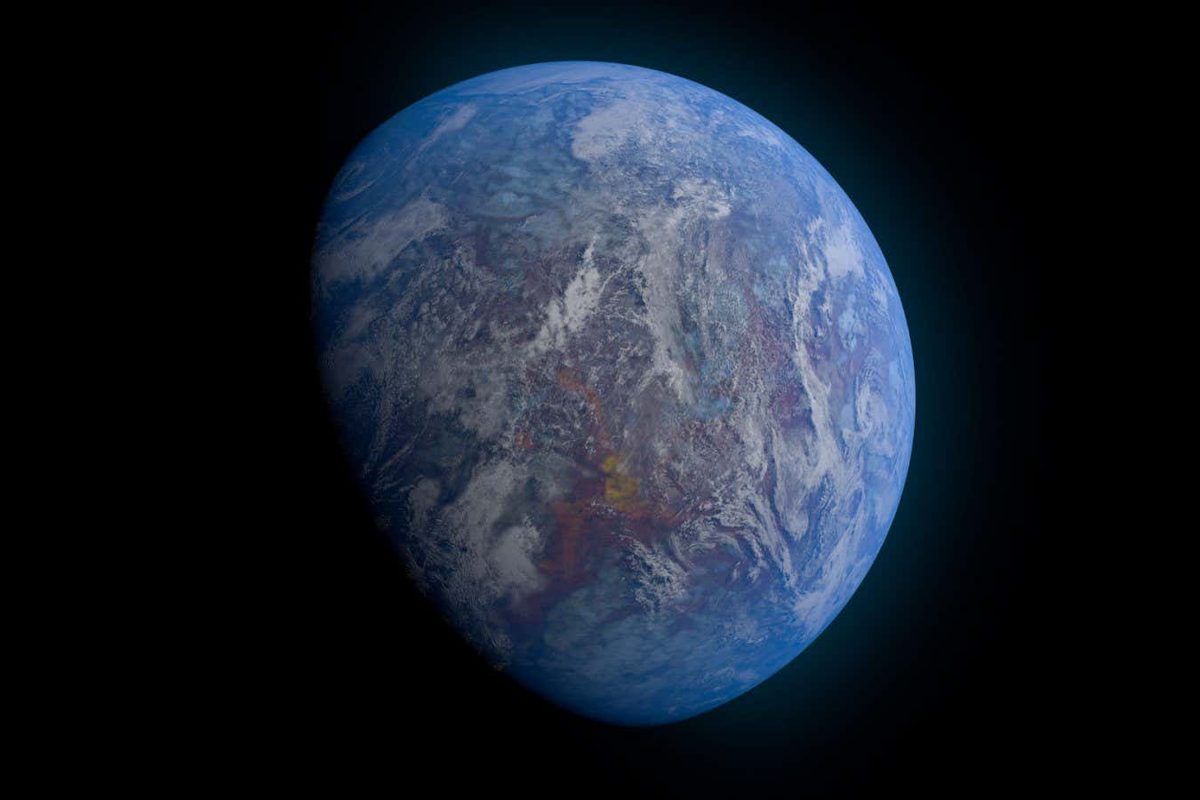
Water is often cited as the cornerstone of life as we know it, and rightly so. For decades, scientists searching for life beyond Earth have prioritized the presence of liquid water as a key indicator of habitability. Recent studies, however, suggest that water's importance extends far beyond its role as a solvent for biological processes. It also plays a critical part in maintaining a planet's atmospheric balance, which in turn regulates surface temperatures and creates conditions conducive to life.
Key Details
- Liquid water’s role in atmospheric regulation: Without sufficient surface water, planetary atmospheres can accumulate excessive carbon dioxide (CO2), leading to extreme greenhouse effects.
- CO2 accumulation and temperature rise: Elevated CO2 levels can drastically raise surface temperatures, often surpassing the threshold for known life forms to survive.
- Implications for exoplanet habitability: The presence of liquid water is crucial not just for life directly but for sustaining an atmosphere capable of long-term temperature regulation.
- Comparisons with Venus and Mars: Both planets offer insights into how lack or loss of surface water can lead to inhospitable climates despite having atmospheres.
Background
The search for extraterrestrial life has long focused on detecting planets within the "habitable zone," a region around a star where temperatures could allow liquid water to exist on a planet’s surface. However, simply being in this zone is not sufficient. Planetary atmospheres and surface conditions must also be suitable. Earth’s atmosphere, with its dynamic water cycle, plays a pivotal role in regulating climate by balancing greenhouse gases such as CO2.
Planets without enough liquid water lack this regulatory mechanism. On such worlds, CO2 released through volcanic activity or other geological processes can accumulate unchecked, causing runaway greenhouse effects. This leads to surface temperatures so high that water cannot remain liquid, further exacerbating the problem and creating a hostile environment for life as we know it.
Analysis
Understanding the interplay between water and atmospheric composition is vital when evaluating exoplanets for habitability. The presence of surface water not only supports potential biochemical reactions but also acts as a thermostat, helping to stabilize the climate over geological timescales. This insight reshapes how scientists assess extraterrestrial environments—highlighting that a planet’s ability to maintain liquid water over extended periods is a crucial factor.
For instance, Venus, often called Earth’s twin due to its similar size and composition, presents a cautionary tale. Despite evidence suggesting Venus may once have supported liquid water, it now has a dense CO2 atmosphere and surface temperatures exceeding 450°C, conditions inhospitable to life. Mars, on the other hand, shows signs of ancient rivers and lakes but lost much of its atmosphere and liquid water, rendering it cold and barren today.
These examples illustrate the delicate balance required to sustain habitable conditions and underscore why future missions to explore exoplanets must consider atmospheric composition alongside the mere presence of water. Detecting water vapor or surface oceans would be promising, but understanding a planet's ability to cycle greenhouse gases and maintain temperature stability is equally important.
Conclusion
Liquid water remains central to the quest to find life beyond Earth—not just as a habitat component but as a fundamental factor in planetary climate regulation. This expanded understanding emphasizes the need for comprehensive studies of exoplanet atmospheres and surface conditions to evaluate their true habitability. As technology advances, examining the complex relationship between water, atmospheric gases, and temperature stability will guide our search for potentially life-supporting worlds in the cosmos.