Ancient Hybrid Child Sheds Light on Early Human Interbreeding
Introduction
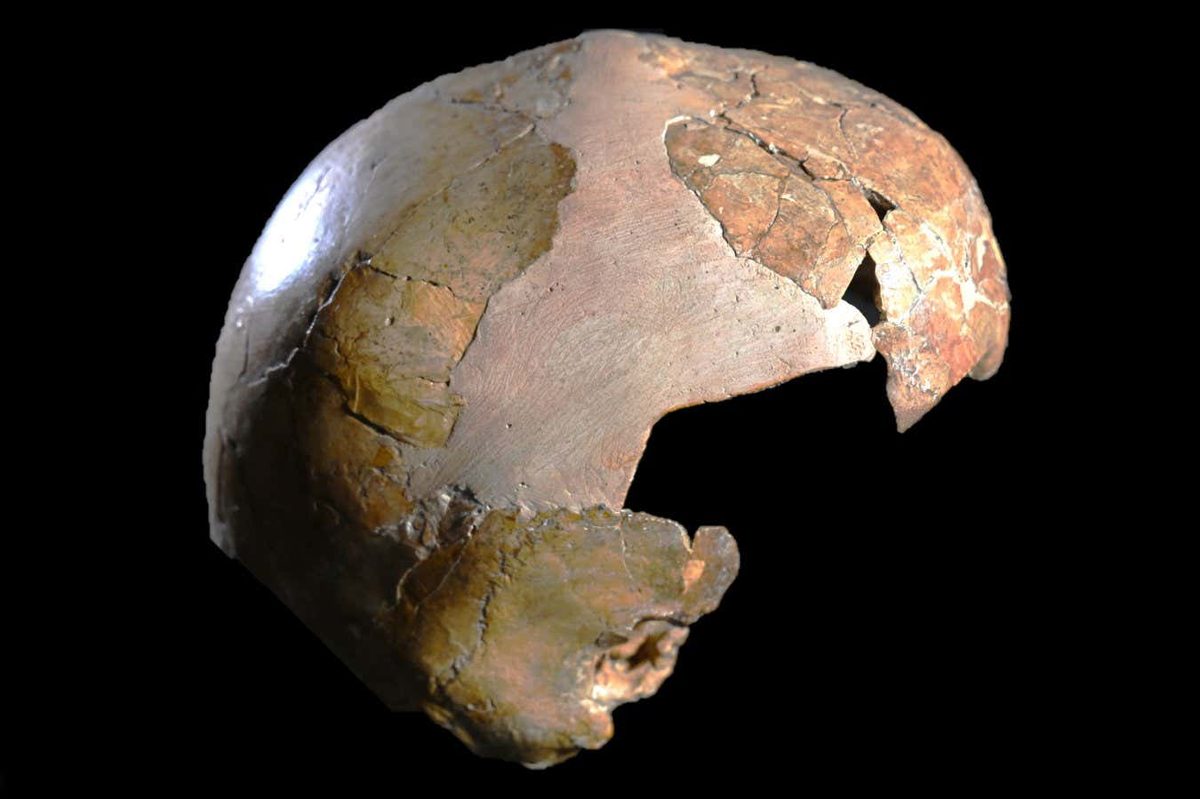
Recent paleoanthropological discoveries have uncovered a remarkable skull belonging to a five-year-old girl who lived approximately 140,000 years ago. This skull exhibits a unique blend of anatomical features traditionally associated with both Neanderthals and early Homo sapiens. The findings suggest that the girl’s parents may have come from different species, offering compelling evidence of interbreeding between Neanderthals and modern humans earlier than previously confirmed.
Key Details
- The skull was discovered in a well-studied archaeological site known for prehistoric human remains.
- Analysis revealed a combination of Neanderthal robust features and the more gracile traits typical of Homo sapiens.
- Dating techniques firmly place the specimen at around 140,000 years ago, during a period of significant human evolution and migration.
- Such hybrid characteristics support the hypothesis that interbreeding between Neanderthals and modern humans was not only possible but may have been relatively common.
Background
Neanderthals and Homo sapiens are two closely related species within the human evolutionary tree. Neanderthals primarily inhabited Europe and parts of western Asia, whereas early Homo sapiens evolved in Africa before migrating into Eurasia. For decades, scientific consensus held that these two species were largely separate, with limited or no interbreeding. However, advances in genetic analysis over the past 20 years have dramatically changed this perspective, revealing that most non-African modern humans carry between 1% and 4% Neanderthal DNA. Despite this genetic evidence, physical fossils demonstrating clear hybrid traits have been scarce.
The discovery of this young girl’s skull adds a critical piece to the puzzle by providing tangible anatomical evidence, not just genetic, of early cross-species unions. It offers a snapshot into a complex and dynamic prehistoric world where interaction, and even reproduction, between different human species was part of evolutionary history.
Analysis
From an anthropological standpoint, the hybrid skull challenges the traditional view of human evolution as a linear or strictly branching process. Instead, it supports a model of interwoven lineages with gene flow occurring between populations previously thought to be reproductively isolated. The girl’s mixed features include a broad nasal aperture and prominent brow ridges characteristic of Neanderthals, alongside a cranial shape and dental patterns more aligned with early Homo sapiens.
Such morphological blends are significant because they provide direct evidence of biological and social interactions between groups. This could imply that Neanderthals and modern humans shared territories, social structures, and even cultural practices, facilitating interbreeding. Furthermore, these hybrid individuals might have played roles in the genetic and cultural exchanges that shaped the evolutionary trajectory of our species.
Understanding when and how these interactions occurred helps clarify timelines for human migration and adaptation. It also raises questions about the survival and integration of hybrid populations, as well as their potential contributions to the genetic diversity of contemporary humans.
Conclusion
The discovery of this 140,000-year-old hybrid skull represents a milestone in paleoanthropology, offering a rare glimpse into the complex relationships between Neanderthals and Homo sapiens. It underscores the importance of interdisciplinary approaches combining fossil evidence with genetic analysis to reconstruct human evolutionary history accurately. As research continues, such findings will deepen our understanding of the origins of modern humans and reveal the rich tapestry of interactions that have shaped our species.