Poland Warns of Russian Drone Strikes as Carpathian Eight Summit Addresses Hybrid Threats
Introduction
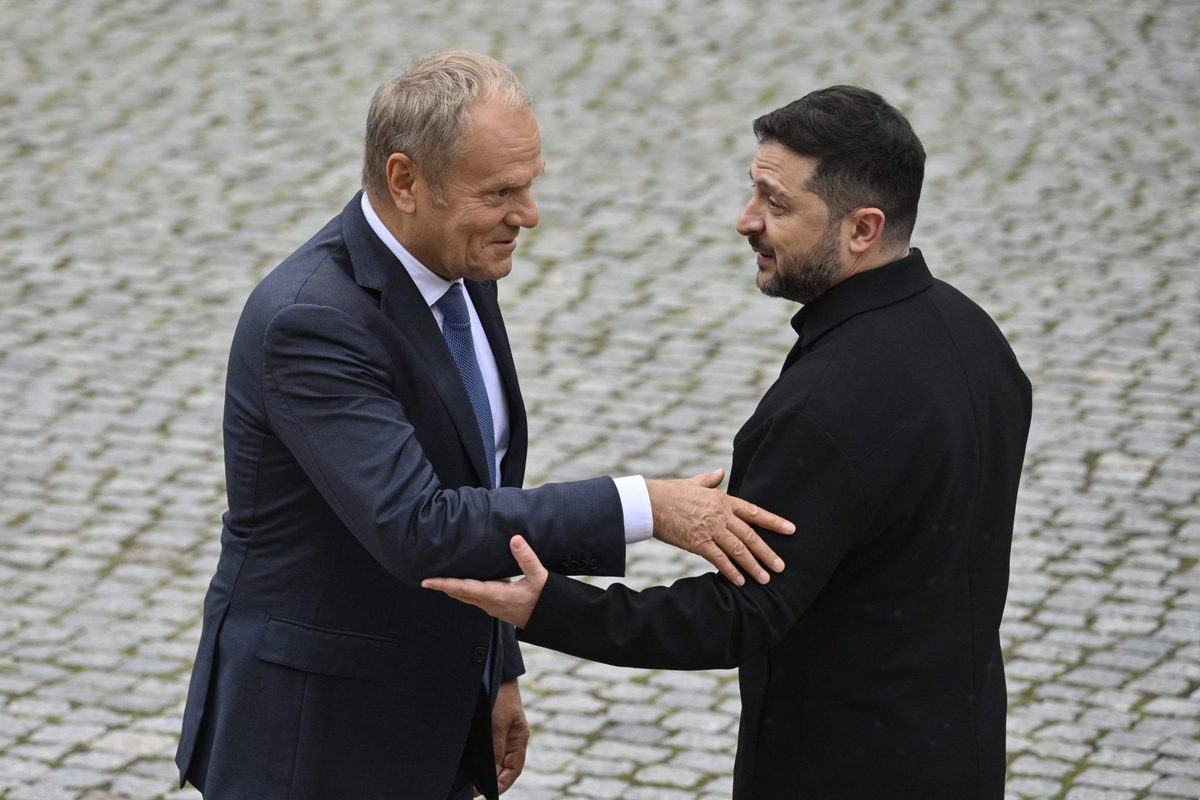
Ukrainian President Volodymyr Zelenskyy hosted a significant summit in western Ukraine, bringing together leaders from eight regional countries for the inaugural meeting of the so-called “Carpathian Eight.” The group includes Ukraine, Romania, Serbia, Slovakia, the Czech Republic, Austria, Hungary, and Poland, with the European Union also participating. The summit aimed to foster deeper cooperation on critical issues such as security, energy, and cross-border economic ties. However, the meeting occurred against a backdrop of escalating tensions, including recent Russian strikes on Ukrainian territory and heightened concerns over Russian hybrid warfare tactics targeting European nations.
Key Details
- The “Carpathian Eight” summit, held in Bukovel, western Ukraine, focused on strengthening regional ties and cooperation.
- Polish Prime Minister Donald Tusk issued a stark warning, alleging that Russia is planning drone or rocket strikes against European countries that support Ukraine, including Poland.
- The summit participants discussed countering hybrid threats, such as sabotage, cyberattacks, and disinformation campaigns, which many European nations have accused Russia of orchestrating.
- Ukraine received a €3.3 billion (approximately $3.8 billion) tranche from the EU as part of a financial support package to bolster its defense capabilities, including the purchase of missiles and drones.
- Recent Russian attacks on Ukraine resulted in casualties, including two deaths and two injuries in the Zhytomyr region and one death and six injuries in the Kharkiv region.
- Russia claimed its air defenses intercepted hundreds of Ukrainian drones, while also stating it conducted drone strikes on Ukrainian ports and logistics facilities.
Background
The Carpathian Eight summit convened amidst a complex geopolitical landscape. U.S.-mediated efforts to end Russia’s full-scale invasion of Ukraine have stalled, with territorial concessions remaining a major obstacle. Ukraine is also seeking robust security guarantees from its international partners. Concurrently, Russia held its first wartime parliamentary elections, widely seen as consolidating President Vladimir Putin’s political control. The participating nations in the summit represent a spectrum of support for Ukraine; while Poland and Romania are staunch allies, countries like Hungary, Serbia, and Slovakia have been hesitant to provide direct military aid. This divergence in approaches highlights the intricate dynamics within the region regarding the ongoing conflict.
Impact Analysis
Prime Minister Tusk’s warning about potential Russian strikes signifies a significant escalation in the perceived threat landscape for Europe. If realized, such attacks would represent a direct challenge to NATO and EU member states, potentially forcing a more unified and forceful response. The EU’s increasing focus on developing a NATO-like mechanism to counter hybrid threats, as proposed by European Commission President Ursula von der Leyen, underscores the growing urgency. The recent accusations from Poland, Germany, and Denmark regarding Russian involvement in sabotage and incursions further validate these concerns. The substantial EU financial aid to Ukraine, while crucial for its defense, also underscores the continued reliance on external support and the immense financial strain the war imposes on Kyiv. Russia’s retaliatory rhetoric, particularly regarding the seizure of its commercial vessels and the potential targeting of British military facilities in Ukraine, adds another layer of volatility to the situation.
Broader Context
The Carpathian Eight summit and the accompanying warnings occur within a broader context of a shifting global security order. Russia’s actions in Ukraine have prompted a re-evaluation of defense strategies across Europe, leading to increased military spending and a strengthening of alliances like NATO. The concept of hybrid warfare, encompassing a range of non-military tactics alongside conventional military actions, is becoming increasingly prominent. Russia’s denial of aggressive intentions towards Europe, while simultaneously issuing warnings about retaliation for Western actions such as asset seizures, reflects a strategy of deterrence and information warfare. The ongoing debate about security guarantees for Ukraine and the challenges in achieving a lasting peace settlement highlight the deep-seated mistrust and the complex diplomatic hurdles that remain.
Future Outlook
The Carpathian Eight initiative, if successful, could evolve into a significant regional security and economic bloc, potentially influencing broader European security architecture. However, its effectiveness will depend on the ability of member states to bridge their differing stances on the Ukraine conflict and present a united front against external threats. The increased focus on hybrid warfare necessitates a proactive and adaptive approach from European nations, requiring enhanced intelligence sharing, cyber defenses, and coordinated responses to provocations. The ongoing financial and military support for Ukraine will remain critical, but the long-term sustainability of this aid, coupled with the potential for direct Russian aggression against European soil, presents a challenging outlook. The diplomatic channels, though strained, will remain vital for de-escalation and the eventual pursuit of a stable peace.
Conclusion
The Carpathian Eight summit, while aimed at fostering regional cooperation, has been overshadowed by grave warnings of potential Russian aggression against supporting European nations. The convergence of escalating hybrid threats, direct military strikes on Ukraine, and Russia’s assertive rhetoric creates a volatile environment. The summit’s success will be measured not only by its ability to strengthen regional ties but also by its contribution to a cohesive European response to the multifaceted challenges posed by Russia’s ongoing actions. The coming months will be critical in determining whether diplomatic efforts can mitigate the risks of further escalation and whether the Carpathian Eight can indeed forge a stronger, more secure future for its members.
Source: fortune.com