Middle East Tensions Escalate: Iran Vows Harsher Retaliation, Israel Strikes Lebanon, US Denies Iran Claims
Introduction
The Middle East is once again a focal point of escalating geopolitical tensions, with a series of recent events highlighting the volatile nature of the region. In a significant development, Iran’s chief negotiator has issued a stark warning of intensified retaliation against the United States, signaling a potential shift in Tehran’s response strategy. This comes in the wake of U.S. military actions targeting Iranian oil tankers, which the U.S. states were in response to earlier Iranian missile launches at U.S. warships. Adding to the complexity, the U.S. military has vehemently denied Iran’s assertion of striking an American military vessel in the Strait of Hormuz, labeling the claim as a “total lie.” Concurrently, Israeli airstrikes in southern Lebanon have resulted in casualties and the destruction of a hospital, further inflaming regional animosities.
Key Details
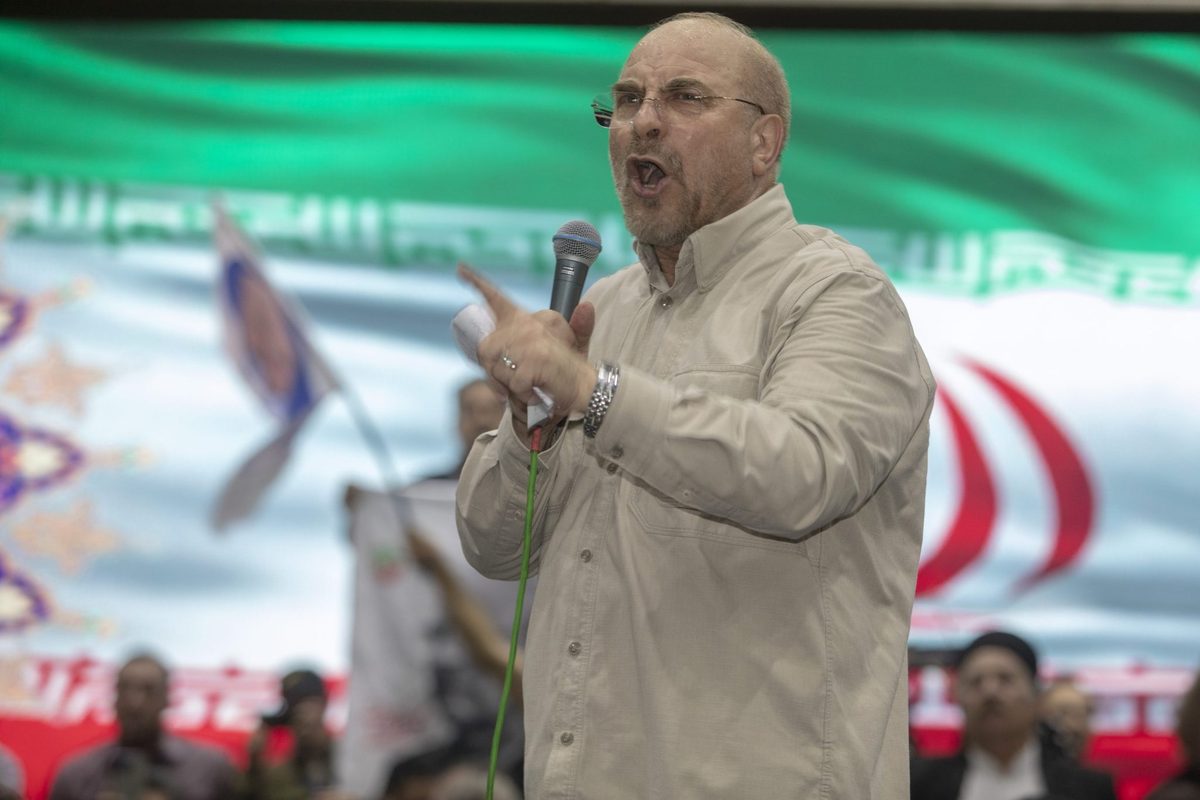
- Iran’s Retaliation Warning: Mohammad Bagher Qalibaf, Iran’s parliament speaker and chief negotiator, declared that the era of “proportionate responses” is over, promising that future Iranian retaliation will be “faster, heavier and more painful.”
- U.S. Denies Iranian Claim: The U.S. Central Command spokesperson, Capt. Tim Hawkins, dismissed Iran’s claim of hitting a U.S. unmanned vessel in the Strait of Hormuz as a “total lie.”
- U.S. Strikes Iranian Tankers: The U.S. military previously struck Iranian oil tankers in retaliation for Iran’s ballistic missile attacks on U.S. Navy warships.
- Lebanon Casualties: Israeli strikes in southern Lebanon killed at least four people and destroyed a hospital in Arabsalim and Nabatiyeh. At least 20 others were wounded, including children and women.
- Hezbollah Conflict: The Israeli military stated its strikes in Lebanon were a response to a Hezbollah drone attack and that the group allegedly used the hospital as a command center.
- Yemen Conflict Update: Yemen’s internationally recognized government forces reported recapturing territory in Hodeida and Taiz provinces from Iran-backed Houthi rebels.
- Gaza Recoveries: Over 110 Palestinians, including at least 70 children, were recovered from rubble in Gaza City following Israeli strikes, with mass funerals being held.
- Gaza Evacuation Condemnation: Several Muslim nations, including Egypt, Saudi Arabia, and Jordan, condemned Israeli proposals to encourage Palestinian migration from Gaza, deeming them violations of international law.
- Israeli Travel Advisory: Israel issued a warning to its citizens against traveling to Muslim nations during the upcoming Jewish High Holiday season and advised caution abroad.
Background
The current escalations are situated within a broader context of protracted conflict and fragile ceasefires in the Middle East. The exchange of attacks between Iran and the U.S. resumed after approximately a month of relative quiet. These events trace back to February 28th, when U.S. and Israeli forces initiated attacks on Iran. While a ceasefire agreement was announced in June, intermittent fighting has persisted, with both sides aiming to exert military and economic pressure amidst collapsed negotiations. The conflict between Israel and Hezbollah, though subdued in much of Lebanon since a ceasefire over two months ago, continues with low-level skirmishes and Israeli retaliatory strikes. In Yemen, the civil war sees government forces clashing with Iran-backed Houthi rebels, with recent territorial shifts reported. The ongoing conflict in Gaza, which has resulted in a significant Palestinian death toll, also continues to draw international concern, particularly regarding potential displacement plans.
Impact Analysis
Iran’s declaration of a new phase of retaliation signifies a potentially dangerous escalation, moving away from calibrated responses towards more direct and forceful confrontations. This could lead to a broader regional conflict, drawing in more actors and increasing the risk of miscalculation. The U.S. denial of Iran’s claim regarding the Strait of Hormuz incident underscores the deep mistrust and information warfare prevalent in the region. Meanwhile, the Israeli strikes in Lebanon, resulting in civilian casualties and the destruction of infrastructure, not only violate international humanitarian law but also risk provoking further retaliation from Hezbollah, potentially reigniting a wider conflict along the Israel-Lebanon border. The recovery of bodies in Gaza and the ongoing humanitarian crisis there continue to fuel international condemnation of Israeli actions and highlight the immense human cost of the conflict. The international outcry against potential Palestinian displacement from Gaza adds another layer of diplomatic complexity, with significant implications for regional stability and the prospects for a two-state solution.
Broader Context
These events are occurring against a backdrop of complex regional geopolitics, including the ongoing nuclear negotiations with Iran, proxy conflicts across the Middle East, and shifting alliances. The U.S. involvement, particularly its support for Israel and its actions against Iran, places it at the center of these tensions. The role of Iran-backed groups like Hezbollah and the Houthis highlights the network of influence Tehran wields, which directly impacts regional security dynamics. The international community, particularly Western nations and Arab states, faces the challenge of de-escalating conflicts while addressing humanitarian crises and pursuing diplomatic solutions. The recent statements from Muslim nations condemning potential Palestinian displacement underscore a growing unified stance against actions perceived as undermining Palestinian rights and the possibility of an independent Palestinian state.
Future Outlook
The immediate future appears fraught with uncertainty. Iran’s explicit threat of heavier retaliation suggests an increased likelihood of direct confrontations with U.S. forces or its allies in the region. The ongoing skirmishes between Israel and Hezbollah could escalate, particularly if civilian infrastructure continues to be targeted. The humanitarian situation in Gaza remains dire, and any forced displacement would likely trigger widespread international condemnation and potentially further destabilize the region. Diplomatic efforts to de-escalate tensions and find lasting political solutions appear increasingly challenging amidst the cycle of violence and recrimination. The effectiveness of international pressure on all parties involved will be crucial in determining whether the region can avert a wider conflagration.
Conclusion
The Middle East is navigating a critical juncture, marked by Iran’s vow of intensified retaliation, continued Israeli military actions in Lebanon, and the U.S. refuting Iranian claims. These events, coupled with the ongoing humanitarian crisis in Gaza and regional diplomatic tensions, paint a grim picture of escalating conflict. The rhetoric from Iranian officials, combined with the tangible impacts of strikes in Lebanon and the ongoing war in Yemen and Gaza, underscores the urgent need for de-escalation and robust diplomatic engagement to prevent further loss of life and widespread instability across the region.
Source: fortune.com