Growing Trend: Baby Boomers and College Students Sharing Campuses Across America
Introduction
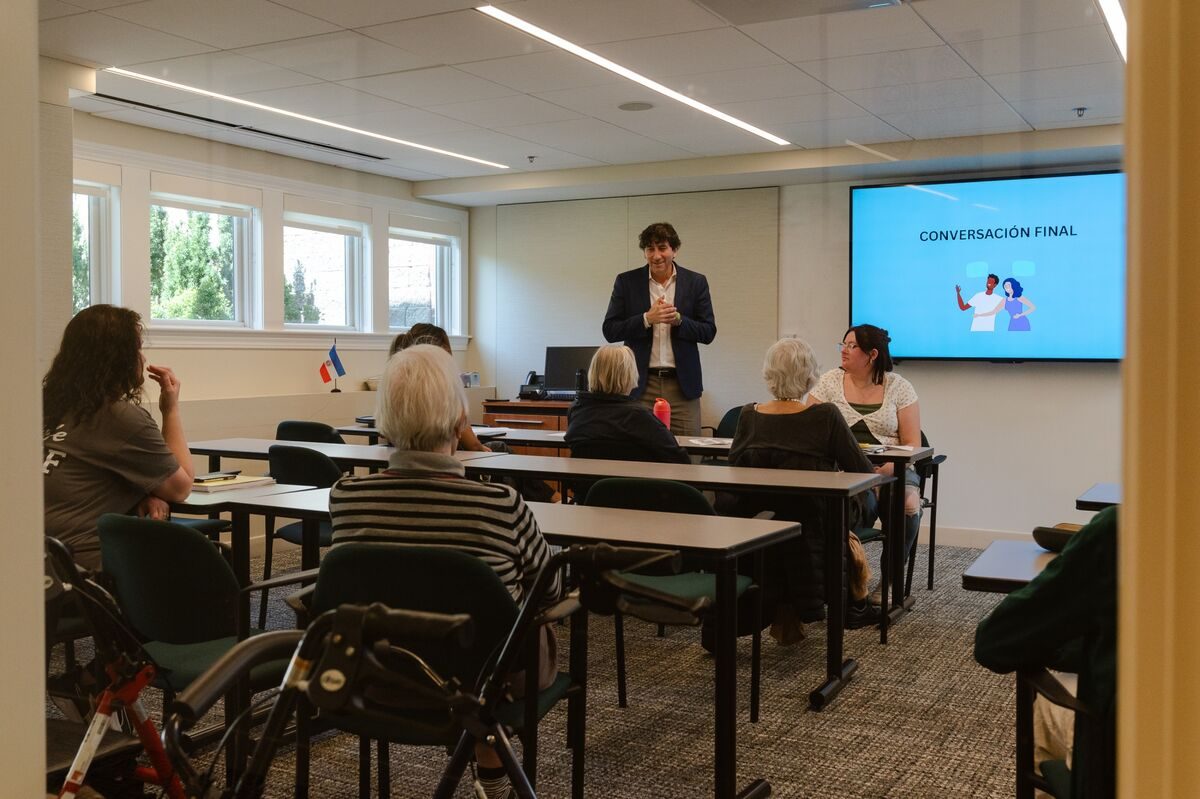
Across the United States, an unconventional phenomenon is taking root on college campuses where two very different generations—retired baby boomers and young college students—are living side by side. This integration stems from shifting demographic trends and economic realities that challenge traditional campus life and housing models. As student enrollment numbers decline nationally and financial pressures on educational institutions increase, colleges are exploring innovative solutions, including creating intergenerational living communities. These efforts seek not only to maximize facility use but also to encourage meaningful connections across age groups.
Key Details
- Many US colleges face shrinking student bodies due to demographic shifts and rising tuition costs.
- Financial strains have forced institutions to reconsider the use of dormitories and campus housing.
- Intergenerational communities are emerging where baby boomers rent campus apartments or senior living facilities are integrated near or on college grounds.
- This arrangement benefits seniors through social engagement and offers students mentorship and broader life perspectives.
- Programs fostering interaction between the generations include joint classes, volunteering opportunities, and shared community events.
Background
The United States is experiencing a demographic transition marked by an aging population and a decrease in the traditional college-age cohort. The baby boomer generation, born between 1946 and 1964, is now entering retirement age and seeking new living arrangements that promote active, socially connected lifestyles. Meanwhile, colleges are grappling with fewer incoming students; for example, the National Student Clearinghouse Research Center reported multi-year declines in college enrollments.
These trends have prompted some universities and senior housing developers to collaborate, creating spaces where elderly residents live in proximity to students. The model draws on the benefits of intergenerational contact, which research has linked to improved mental health and reduced social isolation among older adults. Additionally, seniors can serve as informal mentors, enriching students’ educational experiences by sharing life lessons and professional insights.
Analysis
This intergenerational living trend reflects broader societal shifts and addresses several challenges simultaneously. From an institutional perspective, colleges can better utilize existing infrastructure, stabilizing revenues by leasing units to retirees. For seniors, these communities offer a sense of purpose and connection often lacking in traditional retirement settings. Students gain exposure to diverse perspectives and support networks beyond their peers.
However, such arrangements require careful planning and consideration of residents’ needs. Differences in lifestyle, noise tolerance, and schedules must be managed to create harmonious environments. Educational programs that encourage regular interaction are key to maximizing benefits. Furthermore, the success of these communities depends on fostering mutual respect and understanding between generations.
Experts suggest that as the US population continues to age and higher education adapts to changing demographics, intergenerational living could become a more widespread solution. It challenges age-segregated norms in housing and education, potentially paving the way for more inclusive and resilient communities.
Conclusion
The emergence of baby boomers living alongside college students offers a creative response to demographic and economic challenges facing American higher education and senior living. By bridging generational divides, these integrated communities promote social cohesion, enrich educational experiences, and provide seniors with active, engaged lifestyles. As the trend expands, it may redefine traditional notions of campus life and retirement, illustrating how collaboration across age groups can address contemporary societal needs.