Russian Precious Metals Exports to China Surge Amid Soaring Gold Prices
Russian Precious Metals Exports to China Surge Amid Soaring Gold Prices
Introduction
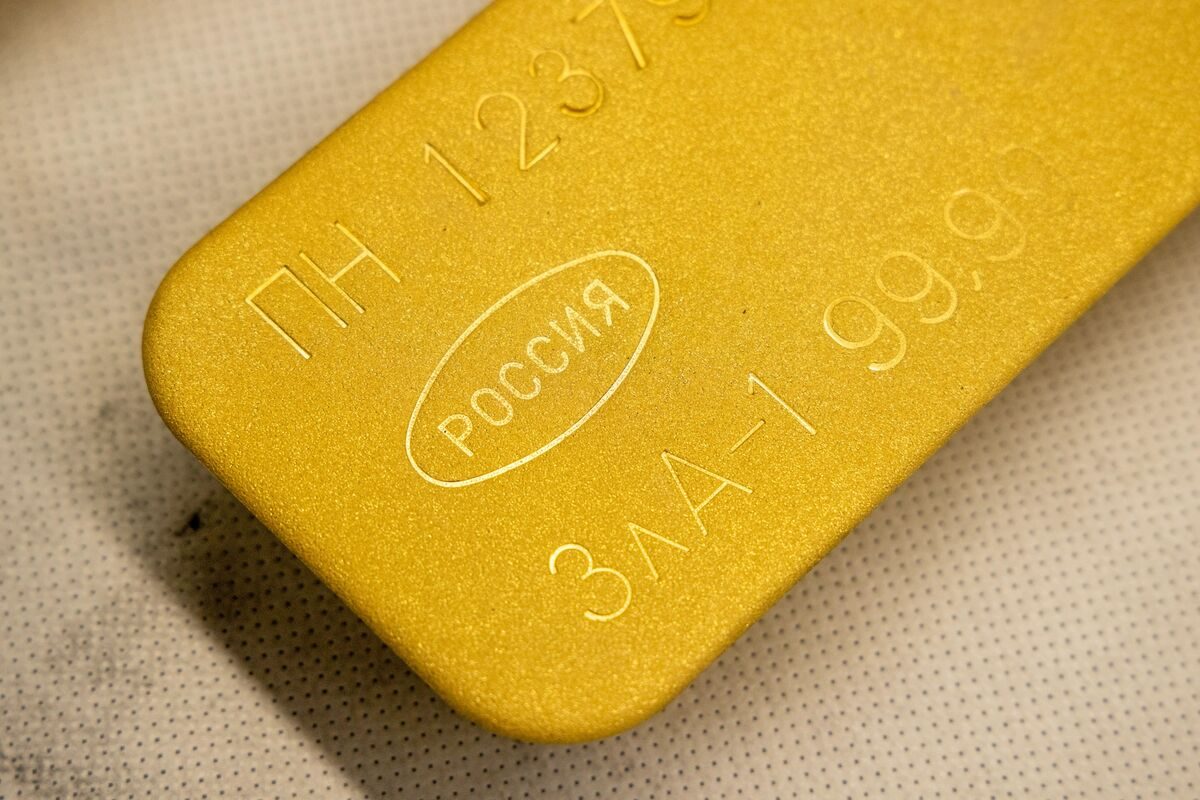
In the first half of 2024, Russia's exports of precious metals to China experienced a remarkable surge, nearly doubling compared to previous periods and exceeding the $1 billion mark. This significant increase reflects not only the sustained rise in global gold prices but also the evolving economic relations between the two countries in the context of shifting geopolitical landscapes and international sanctions affecting Russia.
Key Details
- Russian precious metals exports to China reached over $1 billion in H1 2024.
- The volume of precious metals exports nearly doubled compared to the previous year.
- Record-high gold prices contributed substantially to the increase in export revenue.
- China remains Russia’s largest single destination for precious metals exports.
- Broader Sino-Russian trade relations have strengthened amid Western sanctions on Russia.
Background
Russia is one of the world’s leading producers of precious metals, including gold, platinum, and palladium. The country’s mining sector has long been a critical source of export revenues. However, since the onset of Western sanctions following geopolitical tensions, particularly after Russia's military actions in Ukraine, Moscow has sought to shift its trade focus towards Eastern markets, chiefly China.
China, the world’s largest gold consumer and importer, has been steadily increasing its demand for precious metals, both for industrial uses and as part of its strategic reserves. The recent spike in global gold prices, influenced by economic uncertainty and inflationary pressures worldwide, has incentivized increased trade activity, benefitting Russia’s precious metals sector.
Analysis
The near doubling of Russian precious metals exports to China in the first half of 2024 can be attributed to several interrelated factors. Firstly, the global price of gold reached record highs due to a combination of inflation, geopolitical uncertainty, and cautious investor sentiment. Gold is often viewed as a safe haven asset during times of economic instability, which has driven demand in key markets like China.
Secondly, the economic and political realignment between Russia and China has deepened in recent years, particularly following the imposition of Western sanctions on Russia. With limited access to Western financial systems and markets, Russia has intensified its trade with China, leveraging existing frameworks such as the Eurasian Economic Union and bilateral agreements to facilitate commodity exports.
Moreover, China's strategic interest in securing stable supplies of precious metals aligns with its broader economic goals. The nation's focus on increasing its gold reserves and securing critical raw materials for high-tech industries has led to a surge in imports from reliable partners like Russia.
This shift also reflects a broader trend in global trade patterns, where countries affected by sanctions or geopolitical isolation increasingly turn to alternative markets. For Russia, China offers a vast and growing market with robust demand and fewer political complications compared to Western counterparts.
Conclusion
The impressive growth in Russian precious metals exports to China underscores the evolving economic partnership between the two countries amid global uncertainties. While record gold prices have directly boosted export revenues, the underlying political and economic realignments play a crucial role in shaping trade flows. Observers will closely monitor how these dynamics develop, especially as global economic conditions remain volatile and geopolitical tensions persist.
In the longer term, the deepening trade relationship between Russia and China in strategic sectors such as precious metals may signal a reconfiguration of global commodity markets and could have significant implications for international economic policies and alliances.