UK Flight Disruptions: Understanding Passenger Rights Amidst Cancellations and Delays
Introduction
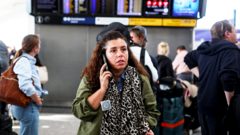
Recent disruptions at UK airports, stemming from air traffic control issues, have once again highlighted the complexities passengers face when flights are cancelled or delayed. This situation, the second major disruption in a matter of weeks, leaves many travellers wondering about their entitlements. Understanding passenger rights under UK law is crucial, as these regulations provide a safety net, though they have limitations, particularly when disruptions are outside an airline's control.
Key Details
- Refunds and Rebooking: If your flight is cancelled, under UK law, you have the right to choose between a full refund for the unused portion of your ticket or to be rebooked on an alternative flight at no extra cost. This applies regardless of how far in advance the cancellation is made.
- Alternative Transport: If another airline offers a significantly sooner flight to your destination, or if other suitable modes of transport are available, your airline must book you on those instead.
- Assistance During Delays/Cancellations: Airlines are obligated to provide reasonable care, including meals and drinks (often via vouchers), communication facilities (reimbursement for calls), and overnight accommodation with transport to and from if an overnight stay is necessary.
- Delayed Flights: For delays exceeding two hours (short-haul), three hours (medium-haul), or four hours (long-haul), passengers are entitled to the same assistance as for cancellations. If delayed by over five hours and no longer wishing to travel, a full refund is possible.
- Package Holidays: For package holidays booked with ABTA members, flight cancellations typically entitle passengers to a suitable alternative flight or a full refund.
- Compensation Limitations: Extra compensation is generally not payable for disruptions caused by "extraordinary circumstances" such as air traffic control problems, adverse weather, or strikes. Compensation is typically applicable only when the disruption is deemed the airline's fault.
- Compensation Amounts: If eligible for compensation due to airline fault and cancelled with less than two weeks' notice, amounts vary by distance: up to £220 (under 1,500km), £350 (1,500-3,500km), or £520 (over 3,500km) per person.
- Loss of Earnings: Airlines and most travel insurance policies do not cover loss of earnings due to delays. Passengers are advised to inform their employers and arrange leave accordingly.
Background
The recent spate of flight cancellations and delays, particularly those linked to air traffic control system issues in Scotland, Northern Ireland, and northern England, has caused significant inconvenience for travellers. These events underscore the fragility of air travel infrastructure and the cascading effects that technical or operational failures can have. While airlines are often the visible face of travel disruption, the underlying causes can range from technical glitches and staff shortages to external factors like air traffic management. This recent incident serves as a stark reminder that even with robust airline policies, unforeseen external events can severely impact travel plans.
Impact Analysis
The immediate impact on passengers includes missed connections, unexpected overnight stays, and significant stress. While UK law mandates that airlines provide care and rebooking options, the distinction between airline fault and external factors is critical for claiming additional financial compensation. In cases like the air traffic control issues, where the disruption is not the airline's responsibility, passengers are entitled to assistance but not necessarily extra compensation beyond refunds or rebooking. This can leave travellers out-of-pocket for non-refundable expenses like pre-booked accommodation or tours, which may only be recoverable through travel insurance, subject to policy terms.
Broader Context
The rights outlined apply primarily to flights operating under UK law. This generally covers flights departing from the UK, flights arriving in the UK on a UK or EU airline, and flights arriving in the EU on a UK airline. For other inbound international flights, passengers must refer to their booking's terms and conditions and potentially the regulations of the departure or arrival country. The situation also highlights the importance of travel insurance. Policies vary widely, and understanding coverage for delays, cancellations, and consequential losses is paramount before purchasing and certainly before experiencing a disruption. Government travel advice should also be monitored, as adherence to it can sometimes influence insurance claims.
Future Outlook
As air travel continues to recover and expand post-pandemic, the potential for such disruptions remains. Investments in air traffic control technology and contingency planning are crucial for mitigating future issues. For passengers, staying informed about their rights and ensuring adequate travel insurance are the most effective ways to navigate the uncertainties of air travel. Airlines will likely continue to face scrutiny over their handling of disruptions, balancing regulatory obligations with operational realities. The distinction between controllable and uncontrollable events will remain a key factor in determining passenger compensation.
Conclusion
Recent flight cancellations and delays, such as those caused by air traffic control problems, necessitate a clear understanding of passenger rights. While UK law provides essential protections like refunds, rebooking, and care during disruptions, it's vital to recognise that compensation for airline fault does not extend to external issues. Passengers affected by such events should meticulously document their expenses, keep all receipts, and consult their travel insurance policies for potential claims beyond the airline's direct obligations. Proactive planning and awareness remain the best defence against the financial and logistical challenges posed by flight disruptions.
Source: bbc.co.uk