‘Off the Charts’ El Niño Shatters Records, Exceeding 1997 Superstorm Levels
Introduction
An exceptionally strong El Niño event is currently developing in the Pacific Ocean, with some leading climate scientists asserting it has already surpassed previous records, even before reaching its anticipated peak intensity. This phenomenon, characterized by unusual warming of the tropical Pacific Ocean's surface waters, is being described as ‘off the charts’ by experts, raising concerns about its potential global impact.
Key Details
- Record-Breaking Warmth: Renowned climate scientist James Hansen of Columbia University stated that the El Niño’s heat anomaly in the upper 300 meters of the Equatorial Pacific Ocean has already exceeded that of the 1997-98 super El Niño.
- Niño3.4 Index Discrepancy: While the common Niño3.4 index (measuring sea surface temperature) has not yet surpassed all previous peaks according to the UK’s Met Office, daily values have reached record highs for this time of year.
- Expert Consensus: Despite minor disagreements on specific metrics, a consensus is emerging that this El Niño is exceptionally strong and likely to become the most powerful on record.
- Historical Precedent: Some scientists suggest this event could rival or even exceed the devastating 1877-1878 El Niño, which caused widespread famines and an estimated 50 million deaths.
Background
El Niño is a natural climate pattern that occurs when warm surface waters in the tropical Pacific Ocean spread eastward along the equator. This warming disrupts atmospheric circulation patterns, leading to significant shifts in weather across the globe. The strength of an El Niño is measured using various metrics, including the temperature anomaly in specific regions of the Pacific Ocean. While the Niño3.4 index is a commonly used measure, focusing on sea surface temperature anomalies, other metrics, such as heat content in deeper ocean layers, can provide an earlier indication of an event’s intensity.
Impact Analysis
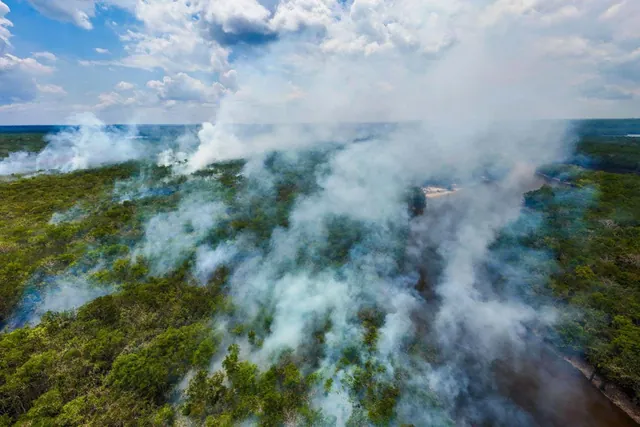
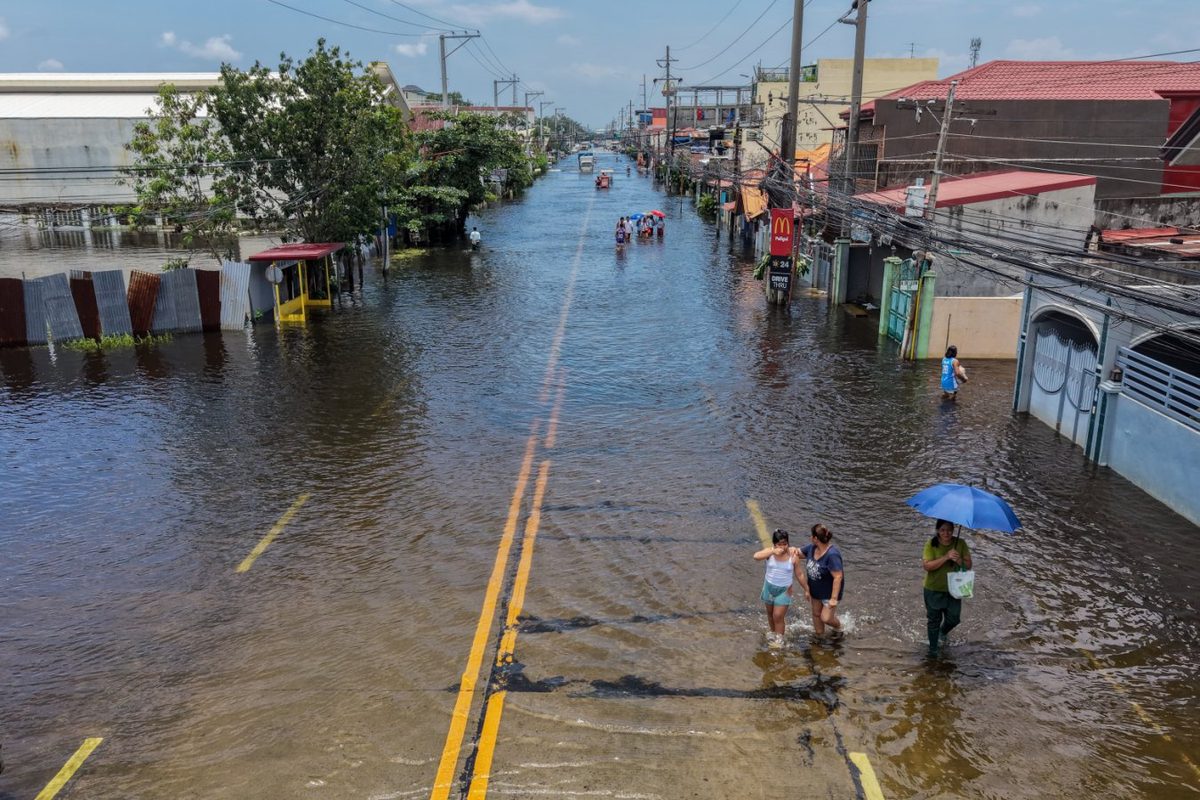
The current El Niño’s unprecedented strength, even in its early stages, suggests a high likelihood of significant global weather disruptions. These can include intensified rainfall and flooding in some regions, severe droughts in others, and altered patterns of tropical cyclone activity. The potential for this El Niño to match or exceed the historical 1877-1878 event is particularly alarming, given the catastrophic humanitarian consequences of that episode, including widespread famine and immense loss of life. Such an event today, with a much larger global population, could have even more severe and far-reaching consequences.
“The super El Niño evolving in the Pacific will likely be the biggest ever recorded, reaching or exceeding the levels of the 1877-1878 El Niño which caused widespread impacts, including famines and around 50 million deaths (3-4 percent of the global population at the time), mostly across Asia and South America,” stated Hayley Fowler of Newcastle University.
Broader Context
This powerful El Niño is occurring against the backdrop of a warming planet. While El Niño is a natural cycle, the background warming due to human-caused greenhouse gas emissions may be influencing the intensity and behavior of these events. Scientists are increasingly investigating how climate change might be amplifying the impacts of natural climate variability, potentially leading to more extreme weather events. Understanding the interplay between natural cycles like El Niño and anthropogenic climate change is crucial for accurate long-term climate projections and effective adaptation strategies.
Future Outlook
The full impact of this super El Niño is still months away, but forecasts suggest it will continue to strengthen. Scientists are closely monitoring its development and refining predictions for its global effects. The potential for record-breaking impacts necessitates urgent preparedness measures by governments and communities worldwide to mitigate the risks of extreme weather, food shortages, and other associated crises. Continued research and enhanced monitoring systems will be vital in navigating the challenges posed by such powerful climate events.
Conclusion
The current El Niño event represents a significant and potentially unprecedented climatic challenge. Its ‘off the charts’ intensity, as described by leading scientists, underscores the urgent need for global attention and preparedness. As this powerful natural phenomenon unfolds, its interaction with a warming climate raises serious concerns about future extreme weather events and their profound societal impacts. Vigilance, robust scientific monitoring, and proactive adaptation strategies are essential to address the escalating risks associated with this record-breaking El Niño.
Source: newscientist.com