Limestone Application in Agriculture: A Surprising Ally in Climate Change Mitigation
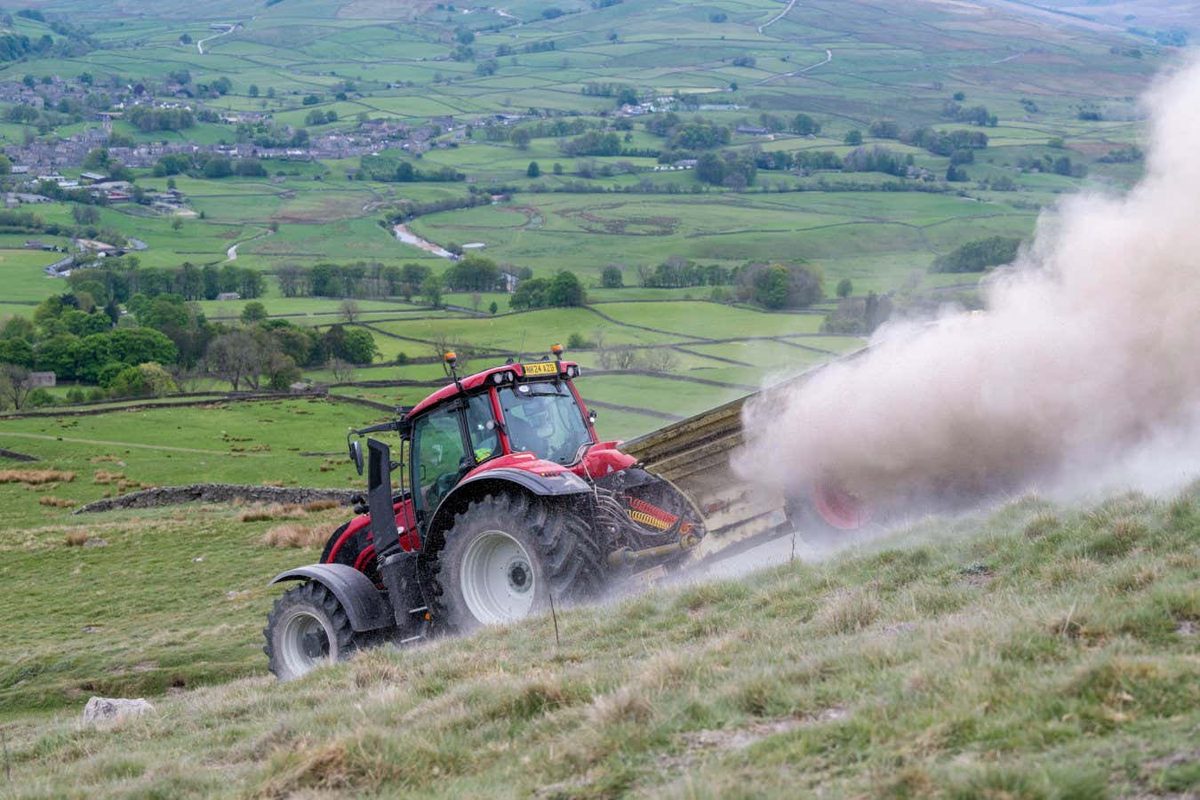
Limestone Application in Agriculture: A Surprising Ally in Climate Change Mitigation
Introduction
As the world grapples with the escalating threats posed by climate change, innovative agricultural practices are increasingly coming into the spotlight. One such practice involves the application of crushed limestone on farm fields. Traditionally, farmers have used limestone primarily to enhance soil health by reducing acidity. However, recent research indicates that this common agricultural practice could offer significant environmental benefits, specifically in the realm of carbon dioxide (CO2) reduction.
Key Details
- Soil Health Improvement: Limestone is rich in calcium carbonate, which neutralizes soil acidity and enhances nutrient availability, fostering better crop yields.
- Carbon Sequestration: The process of applying limestone can promote the chemical reactions that capture CO2, effectively removing it from the atmosphere.
- Cost-Effectiveness: Implementing limestone application is relatively inexpensive compared to other carbon sequestration methods, making it an accessible option for many farmers.
- Potential for Widespread Adoption: Given its dual benefits, limestone application could potentially be adopted on a larger scale, contributing significantly to climate change mitigation efforts.
Background
The agricultural sector is both a contributor to and a victim of climate change. It is responsible for approximately 10-12% of global greenhouse gas emissions, with significant portions attributed to soil management practices. Farmers have long relied on various methods to improve soil quality, aiming to enhance productivity while also considering sustainability. The application of limestone is not new, but its potential role in combating climate change is gaining traction.
Crushed limestone, primarily composed of calcium carbonate, acts to ameliorate soil acidity, a common issue in many agricultural regions. Acidic soils can hinder plant growth by limiting nutrient uptake. By spreading limestone, farmers can improve soil pH, resulting in healthier crops and, consequently, higher yields. However, the environmental implications of this practice are now coming to the forefront, with researchers highlighting its potential to aid in carbon sequestration.
Analysis
The mechanism behind limestone’s ability to sequester carbon is rooted in basic chemistry. When limestone is applied to acidic soils, it reacts with carbon dioxide in the atmosphere to form calcium carbonate, effectively locking away carbon in a stable form. This process not only reduces atmospheric CO2 levels but also contributes to the long-term storage of carbon in soils.
Moreover, the application of limestone could serve as a bridge between agricultural productivity and environmental sustainability. As global food demand continues to rise, finding ways to enhance soil health without exacerbating climate change is critical. Limestone's dual role serves not only to improve agricultural output but also to engage the farming community in the fight against climate change.
While the benefits are clear, the widespread adoption of limestone application faces several challenges. Farmers need to be informed about the environmental advantages and trained in effective application methods. Additionally, there may be variations in the effectiveness of limestone depending on regional soil types and conditions, necessitating tailored approaches to its use.
Conclusion
In conclusion, the practice of applying crushed limestone on farmland emerges as a promising strategy for enhancing soil health while also addressing climate change. By improving soil pH and enabling carbon sequestration, farmers can take practical steps towards a more sustainable agricultural model. As research continues to unveil the potential benefits of this method, it becomes imperative for policymakers, agricultural experts, and farmers to collaborate on fostering greater adoption of limestone application. This not only represents a win for agricultural productivity but also a crucial step towards mitigating the effects of climate change, aligning food security with environmental stewardship.