Live Eel Perforates Man's Colon in Extremely Rare Rectal Insertion Case
Introduction
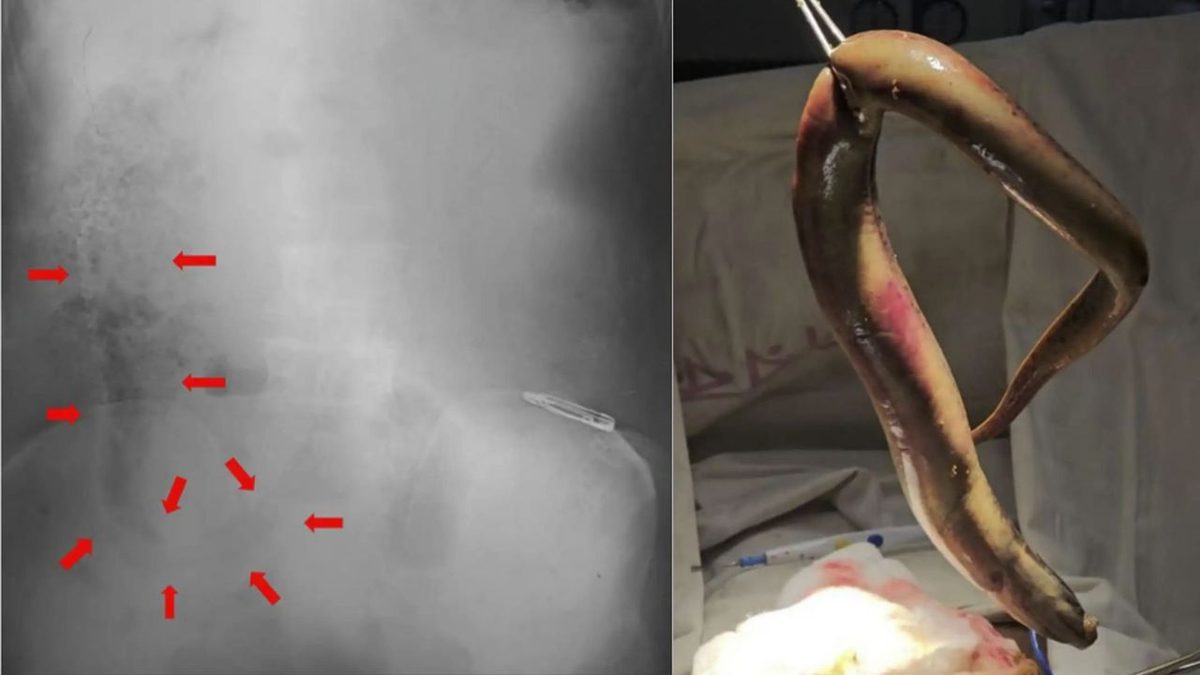
In an exceptionally unusual medical event, a 55-year-old man in Bangladesh experienced a life-threatening condition when a live eel, measuring nearly 2.2 feet (0.6 meters) in length, perforated his colon after entering through his rectum. The incident, detailed in the International Journal of Surgery Case Reports, underscores the extreme rarity of such foreign body complications, particularly those involving live animals.
Key Details
- Patient: A 55-year-old male from Bangladesh.
- Symptoms: Presented to the emergency room with severe abdominal pain, which began five hours prior to arrival. Vital signs were largely stable, though his heart rate was slightly elevated at 110 bpm.
- Incident: The patient reported that an eel had entered his rectum the previous day. He was wearing a lungi, and the eel reportedly entered through the garment's lower opening and then into his anal canal. He delayed seeking medical attention, hoping the eel would exit naturally.
- Diagnosis: Physical examination revealed a rigid and tender abdomen. An X-ray showed an eel-shaped shadow and suggested peritonitis, an inflammation of the abdominal lining, likely caused by the perforation.
- Treatment: The patient received IV antibiotics, fluids, and anti-ulcer medications. Due to the risk of septicemia, emergency surgery (laparotomy) was performed.
- Surgical Outcome: Surgeons extracted the live eel from the peritoneal cavity after making an incision in the sigmoid colon. A temporary sigmoid colostomy was created to bypass the damaged section and prevent further contamination. The patient recovered well and was discharged four days later, symptom-free.
Background
The patient's account suggests a peculiar accident involving traditional attire and an unexpected encounter with aquatic life. While wearing a lungi, a common garment in Bangladesh, the man claims the eel entered his lower garment and subsequently his rectum. This delayed seeking medical help, a decision that nearly proved fatal given the severity of the internal injury. Peritonitis, the diagnosed condition, is a serious inflammation of the peritoneum, the membrane lining the abdominal cavity and covering the abdominal organs. It can arise from infection or leakage of internal fluids, and if left untreated, can rapidly lead to sepsis and death.
Impact Analysis
The primary impact of this incident was the immediate threat to the patient's life. The perforation of the colon by a live, relatively large creature created a pathway for bacteria and intestinal contents to leak into the sterile peritoneal cavity, triggering severe inflammation and the risk of overwhelming infection (septicemia). The surgical intervention, including the extraction of the eel and the creation of a colostomy, was critical in preventing further complications and allowing the patient's body to begin healing. The swift recovery and discharge within four days highlight the effectiveness of prompt medical and surgical management in this dire situation.
Broader Context
The authors of the case report emphasize the extreme rarity of intestinal perforation by live animals. While foreign bodies entering the rectum are not unheard of—often due to accidental ingestion, insertion for sexual pleasure, or attempts at self-treatment—a live eel penetrating the colon is an “unusual and scarcely documented event.” The report references a similar, though distinct, case from Hong Kong where a man reportedly inserted a live eel into his rectum himself, allegedly to relieve constipation. This contrasts with the current case, where the patient described an accidental entry. These incidents, though rare, serve as stark reminders of the potential dangers associated with unusual practices or accidental exposures.
Future Outlook
This case report, published in the International Journal of Surgery Case Reports (Mokbul et al., 2024), contributes valuable, albeit unusual, data to medical literature. It reinforces the importance of immediate medical attention for severe abdominal pain, regardless of the perceived cause. For medical professionals, it serves as a reminder to maintain a broad differential diagnosis, even for seemingly bizarre presentations. Public health messaging in regions where such encounters might be more plausible could potentially include awareness about safe practices and the risks associated with unusual interactions with wildlife or foreign objects.
“Penetration of the colon by a live fish is an unusual and scarcely documented event.”
Conclusion
The case of the Bangladeshi man whose colon was punctured by a live eel is a remarkable medical anomaly. It highlights the resilience of the human body when faced with severe trauma and the critical role of timely surgical intervention. While the circumstances surrounding the eel's entry remain peculiar, the successful treatment and recovery underscore the capabilities of modern emergency medicine. This incident, though isolated, offers a unique insight into the unpredictable nature of medical emergencies and the importance of thorough diagnostic evaluation.
Source: livescience.com