Nintendo Switch 2 Launch Sparks Record Pre-Orders Amid Clouded Market Prospects
Introduction
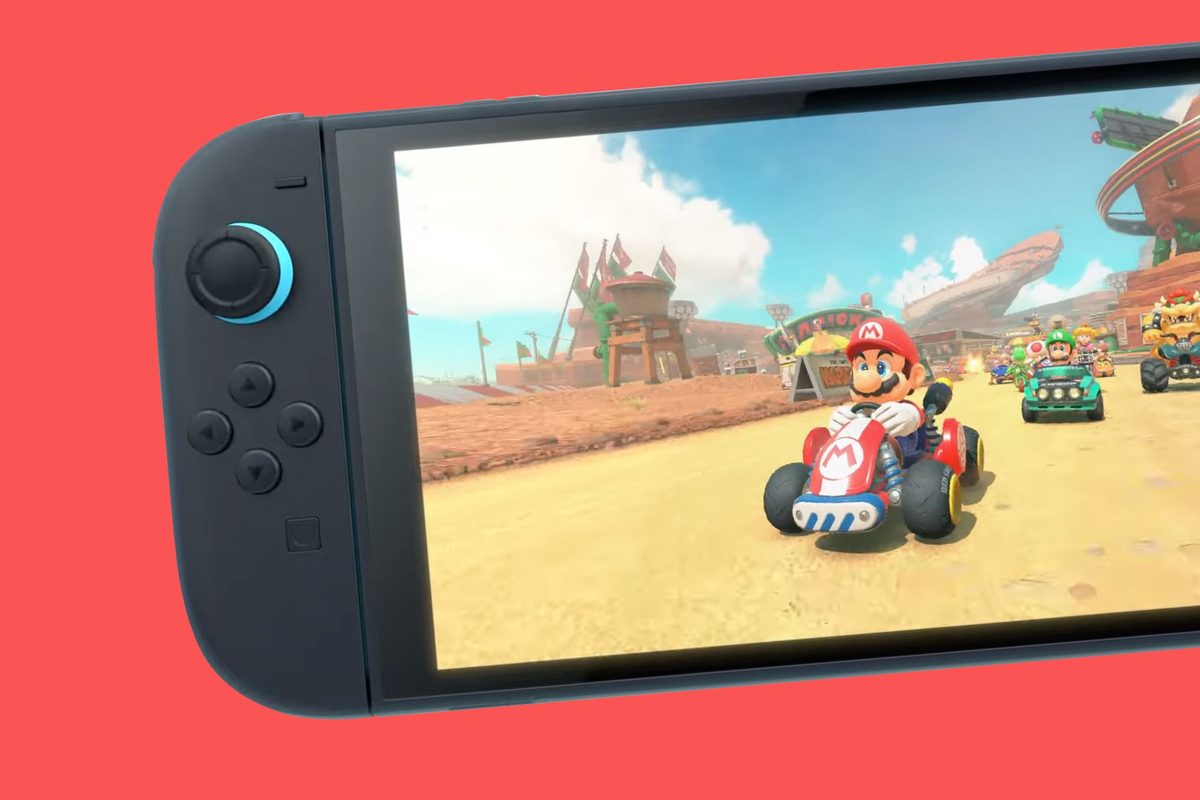
The release of Nintendo's highly anticipated Switch 2 is just days away, generating significant buzz among gamers, analysts, and industry watchers alike. As the successor to the best-selling home console in Nintendo’s history, expectations are sky-high, buoyed by early signs such as rapid sellouts of pre-orders at major retailers. Yet beneath the surface of this initial excitement lie concerns about the device's future in a volatile economic and competitive environment.
Key Details
- Pre-orders for the Switch 2 sold out quickly at Walmart, GameStop, and Target, indicating robust early consumer demand.
- Nintendo expects to sell over one million units initially, a strong start though modest compared to previous milestones.
- Market risks include rising tariffs on electronics components, inflation-driven declines in consumer spending power, and a saturated video game console market.
- The Wii U’s commercial failure is often referenced as a cautionary parallel, highlighting the difficulty of sustaining momentum after a blockbuster debut.
Background
The original Nintendo Switch revolutionized the market by combining portable and home gaming into a single device, driving it to become Nintendo’s best-selling console with over 125 million units sold globally. However, Nintendo’s history is not without setbacks—particularly the Wii U, launched in 2012, which failed to resonate due to its confusing design and lack of compelling software. It sold fewer than 14 million units, a steep decline compared to the Wii’s massive success.
Given this history, industry observers are closely scrutinizing the Switch 2’s launch, searching for signals that Nintendo has learned from past missteps and can continue its commercial dominance.
Impact Analysis
The Switch 2’s promising pre-order figures suggest a strong start, but sustaining sales momentum will be challenging. Economic factors such as increased tariffs on electronics, potentially raising manufacturing costs, coupled with a global inflationary environment, could suppress consumer purchasing power. Additionally, the video game console market is more crowded than ever, with competitors like Sony’s PlayStation 5 and Microsoft’s Xbox Series X vying for consumer attention.
Moreover, the success of a console heavily depends on software support. Nintendo’s ability to deliver compelling exclusive titles and maintain a vibrant ecosystem of games will be critical to the Switch 2's ongoing appeal.
Stephen Totilo, author at GameFile, notes, "The Wii U, with its confusing controller-screen gimmick, sluggish user interface, and lack of a great Custom Robo game, was one of Nintendo's worst flops," highlighting the importance of user experience and software lineup in console success.
Broader Context
The global gaming industry is undergoing rapid change, influenced by shifts toward digital distribution, mobile gaming, and cloud-based services. Traditional console manufacturers must innovate not only in hardware but also in the services and ecosystems they offer to keep pace.
Nintendo faces additional hurdles including supply chain disruptions and geopolitical tensions impacting component availability and costs. These macroeconomic factors add layers of uncertainty to the Switch 2’s market performance.
Future Outlook
Despite the uncertainties, Nintendo’s strong brand loyalty and the Switch 2’s early demand indicate potential for a successful lifecycle. However, Nintendo will need to navigate several challenges:
- Maintaining competitive pricing amid rising costs.
- Expanding and supporting an engaging library of exclusive games.
- Adapting to evolving consumer preferences in an increasingly digital and connected gaming landscape.
Investors and consumers alike will be watching closely to see whether Nintendo can replicate or surpass the monumental success of the first Switch console.
Conclusion
The Nintendo Switch 2 is set for a blockbuster launch, underscored by unprecedented pre-order activity that confirms strong consumer interest. However, economic headwinds such as tariffs and inflation, combined with a highly competitive market, shape a more uncertain long-term outlook. As Nintendo embarks on this new chapter, success will hinge not only on hardware innovation but also on strategic software offerings and market adaptability. While the immediate future looks bright, sustaining momentum will require a deft balance of innovation and resilience.