Beyond the Click: Understanding Next-Gen Keyboard Switches
Introduction
The humble mechanical keyboard, long a favorite for its tactile feedback and durability, is undergoing a quiet revolution. While the satisfying click and clack remain, the underlying technology is increasingly moving away from physical contact. Over the past six years, keyboards featuring optical, Hall-effect, and other so-called “contactless” switches have gained significant traction. These advanced keyboards often command higher prices than their traditional mechanical counterparts, which themselves are already a premium choice over basic membrane keyboards. The allure lies in theoretical advantages, particularly for gamers, but in everyday use, the practical differences can be surprisingly subtle. This guide delves into the mechanics of these new switches, explains why contactless designs are gaining popularity, and critically examines where their advantages—and disadvantages—truly lie.
Key Details
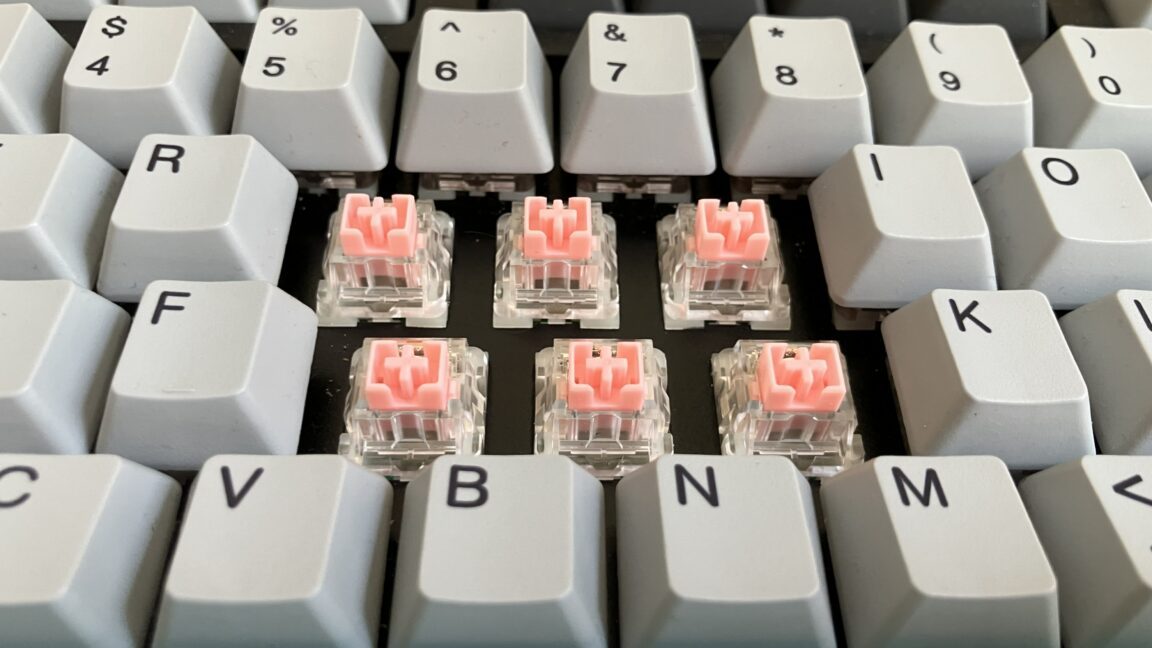
Traditional mechanical switches, like the ubiquitous Cherry MX series, operate on a simple principle. Inside each key, a spring compresses as the key is pressed, and a plastic stem moves downwards. Crucially, at rest, a part of the stem prevents two metal contact leaves from touching. When the key is actuated, this obstruction is removed, allowing the leaves to meet. This physical contact closes an electrical circuit on the keyboard’s Printed Circuit Board (PCB), sending a signal to the computer. However, this reliance on physical contact is also their Achilles' heel, leading to potential degradation over time due to wear and oxidation.
- Traditional Mechanical Switches: Rely on physical contact between two metal leaves to complete a circuit.
- Contactless Switches: Avoid physical metal-on-metal contact for actuation.
- Hall-Effect Switches: Use a magnet and a Hall sensor. As the key is pressed, the magnet moves closer to the sensor, changing the magnetic field and triggering the switch without physical contact.
- Optical (Opto-Mechanical) Switches: Employ a beam of infrared light. Pressing the key interrupts this beam, signaling the actuation.
- TMR (Tunnel Magnetoresistance) Switches: A more advanced magnetic technology that uses resistance changes in thin-film structures to detect the magnet's position, offering high precision and durability.
Background
The primary driver behind the shift towards contactless switches is the pursuit of enhanced durability and performance. Manufacturers claim these switches offer a significantly longer lifespan compared to traditional mechanical switches. This longevity stems from the elimination of physical contact points, which are prone to wear and tear. Furthermore, contactless designs are inherently immune to issues like oxidation and corrosion, which can plague the metal contacts in standard switches over extended periods of use. This robustness is particularly appealing in demanding environments, such as competitive gaming, where rapid and repeated key presses are the norm.
Impact Analysis
For gamers, the potential benefits of contactless switches are often highlighted. Hall-effect and TMR switches, in particular, can offer adjustable actuation points. This means gamers can customize the exact depth at which a key press is registered, allowing for faster response times in fast-paced games. Some advanced optical switches also offer adjustable actuation. The lack of physical contact can also translate to a smoother keypress feel, without the debounce delay often associated with mechanical switches. Debouncing is a process where the keyboard controller registers multiple signals from a single physical press due to contact bounce; contactless switches can often bypass or minimize this, leading to near-instantaneous registration.
“The elimination of physical contact not only enhances durability but also opens up possibilities for finer control and faster response times, which are critical in competitive gaming.”
Broader Context
The evolution of keyboard switches mirrors broader trends in consumer electronics, where increased performance, durability, and customization are highly sought after. While optical and Hall-effect switches have been around for some time in other applications, their integration into mainstream keyboards is a relatively recent phenomenon. Technologies like TMR represent even newer advancements, leveraging sophisticated magnetic principles for highly precise input detection. The premium pricing of these keyboards reflects the research and development costs, as well as the perceived value of these advanced features. However, the market is still segmenting, with different technologies offering varying levels of benefit and cost.
Future Outlook
The trend towards contactless keyboard switches is likely to continue. As manufacturing processes become more refined and economies of scale are achieved, we may see these technologies become more accessible. Further innovations could include even more sophisticated sensing mechanisms, improved haptic feedback integrated into contactless designs, and deeper software integration for customization. The distinction between gaming-specific features and general usability will likely blur, with advanced switch technology becoming a standard offering across a wider range of keyboards. The focus will remain on providing a superior user experience, whether for typing, productivity, or gaming.
Conclusion
While the core function of a keyboard remains unchanged, the technology powering its keys is rapidly advancing. Contactless switches, including Hall-effect and TMR variants, offer compelling advantages in durability and potential performance gains, particularly for gamers seeking an edge. However, for the average user, the practical difference in daily typing may be less pronounced. The decision to invest in a keyboard with these newer switches depends on individual priorities—whether it’s the longevity, the customizable actuation, the smoother feel, or simply the appeal of cutting-edge technology. As these innovations mature, they promise to redefine the keyboard experience for all users.
Source: arstechnica.com