The Rise of Integrated Graphics: How the Asus ROG Flow Z13 Redefines Gaming Tablets
The Rise of Integrated Graphics: How the Asus ROG Flow Z13 Redefines Gaming Tablets
The Asus ROG Flow Z13 marks a pivotal moment in the evolution of gaming tablets, challenging preconceived notions about integrated graphics and their viability for serious gaming. As we venture into a landscape increasingly dominated by portable devices, this innovative tablet not only offers robust performance but also redefines user expectations regarding what a gaming tablet can achieve.
Introduction
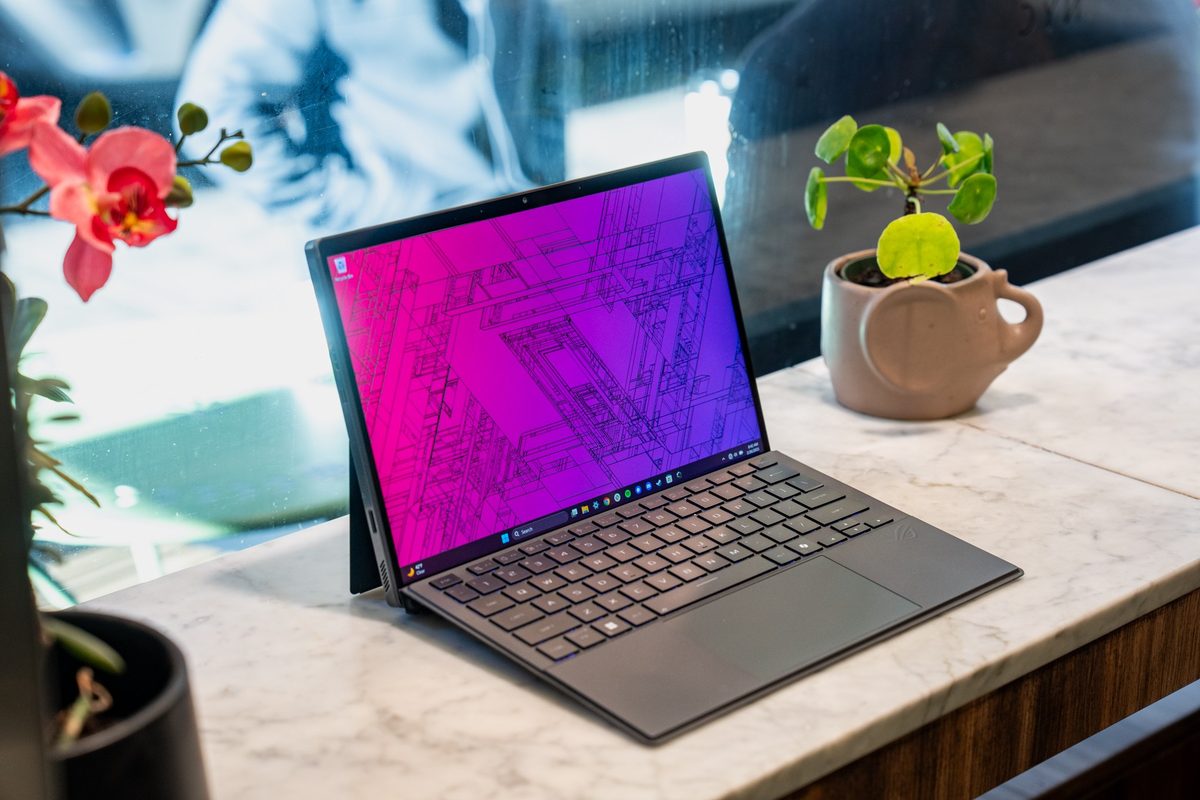
At first glance, the Asus ROG Flow Z13 resembles a Surface Pro—but a closer look reveals it is far from ordinary. This gaming tablet, equipped with a detachable keyboard, is designed to offer both functionality and aesthetics. With a starting price of $2,099.99, the Flow Z13 is not just another entry in the crowded tech market; it represents a shift in how integrated graphics can be perceived in the gaming community.
Key Details
- **Display:** 13.4-inch 180Hz IPS touchscreen with pen support
- **Processor:** AMD Ryzen AI Max Plus 395 APU
- **Memory:** 32GB unified memory (expandable up to 128GB)
- **Storage:** 1TB m.2 SSD
- **Price:** Starting at $2,099.99, reviewed unit priced at $2,299.99
The Flow Z13 isn't merely a tablet; it embodies a harmonious blend of mobility and power. The impressive specifications, particularly the AMD processor featuring advanced integrated graphics, allow it to tackle gaming tasks typically reserved for dedicated graphics cards.
Background
Historically, integrated graphics in portable devices were often seen as limited, relegated to basic tasks and casual gaming. However, with advancements in technology, particularly with AMD's latest APU designs, the potential for integrated graphics to handle more demanding games has significantly improved. The Flow Z13 is a testament to this evolution, offering a compelling option for gamers on the go.
Impact Analysis
The implications of the Flow Z13 extend beyond its specs. As gaming becomes increasingly mobile, devices like this challenge the status quo that has long favored bulky laptops and desktop setups for serious gaming. The Flow Z13's ability to deliver solid gaming performance in a tablet format suggests a potential shift in the market, attracting a demographic of gamers who prioritize portability without sacrificing power.
Broader Context
The gaming industry is witnessing a trend towards more versatile devices that cater to diverse gaming needs. The success of the Asus ROG Flow Z13 could inspire other manufacturers to innovate further, pushing the boundaries of what we consider a gaming device. This shift comes at a time when consumers are looking for multifunctional devices that can seamlessly transition between work and play.
Future Outlook
As we look ahead, the integration of powerful graphics capabilities into smaller devices is likely to accelerate. The success of the ROG Flow Z13 may prompt further investments in research and development of integrated graphics solutions that can meet the demands of modern gaming. This could lead to a new generation of gaming tablets that not only compete with traditional systems but also outclass them in portability and innovation.
Conclusion
In summary, the Asus ROG Flow Z13 stands as a significant milestone in the realm of gaming tablets, effectively showcasing the potential of integrated graphics. As it challenges the conventions of portable gaming, it invites users to reconsider what they expect from such devices—merging the lines between a tablet, a laptop, and a portable gaming console.
Source: theverge.com