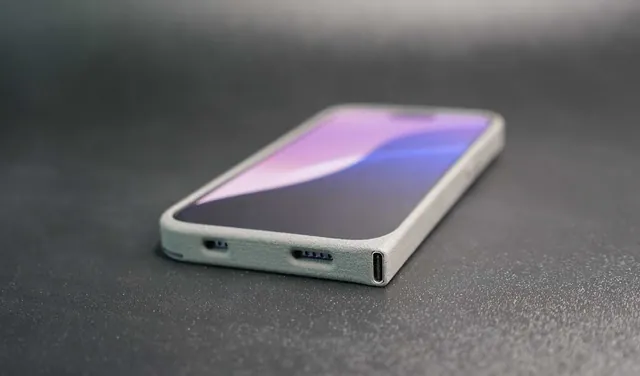
Mini DisplayPort Fades as Thunderbolt and USB-C Dominate Video Connectivity
Introduction
For a significant period, Mini DisplayPort stood as a prominent video output interface, particularly favored by Apple for its compact form factor. Introduced by Apple in 2008, it aimed to streamline connectivity by replacing older, bulkier standards like VGA and DVI with a single, sleeker connector. For years, it graced the chassis of most Mac models. However, a noticeable shift has occurred, with Mini DisplayPort becoming a rarity on contemporary computers, even disappearing from Apple's own Mac lineup. This raises the question: has Mini DisplayPort become obsolete?
Key Details
- Introduction of Mini DisplayPort: Launched by Apple in 2008 to offer a slimmer video and audio output alternative to VGA and DVI.
- Core Technology: Both full-size DisplayPort (DP) and Mini DisplayPort share the same specifications, supporting high bandwidth for video and audio transmission.
- Bandwidth Capabilities: DisplayPort can handle resolutions up to 8K and high refresh rates (144Hz+) depending on the generation, significantly outperforming older standards.
- Thunderbolt Integration: Early Thunderbolt versions (1 and 2) utilized the Mini DisplayPort connector, adding high-speed data transfer capabilities alongside video and audio.
- Shift to USB-C: Thunderbolt 3 and subsequent standards adopted the reversible USB-C connector, which also supports DisplayPort Alternate Mode, enabling it to carry DisplayPort signals.
- USB-C Dominance: USB-C has become the de facto standard, consolidating video, audio, high-speed data, and even Thunderbolt protocols into a single, versatile connector.
- Continued Relevance of DisplayPort: The full-sized DisplayPort standard remains crucial for high-end monitors and graphics cards, supporting extreme resolutions and refresh rates (e.g., 4K at 240Hz).
- Compatibility Issues: Older hardware with Mini DisplayPort may face compatibility challenges with modern devices like VR headsets or specific adapters.
Background
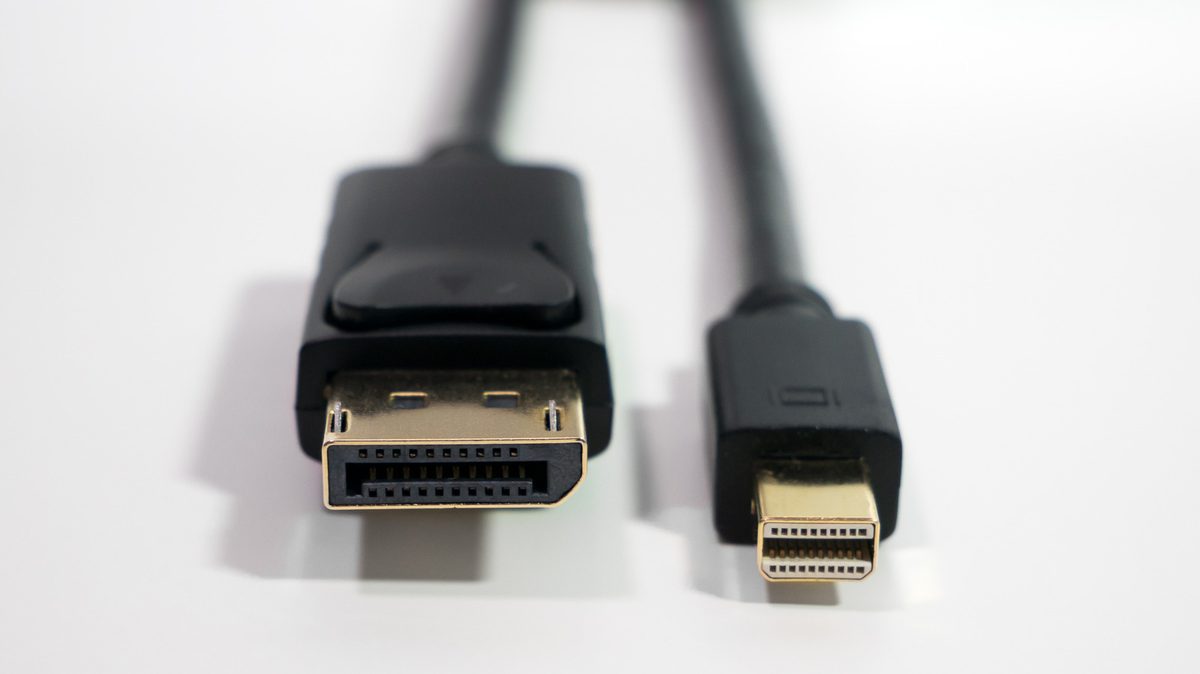
The distinction between DisplayPort and Mini DisplayPort lies primarily in the physical connector size. While the underlying technology is identical, Apple's preference for the smaller Mini DisplayPort was driven by the need to accommodate increasingly slim laptops and compact desktop machines like the MacBook and Mac mini. The primary advantage of the DisplayPort standard over its predecessors was its substantially higher bandwidth. This allowed for higher resolutions and refresh rates, a crucial development as display technology advanced. Unlike VGA or DVI, which were limited in resolution and often required separate audio cables, DisplayPort seamlessly transmitted both video and audio signals through a single cable.
Impact Analysis
The trajectory of Mini DisplayPort was significantly altered by the advent of Thunderbolt and, more recently, USB-C. Initially, Thunderbolt leveraged the Mini DisplayPort connector, effectively enhancing its utility by incorporating high-speed data transfer alongside video and audio capabilities. This convergence was particularly beneficial for peripherals like Apple's Cinema Display, which could utilize a single cable for multiple functions. However, the landscape shifted dramatically with the introduction of Thunderbolt 3, which standardized on the USB-C connector. This move, quickly adopted by Apple and other PC manufacturers, consolidated connectivity options. USB-C's reversible design, combined with its ability to handle video, audio, data, and even the Thunderbolt protocol, made it an overwhelmingly attractive proposition. Furthermore, the integration of DisplayPort Alternate Mode into USB-C meant that a standard USB-C cable could carry a DisplayPort signal, rendering a separate Mini DisplayPort connection largely redundant for manufacturers and consumers alike. The convenience of a single port for diverse needs accelerated the decline of Mini DisplayPort.
Broader Context
While Mini DisplayPort has faded from the mainstream, the underlying DisplayPort technology continues to thrive, particularly in professional and enthusiast circles. Full-sized DisplayPort remains the preferred choice for high-performance gaming monitors and professional workstations that demand the utmost in visual fidelity. The latest iterations of DisplayPort, such as DP 2.1, offer bandwidths reaching up to 80 Gbps (with DP 2.2 increasing this to 96 Gbps), surpassing even the latest HDMI standards in raw data throughput. This makes DisplayPort the gold standard for pushing the limits of display technology, supporting configurations like 4K resolution at a blistering 240Hz refresh rate. In contrast, while HDMI has made significant strides, DisplayPort often holds the edge for the most demanding applications where every bit of bandwidth counts.
Future Outlook
The future for Mini DisplayPort appears limited to legacy support. While existing devices featuring the port will continue to function, and adapters can bridge the gap to modern displays, it is highly unlikely to see Mini DisplayPort integrated into new hardware. The industry's momentum is firmly behind USB-C, which has proven its versatility and capability to integrate multiple protocols. As USB-C continues to evolve, its ability to carry DisplayPort signals via Alternate Mode ensures that the core benefits of DisplayPort are accessible through this modern, universal connector. The primary challenge moving forward will be ensuring seamless compatibility between older Mini DisplayPort hardware and newer systems, particularly for specialized applications like VR headsets, which can be sensitive to signal integrity and adapter performance.
Conclusion
Mini DisplayPort, though once a significant player in portable device connectivity, has been largely superseded by the more versatile and universally adopted Thunderbolt and USB-C standards. Its decline is not a reflection of the obsolescence of the DisplayPort protocol itself, which remains a high-performance standard for demanding displays. Instead, Mini DisplayPort's fate was sealed by the industry's embrace of USB-C, a connector that consolidates video, audio, and data transfer into a single, convenient, and reversible port. While Mini DisplayPort hardware will persist for some time, its era as a primary interface has definitively concluded, making way for the unified connectivity offered by USB-C.
Source: engadget.com