Neanderthal Dietary Diversity: Uncovering Cultural Differences Through Butchering Techniques
Neanderthal Dietary Diversity: Uncovering Cultural Differences Through Butchering Techniques
Introduction
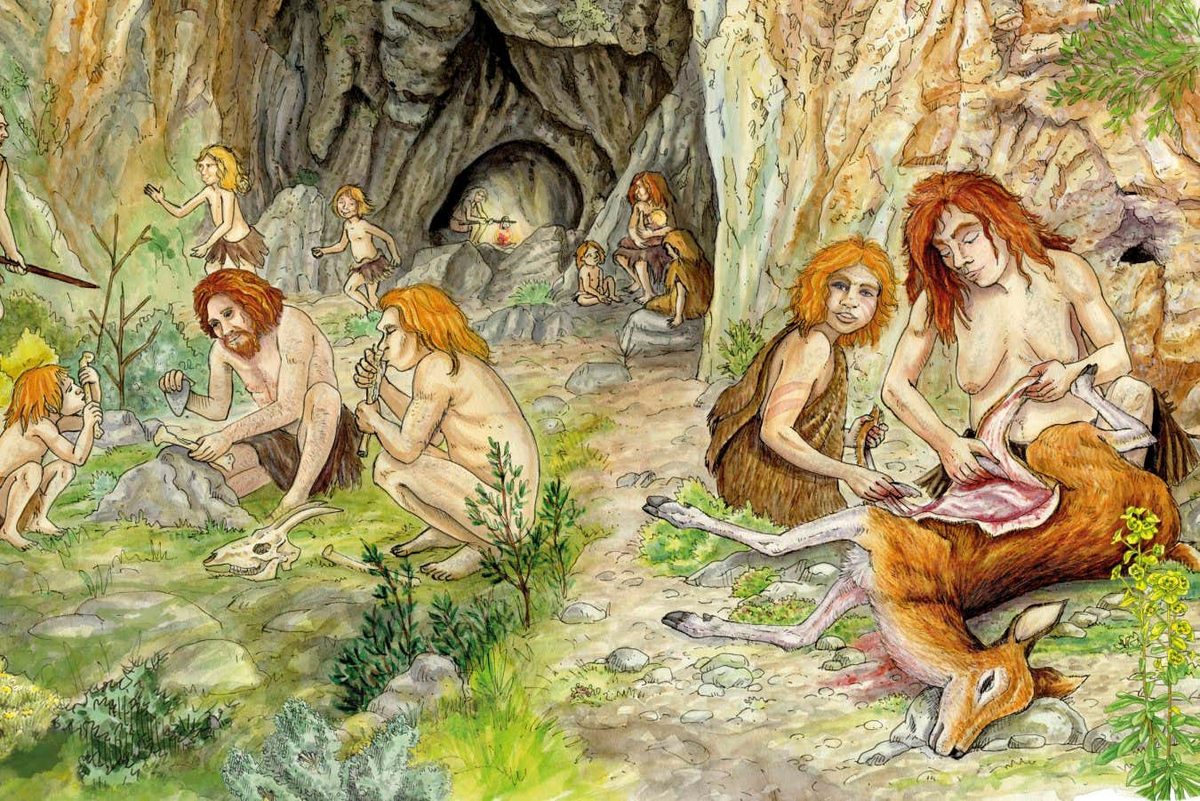
Recent archaeological findings have brought to light the intriguing possibility that Neanderthal groups, despite living in relatively close proximity, developed distinct local food cultures reflective of their unique environments and social practices. A thorough analysis of cut marks found on animal bones suggests variances in butchering techniques among different Neanderthal groups, indicating that their dietary habits were not only a matter of survival but also encompassed cultural practices.
Key Details
- Research focused on comparing cut marks on bones from various Neanderthal sites.
- Distinct butchering techniques were observed among groups living in close geographic areas.
- The findings suggest a level of dietary specialization and cultural identity.
- Exploration of local animal resources likely influenced specific butchering methods.
- This research invites a re-evaluation of how Neanderthals are perceived in terms of cultural complexity.
Background
The study of ancient hominins, particularly Neanderthals, has evolved significantly in recent years. Once viewed predominantly as brutish and primitive, modern research has revealed a much more nuanced picture of their lives. Neanderthals, who roamed across Europe and parts of Asia until around 40,000 years ago, were adept hunters and gatherers with a profound understanding of their environment. They utilized tools, engaged in social structures, and likely had forms of communication similar to early modern humans.
Archaeological excavations have uncovered a wealth of evidence regarding Neanderthal subsistence strategies, particularly their hunting methods. The analysis of cut marks on bones provides critical insight into these practices. Different techniques employed during butchering can indicate not only what species were hunted but also how the meat was processed for consumption. This recent research sheds light on the idea that Neanderthals could have developed localized traditions and practices around food preparation and consumption that reflect their environmental adaptations.
Analysis
The findings from the comparative analysis of cut marks on bones reveal significant implications for understanding Neanderthal culture. Firstly, the existence of distinct butchering styles among nearby groups signals a level of cultural complexity that was previously underappreciated. Neanderthals' ability to adapt their butchering techniques to local resources illustrates a sophisticated understanding of their environment. This adaptability may have been crucial for their survival, allowing them to maximize the utility of available animal resources.
Moreover, these differences in butchering practices could indicate the presence of social learning and the transmission of knowledge within Neanderthal groups. Just as modern human cultures pass down culinary techniques, Neanderthals may have shared and adapted their methods based on local customs and available resources. This insight challenges the stereotype of Neanderthals as culturally simplistic beings, instead painting a picture of diverse groups each with unique responses to their environments.
Furthermore, this research not only broadens our understanding of Neanderthal dietary practices but also encourages a reconsideration of their social dynamics. The development of localized food cultures may suggest that Neanderthal communities engaged in a form of cultural expression through their food practices, akin to modern human societies. This could imply that food was not just a means of sustenance but also a medium for social bonding and cultural identity.
Conclusion
The recent findings regarding Neanderthal butchering practices mark a significant advancement in our understanding of these ancient hominins. By uncovering evidence of localized food cultures, researchers highlight the complexity of Neanderthal life and their cultural diversity. This research invites further exploration into the social and cultural dimensions of Neanderthal existence, emphasizing the need to view them not merely as primitive ancestors but as sophisticated beings with rich cultural identities. As we continue to investigate our evolutionary past, each new discovery not only fills gaps in our history but also deepens our appreciation for the intricate tapestry of human development.