First Conservation-Bred Caribou Released Into Canadian Wilderness
Introduction
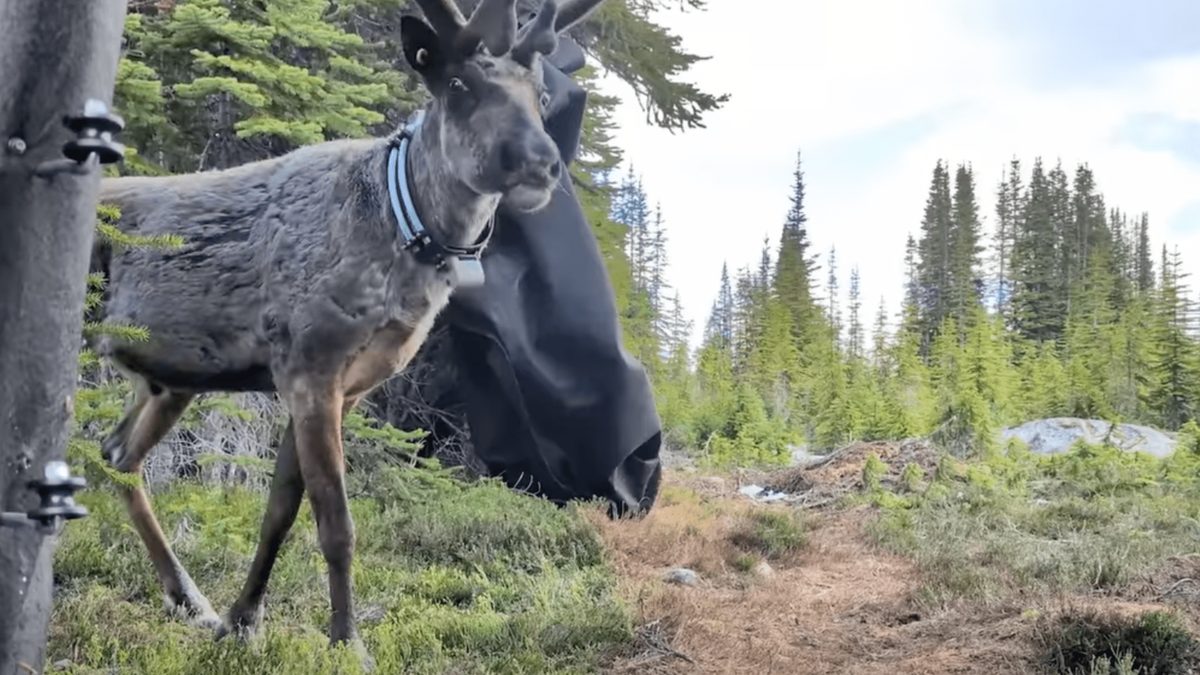
Jasper National Park in Alberta, Canada, has welcomed five new residents that represent a significant step forward in conservation efforts: one adult male caribou and four caribou calves. These animals are not just any caribou; they are the first to be released into the wild as part of North America’s inaugural conservation breeding program for the species. Parks Canada successfully reintroduced this group into the Tonquin Valley in June, marking a pivotal moment for the program and the future of caribou in the region.
Key Details
- Five caribou released: One adult bull and four calves.
- Location: Tonquin Valley, Jasper National Park, Alberta, Canada.
- Program First: These are the first animals bred and raised in a conservation program to be released back into the wild.
- Adaptation: The released caribou have been observed exploring the valley, crossing creeks, navigating terrain, and have begun interacting with wild caribou herds, indicating positive adaptation.
- Breeding Centre: The program operates from the Caribou Conservation Breeding Centre within Jasper National Park.
- Pre-release Acclimation: Before release, the animals were housed in a temporary pen near Amethyst Lake to adjust to their natural surroundings and diet.
Background
The caribou (Rangifer tarandus) is a species facing significant challenges globally. The International Union for Conservation of Nature (IUCN) Red List classifies the parent species as Vulnerable, with global populations having declined by an estimated 40 percent over the past 10 to 30 years. This decline is particularly concerning given the caribou's low reproductive rate and their critical need for extensive, continuous habitats. These factors make them exceptionally susceptible to habitat disruption, a growing threat in many parts of their range.
In Canada, specifically in Alberta and British Columbia, several woodland caribou herds have already been lost entirely. Recognizing this dire situation, Parks Canada initiated its conservation breeding program. The first group of wild caribou was captured for this program in 2025, with the aim of breeding and raising them in a protected environment before attempting reintroduction. The recent release into Jasper National Park's Tonquin herd represents the culmination of years of planning and effort.
Impact Analysis
The successful release of these five caribou is more than just a symbolic gesture; it is a tangible outcome of dedicated conservation science. The program aims to bolster dwindling wild populations by providing individuals that have a higher chance of survival due to controlled rearing and gradual acclimatization. The fact that the released animals are already exploring their new environment and, crucially, integrating with existing wild caribou, is a highly encouraging sign. This social integration is vital, as it can help re-establish natural behaviors and potentially increase the reproductive success of the wild herd.
“These trailblazers’ journeys are just beginning, but this milestone marks important progress for caribou recovery in Jasper National Park,” a statement from the park highlighted. This sentiment underscores the long-term vision: not just to release animals, but to contribute to the sustainable recovery and resilience of the species within its natural ecosystem.
Broader Context
The plight of the caribou is emblematic of broader challenges facing wildlife in North America and globally. Habitat fragmentation due to industrial development, climate change impacting food sources and migration routes, and human disturbance all contribute to species decline. Conservation breeding programs, like the one in Jasper, are becoming increasingly critical tools in the conservationist's arsenal. They offer a way to maintain genetic diversity and a population base for species that are on the brink in the wild.
This initiative also highlights the importance of national parks and protected areas as refuges and as sites for active ecological restoration. Jasper National Park, a UNESCO World Heritage site, plays a crucial role not only in preserving natural landscapes but also in pioneering conservation strategies that can be adapted and applied elsewhere.
Future Outlook
The success of this initial release will undoubtedly inform future phases of the caribou conservation breeding program. Parks Canada will continue to monitor the health, behavior, and integration of these five individuals closely. Data gathered from their adaptation process will be invaluable for refining breeding techniques, release strategies, and post-release support. The ultimate goal is to establish a self-sustaining population of caribou within Jasper National Park and potentially other suitable habitats.
The long-term viability of caribou populations depends on addressing the root causes of their decline, including habitat protection and restoration. While breeding programs provide a vital lifeline, they must be complemented by broader landscape-level conservation efforts. The integration of these bred caribou with wild herds offers a glimmer of hope that such integrated approaches can yield positive results.
Conclusion
The release of these five caribou into Jasper National Park is a landmark achievement for conservation in North America. It signifies a hopeful new chapter for a species classified as Vulnerable, demonstrating that dedicated breeding programs, coupled with careful reintroduction strategies, can offer a pathway back from the brink. As these 'trailblazers' adapt to their new home, they carry the weight of expectation for the future of caribou recovery, embodying the resilience and hope inherent in effective conservation action.
Source: popsci.com