Stunning Celestial Wonders Captured: 18 Award-Winning Photos from 2025 Astronomy Photographer of the Year
Introduction
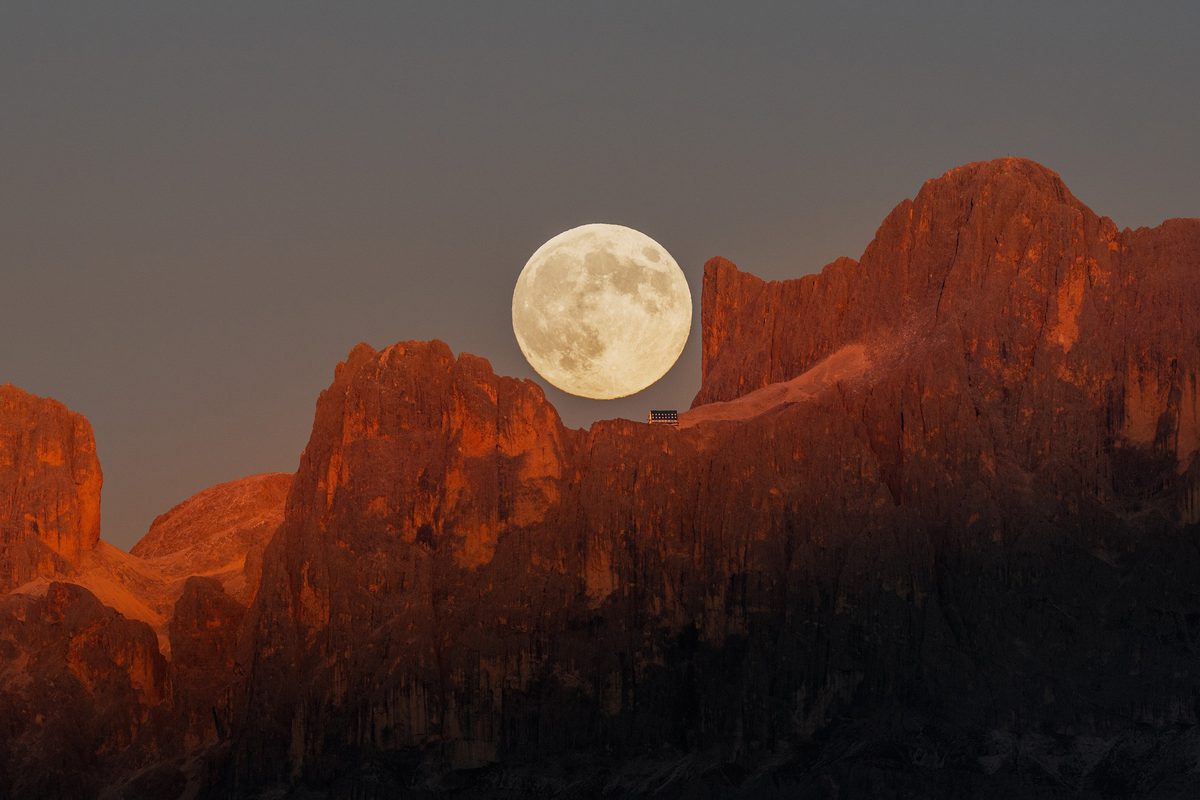
Astrophotography uniquely bridges the realms of art and science, offering viewers a dual experience of humility and awe in the face of the cosmos. The winners of the 2025 Astronomy Photographer of the Year awards exemplify this blend, capturing the universe’s grandeur in vivid detail. Their images span phenomena from solar flares to distant nebulae, illustrating both our place within the cosmos and the universe’s incredible diversity.
Key Details
- The competition is in its seventeenth year, judged by experts in both art and astronomy.
- Winners will be announced on September 11, 2025, across nine categories and two special prizes.
- The images include spectacular views of solar prominences, total solar eclipses, aurorae, galaxies, nebulae, lunar events, and comets.
- Notable photographers include PengFei Chou, Louis Egan, Vincent Beudez, Xinran Li, and others, recognized for their technical skill and artistic vision.
- The images are from diverse global locations, showcasing astronomy's universal appeal.
Background
The Astronomy Photographer of the Year competition, hosted by the Royal Museums Greenwich, has become an essential platform for astrophotographers worldwide. It celebrates the technical prowess and creative artistry involved in capturing celestial phenomena. Over its 17 years, the contest has helped popularize astrophotography, inspiring both amateur and professional astronomers to share the universe’s beauty with a broad audience.
Astrophotography itself has evolved dramatically in recent decades. Advances in camera technology, telescopes, and image processing software allow photographers to capture extremely detailed and vivid images that were once impossible. This technological progress has democratized access to astrophotography, enabling enthusiasts worldwide to document and share cosmic events.
Impact Analysis
The 2025 winning images not only offer artistic value but also play a crucial role in science communication. By visualizing complex astronomical phenomena, these photographs deepen public understanding and appreciation of space science. For example, PengFei Chou’s 500,000-km solar prominence eruption provides a tangible glimpse into solar activity, which affects space weather and satellite operations on Earth.
Moreover, images like Vincent Beudez’s 'The Arctic Flower' aurora highlight the dynamic interactions between Earth’s atmosphere and the solar wind, underscoring the importance of studying geomagnetic phenomena. Such photographs serve as visual tools that complement scientific data, making abstract concepts accessible and engaging.
Broader Context
Astrophotography exists at the intersection of science, technology, and art. The 2025 Astronomy Photographer of the Year awards highlight how these fields converge to enhance public engagement with astronomy. As humanity continues to explore space, these images foster a shared sense of wonder and curiosity, transcending cultural and geographical boundaries.
These photographs also emphasize environmental and observational challenges, such as light pollution and climate conditions, which impact the visibility of celestial events. This raises awareness about the importance of preserving dark skies and supporting astronomical research.
Future Outlook
Looking forward, advancements in imaging technology and space exploration promise even more extraordinary glimpses into the universe. Upcoming telescopes, both ground-based and spaceborne, alongside improved image processing algorithms, will enable astrophotographers to capture deeper and more detailed images.
Moreover, as more people gain access to sophisticated equipment, the field of astrophotography is likely to expand, fostering a more diverse community of cosmic observers. Competitions like the Astronomy Photographer of the Year will continue to play a vital role in spotlighting talent and inspiring public interest in the cosmos.
Conclusion
The 2025 Astronomy Photographer of the Year awards celebrate the beauty and complexity of the universe through 18 remarkable images. These photographs not only captivate with their aesthetic appeal but also serve as powerful tools for education and inspiration. As the universe continues to unveil its secrets, astrophotography remains a vital medium connecting humanity to the stars.