Nature's Fierce Side: New Book Highlights 8 'Metal' Animals
Introduction
While nature is often celebrated for its beauty and tranquility, a raw and often brutal reality exists beneath the surface. The newly released book, Nature Is Metal: It’s a Life-Eats-Life World, dives headfirst into this less-discussed aspect of the natural world. Authored by Ettore R. Paolucci, the force behind the viral social media phenomenon 'Nature Is Metal,' and writer Hans Aschim, the book presents a collection of striking photographs and compelling narratives that highlight the extreme adaptations, survival instincts, and predatory behaviors of 75 of nature’s most formidable creatures, plants, and phenomena. This excerpt offers a glimpse into this wilder side, focusing on eight particularly fierce animals that embody the “metal” ethos of survival and dominance.
Key Details
- Golden Eagle: A hypercarnivore, with at least 70 percent of its diet consisting of meat, often photographed consuming large prey like bison.
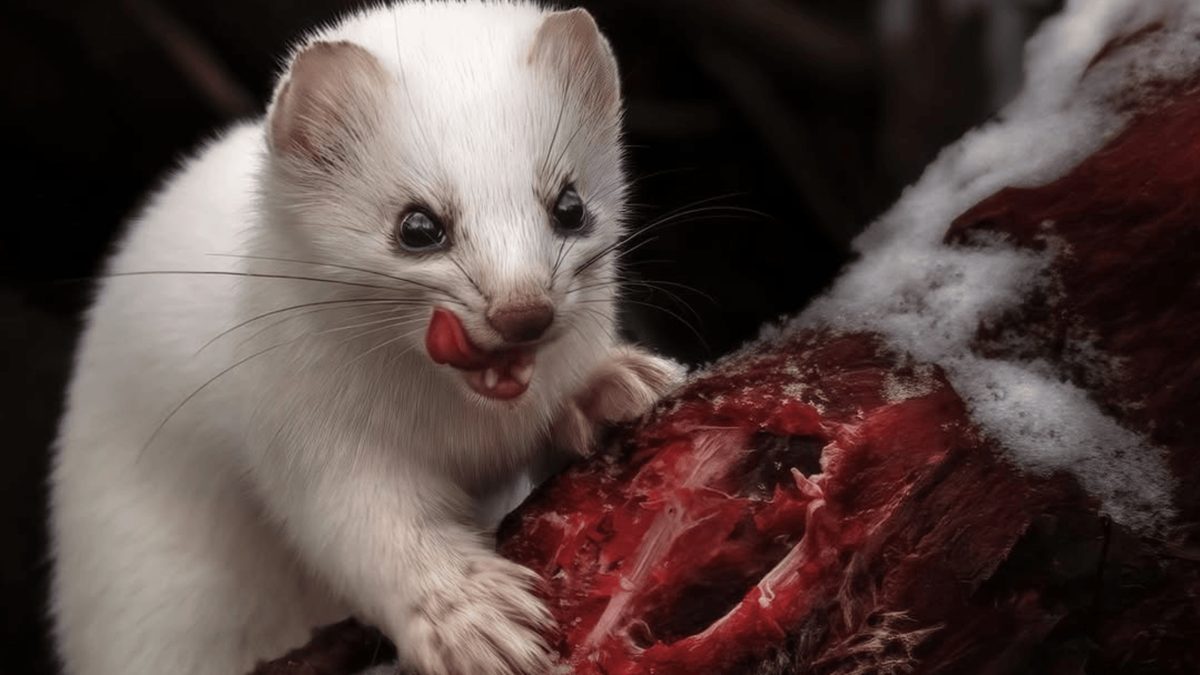
- Stoat: Despite its small size, this weasel is notorious for its opportunistic and frenzied predatory behavior.
- Giant Otter: Possessing immense strength, these otters are capable of firmly gripping and subduing prey such as swamp eels.
- Polar Bear: In times of extreme scarcity, these apex predators have been observed resorting to cannibalism, preying on cubs.
- Leopard Seal: Resembling terrestrial cats, these Antarctic predators exhibit shark-like hunting strategies, positioning them at the apex of their marine food chain.
- Great Blue Heron: This large wading bird demonstrates its predatory skill by capturing and consuming prey like banded water snakes.
- Stygian Owl: Known in Brazil as the “devil’s owl” (coruja-diabo), this owl is found across Latin America and the Caribbean, noted for its imposing presence.
- Red-tailed Hawk: An important predator in its ecosystem, this hawk plays a crucial role in regulating populations of small rodents.
Background
The concept behind Nature Is Metal stems from the widely popular online presence created by Ettore R. Paolucci. With millions of subscribers across Instagram and YouTube, Paolucci has cultivated a unique voice that reframes the public’s perception of nature, moving away from purely idyllic portrayals towards an appreciation of its inherent toughness and complexity. His self-taught approach to storytelling and content creation has resonated globally, demonstrating a demand for more authentic and less sanitized depictions of the wild. Co-author Hans Aschim, a writer and creative director, brings his narrative expertise to complement Paolucci’s visual curation. The book, published by Workman, an imprint of Hachette Book Group, Inc., is set for release on October 13, 2026.
Impact Analysis
The book's approach challenges the often-romanticized view of the natural world presented in popular media. By focusing on the “life-eats-life” aspect, it forces readers to confront the stark realities of predator-prey dynamics, competition, and the sheer will to survive that drives countless species. This perspective can foster a deeper, albeit more sobering, respect for the resilience and adaptability of life on Earth. The visceral nature of the content, amplified by high-quality photography, is designed to provoke a strong emotional response, moving beyond passive admiration to a more engaged, and perhaps even unsettling, understanding of ecological processes.
Broader Context
In an era where environmental concerns are paramount, understanding the full spectrum of nature—including its ferocity—is crucial. This book contributes to a broader conversation about conservation by highlighting the intricate balance of ecosystems, where predation and competition are not flaws but essential components. Recognizing the power and sometimes harshness of nature can lead to a more informed appreciation of biodiversity and the complex interdependencies within habitats. It serves as a reminder that the natural world operates on its own terms, often indifferent to human sentimentality, and that its strength lies in its unvarnished reality.
Future Outlook
The success of the Nature Is Metal brand suggests a significant audience appetite for content that explores the more extreme facets of the natural world. This book is likely to further solidify Paolucci's position as a leading voice in online nature storytelling. Its release could inspire further exploration into the less-documented, harsher aspects of biology and ecology, potentially leading to new educational initiatives or media projects that aim to provide a more comprehensive and less anthropocentric view of life on our planet. The book’s emphasis on visual storytelling also points to the growing importance of multimedia platforms in disseminating scientific and natural history information.
Conclusion
Nature Is Metal: It’s a Life-Eats-Life World offers a compelling counterpoint to gentler depictions of the wild. Through its focus on formidable predators like the golden eagle, stoat, and leopard seal, the book underscores the relentless cycle of life and death that defines natural ecosystems. It is a testament to the power, adaptability, and often brutal efficiency of the animal kingdom, presented in a way that is both visually arresting and intellectually stimulating. This work encourages a more profound appreciation for the full, unvarnished complexity of nature.
Source: popsci.com