Nail Biting: A Germ-Infested Habit with Significant Health Risks
Introduction
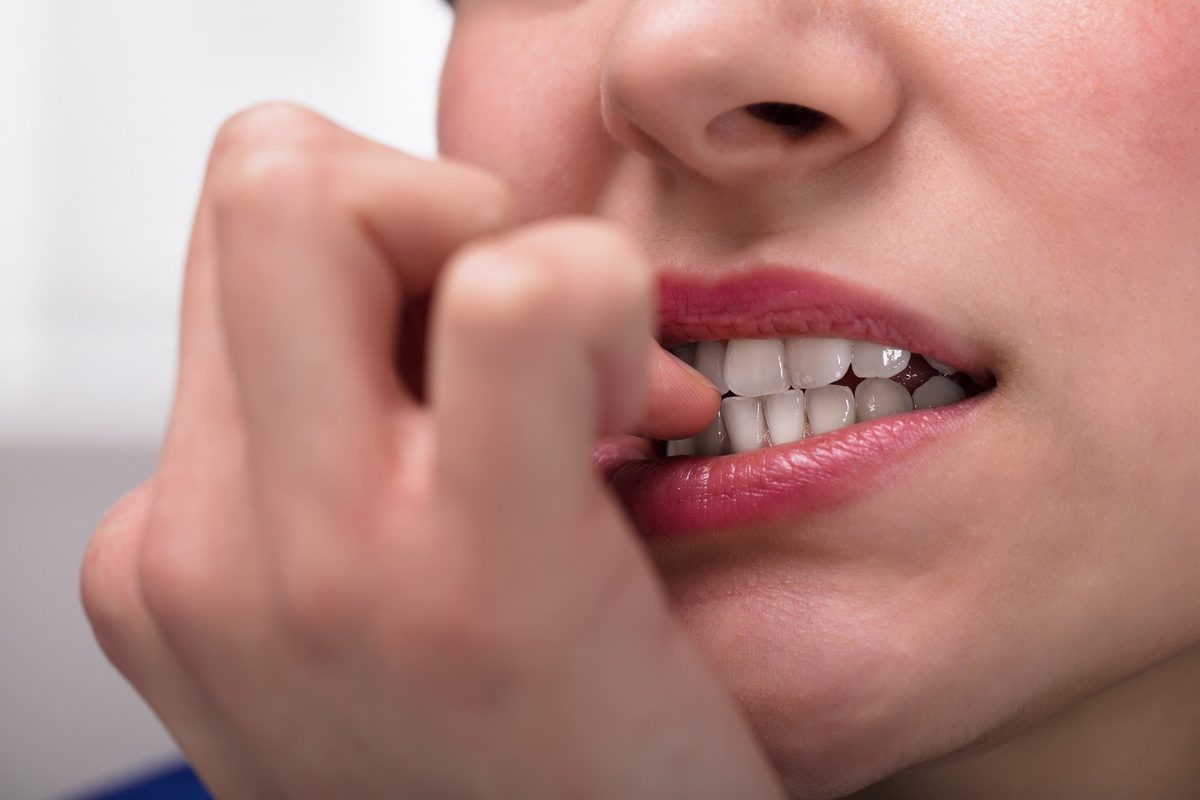
Nail biting, a habit indulged in by an estimated 20 to 30 percent of Americans, is often perceived as a minor, albeit unsightly, personal tic. However, scientific evidence reveals a far more concerning reality: this seemingly innocuous behavior is a significant vector for germs and can lead to a host of physical ailments. Far from being just a cosmetic issue, nail biting introduces a concentrated dose of bacteria, dirt, and potentially harmful microorganisms directly into the mouth, with documented consequences for both oral health and the physical integrity of fingers and teeth.
Key Details
- Prevalence: Affects 20-30% of Americans.
- Psychological Triggers: Often serves as a self-soothing mechanism, coping with stress, or alleviating boredom.
- Bacterial Load: Fingernails harbor a disproportionately high concentration of bacteria, particularly in the subungual (under-nail) regions. A 1988 study found subungual spaces contained approximately 245,000 bacteria, vastly exceeding other hand sites.
- Oral Bacteria Transfer: Nail biters exhibit significantly higher rates of Enterobacteriaceae in their saliva. Studies show 76% and 58% of nail biters tested positive, compared to 26.5% and 16% of non-biters, respectively.
- Physical Damage: Habitual nail biting can result in deformed nails, ragged cuticles, hemorrhages, and damage to the nail matrix. It also contributes to worn-down teeth and gum tissue irritation.
- Infection Risk: Increases the likelihood of fungal and skin infections on the fingers and potentially in the mouth.
Background
The reasons behind nail biting are multifaceted, often rooted in psychological states. It can manifest as a coping mechanism for stress, anxiety, or even boredom, providing a temporary sense of calm or distraction. This self-soothing quality, while offering momentary relief, comes at a considerable biological cost. The very act of bringing fingers, and particularly fingertips and nail beds, into the mouth bypasses basic hygiene practices like handwashing, directly introducing contaminants into the body's primary digestive and respiratory entry point.
Impact Analysis
The health implications of nail biting are more profound than commonly understood. Hands, by their nature, are constantly interacting with the environment, accumulating a diverse range of microorganisms. Fingernails, with their intricate folds and crevices, act as reservoirs for these microbes. Research from the University of Pennsylvania and Johns Hopkins University, published in the 1988 Journal of Clinical Microbiology, quantified this, revealing that the area under the fingernails harbored significantly more bacteria than other parts of the hand. Using logarithmic scales, the study indicated bacterial counts under the nails reaching approximately 245,000, a stark contrast to the few hundred found elsewhere on the hand.
Further studies have directly linked nail biting to increased bacterial presence in the mouth. A 2007 study in Oral Microbiology and Immunology found that 76% of nail biters carried Enterobacteriaceae, a group of bacteria often associated with fecal contamination, compared to only 26.5% of non-biters. A similar 2017 study in the Annals of International Medical and Dental Research corroborated these findings, with 58% of chronic nail biters testing positive for the bacteria versus 16% of their non-biting counterparts. This direct transfer means that individuals who bite their nails are essentially ingesting a concentrated dose of pathogens.
Beyond the microbial threat, the physical toll on the body is also considerable. A 2022 paper in the International Journal of Environmental Research and Public Health detailed the physical damage associated with onychophagia (nail biting). This includes not only cosmetic issues like uneven nails and ragged cuticles but also more severe problems such as hemorrhages, nail matrix scarring, and brittle nails. The constant chewing action can also lead to significant dental problems, including enamel wear and damage to the gum tissue. UCLA Health highlights the potential for secondary infections, including fungal and bacterial skin infections around the nail beds (paronychia).
“The subungual spaces had an average log10 CFU of 5.39, compared with a range from 2.55 to 3.53 for other hand sites.”
Broader Context
Nail biting exists within a spectrum of body-focused repetitive behaviors (BFRBs), which also include hair pulling and skin picking. These behaviors are often triggered by emotional states and can be difficult to control. While not always indicative of a severe psychological disorder, they can cause significant distress and social impairment. Understanding nail biting as a potential BFRB emphasizes the need for compassionate approaches that address the underlying psychological triggers rather than solely focusing on the physical habit.
Future Outlook
While the habit is challenging to break, effective strategies exist. The Cleveland Clinic suggests behavioral therapy, which can help individuals identify triggers and develop alternative coping mechanisms. Self-care practices, such as finding healthy ways to manage stress and boredom, are also crucial. The American Academy of Dermatology offers practical advice, including keeping nails trimmed short to reduce the temptation, applying aesthetically pleasing nail polish to discourage biting, or using specially formulated bitter-tasting polishes as a deterrent. Regular cleaning of the subungual areas is a fundamental step in mitigating the immediate risks.
Conclusion
The act of biting fingernails is far more than a simple bad habit; it is a direct conduit for bacteria and a source of physical damage to both the hands and teeth. Scientific evidence clearly demonstrates the high bacterial load under fingernails and the increased prevalence of harmful oral bacteria in those who bite them. Coupled with the documented physical damage to nails, gums, and teeth, the habit poses tangible health risks. Recognizing these risks is the first step toward seeking effective strategies, whether through behavioral therapy or practical deterrents, to break free from this germ-laden practice.
Source: popsci.com