Exploring the Neurological Links Between Eating Disorders, OCD, and Autism
Exploring the Neurological Links Between Eating Disorders, OCD, and Autism
Introduction
Recent research has unveiled alarming insights into the neurological changes associated with restrictive eating disorders such as anorexia nervosa. These changes extend beyond the realm of nutrition deprivation and resonate with patterns observed in other complex neurological conditions, including obsessive-compulsive disorder (OCD) and autism spectrum disorder (ASD). This revelation not only deepens our understanding of the multifaceted nature of eating disorders but also prompts an urgent reevaluation of treatment approaches and preventive measures.
Key Details
- Children diagnosed with anorexia nervosa and other restrictive eating disorders exhibit significant alterations in the brain's outer layer.
- These brain changes are not solely attributed to malnutrition, indicating a more profound neurological basis.
- Similar brain structure changes have been documented in individuals with OCD and autism, highlighting overlapping characteristics among these disorders.
- The findings suggest that treatment for eating disorders may benefit from insights gained from understanding OCD and autism.
- Further research is essential to clarify the mechanisms behind these neurological changes and their implications for effective intervention.
Background
Eating disorders are complex mental health conditions that impact not only the physical well-being of individuals but also their psychological and emotional states. Anorexia nervosa, characterized by an intense fear of weight gain and a distorted body image, presents a particular challenge in treatment due to its multifaceted nature. Traditionally, the focus has been on nutritional rehabilitation; however, this new research suggests that brain changes in affected children indicate a more intricate interplay of psychological and biological factors.
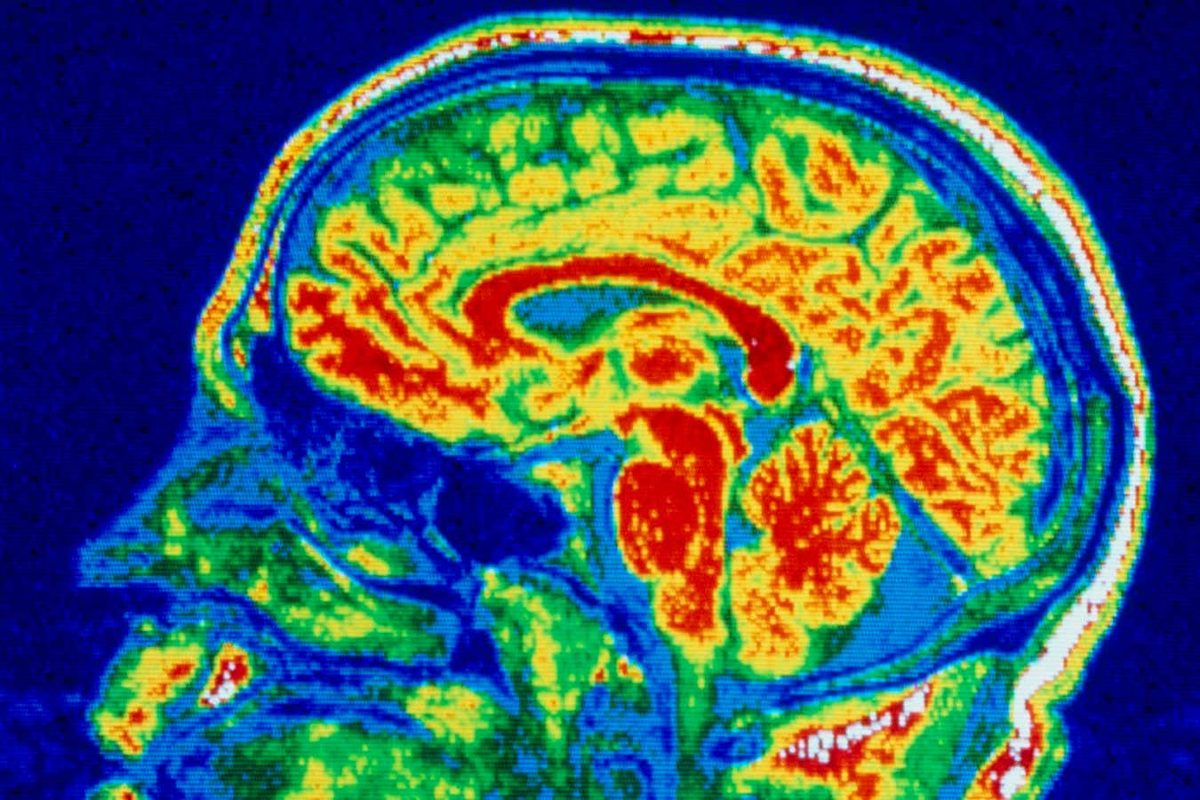
Observations of the brain's outer layer, or cortex, in children with restrictive eating disorders reveal alterations similar to those seen in OCD and autism. This correlation suggests that these disorders may share underlying neurological mechanisms, thus opening new avenues for exploration in treatment methodologies. The crossover between these conditions may provide key insights into the nature of compulsive behaviors and restrictive thought patterns that characterize both eating disorders and OCD.
Analysis
The implications of these findings are significant for both clinical practice and research in the field of mental health. Understanding that restrictive eating disorders may share neurological traits with OCD and autism challenges existing paradigms regarding their classification and treatment. Brain imaging studies that reveal structural changes could serve as a foundation for developing targeted therapies that address the neurological underpinnings of these conditions.
Moreover, the recognition of overlapping brain changes may lead to multidisciplinary approaches in treatment. For instance, cognitive behavioral therapy (CBT), which has shown effectiveness in treating OCD, could be adapted for individuals with anorexia nervosa, allowing therapists to target the cognitive distortions and compulsive behaviors common in both disorders.
Furthermore, this research underscores the importance of early intervention. With a better understanding of how these neurological changes manifest, clinicians may be able to identify at-risk individuals sooner and implement preventive strategies that mitigate the development of full-blown eating disorders. By integrating insights from the study of OCD and autism, healthcare providers can broaden their toolkit for addressing the complexities of eating disorders.
Conclusion
As we continue to unravel the neurological underpinnings of eating disorders, the parallels drawn with OCD and autism highlight the necessity of a holistic approach to treatment. While nutritional rehabilitation remains a crucial component in managing anorexia nervosa and other restrictive eating disorders, it is imperative that mental health professionals recognize the broader biological and psychological dimensions. This comprehensive perspective not only aids in the development of more effective therapeutic interventions but also fosters a deeper empathy and understanding for those grappling with these challenging conditions. The merging of insights across these related disorders holds promise for improving outcomes and quality of life for affected individuals.