Moisturizing Babies' Skin: A Potential Breakthrough in Eczema Prevention
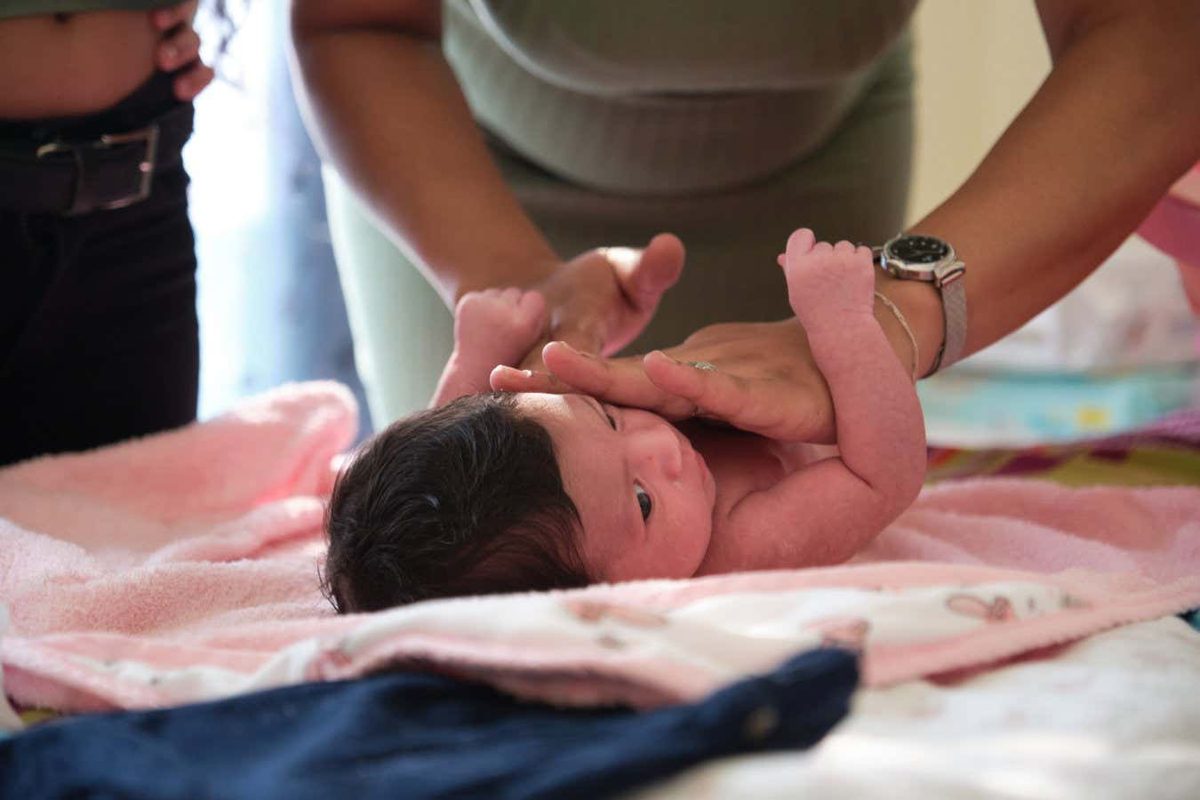
Moisturizing Babies' Skin: A Potential Breakthrough in Eczema Prevention
Introduction
Eczema, a common skin condition characterized by red, itchy patches, affects millions of children worldwide. Recent research indicates that maintaining proper skin hydration during infancy may play a crucial role in preventing the onset of this distressing condition. The findings suggest that a simple skincare regimen could be particularly beneficial for babies who do not have a genetic predisposition to eczema, leading to a wider conversation about infant skincare practices and their implications.
Key Details
- A study highlights the importance of keeping a baby's skin moisturized.
- Hydration appears to be especially crucial for infants without a genetic risk of eczema.
- The research opens avenues for preventive measures that are easy to implement.
- Further studies are needed to explore the genetic factors involved in eczema development.
- Healthcare professionals are encouraged to educate new parents on basic skincare routines.
Background
Eczema, or atopic dermatitis, is often viewed as a chronic skin condition that can have significant impacts on a child’s quality of life. The exact cause of eczema is multifaceted, with factors ranging from environmental influences to genetic predispositions. Previous research has established a connection between skin barrier dysfunction and eczema, leading scientists to explore whether proactive skincare routines could mitigate these risks. The new study provides a refreshing perspective, suggesting that early intervention through basic moisturization might safeguard against the condition for a substantial number of infants.
Analysis
Understanding the potential for skincare to prevent eczema is an exciting development in pediatric health. The study emphasizes the significance of the skin barrier in protecting against irritants and allergens. Infants, whose skin is still developing, may benefit greatly from regular moisturizing, which could enhance their skin's resilience. Moreover, the research suggests that while genetic factors play a significant role, environmental and care practices can also be influential in determining the overall health of an infant's skin.
As parents navigate the myriad of products available for infant skincare, this study could serve as a guiding principle. Simple actions, such as applying a gentle moisturizer after bath time or during dry weather, can make a difference. Healthcare professionals may want to consider integrating this information into parenting classes or prenatal education, reinforcing the idea that a little care can lead to significant health benefits.
However, it is important to approach the findings with caution. While the results are promising, they also highlight the need for more extensive research, particularly concerning the genetics of eczema. Future studies could explore the interplay between genetic factors and environmental triggers more deeply. Moreover, as the field of dermatology continues to evolve, understanding the nuances of different skin types and conditions will be essential for developing effective preventative strategies.
Conclusion
The revelation that a straightforward skincare routine might assist in preventing eczema among certain infants is an encouraging advancement in pediatric care. By focusing on hydration, parents can potentially reduce the incidence of this common condition. As researchers delve deeper into the genetics of eczema, the conversation around infant skincare continues to gain momentum, encouraging new parents to adopt proactive measures. The long-term implications of these findings could potentially reshape how we view infant skin health and the essential practices that support it.