New Insights into Brain Alterations in Children with Restrictive Eating Disorders Reveal Links to OCD and Autism
New Insights into Brain Alterations in Children with Restrictive Eating Disorders Reveal Links to OCD and Autism
Introduction
Restrictive eating disorders such as anorexia nervosa have long been associated with profound physical health consequences stemming from malnutrition. However, emerging neuroscientific research is challenging the assumption that all brain changes observed in affected children are simply a result of insufficient nutrition. Intriguingly, some neurological alterations observed in these young patients bear resemblance to those seen in obsessive-compulsive disorder (OCD) and autism spectrum disorders (ASD), suggesting overlapping mechanisms or shared neurobiological pathways.
Key Details
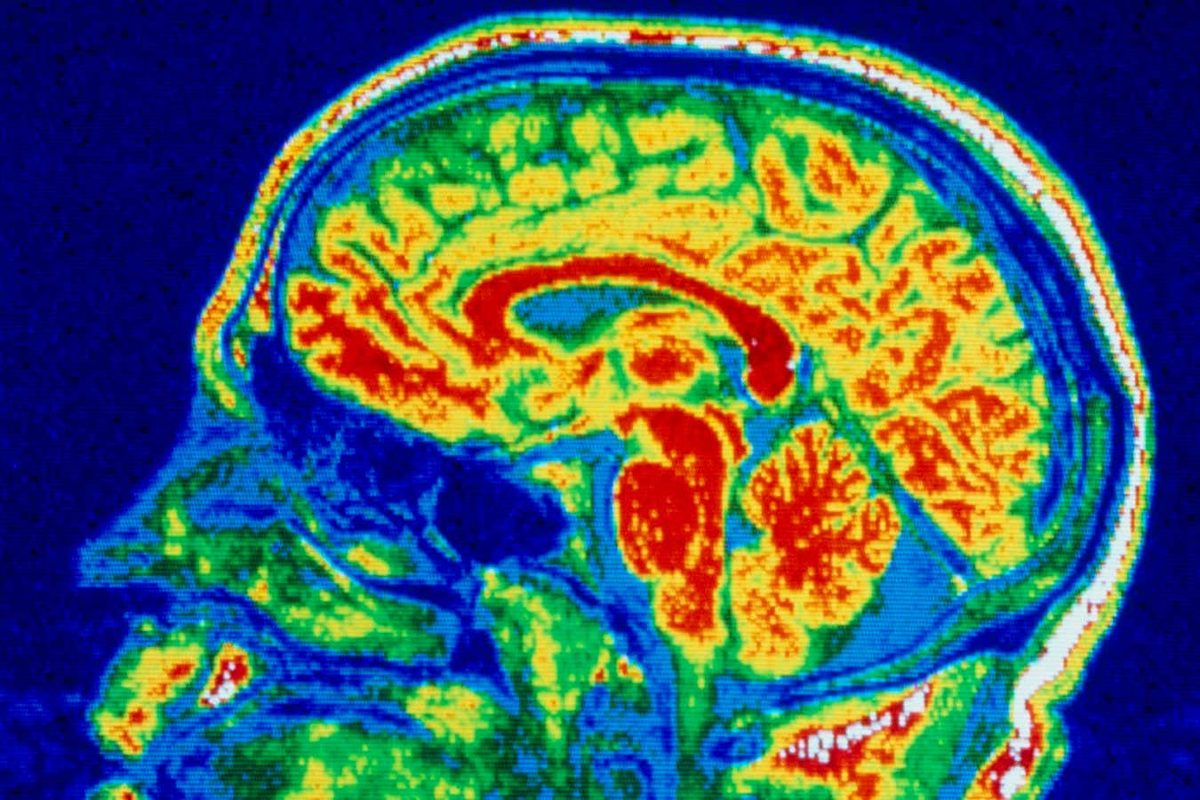
- Children with restrictive eating disorders exhibit changes in the brain’s cortex, the brain’s outer layer responsible for higher cognitive functions.
- These cortical changes are not entirely explained by nutritional deficits caused by eating restrictions.
- Similar patterns of brain alteration have been documented in neurodevelopmental and neuropsychiatric conditions such as OCD and ASD.
- The findings highlight potential shared neurobiological substrates between restrictive eating disorders and other neurological conditions.
Background
Anorexia nervosa and other restrictive eating disorders primarily affect children and adolescents, characterized by self-imposed starvation and extreme weight loss. Traditionally, brain changes observed in patients with these disorders have been attributed to malnutrition and its systemic effects, including loss of brain volume and impaired neural functioning. However, advances in neuroimaging techniques have allowed researchers to explore the brain’s structure and function in greater detail, revealing subtle but significant alterations that may precede or accompany the clinical manifestations of eating disorders.
Obsessive-compulsive disorder and autism spectrum disorder are neurodevelopmental and psychiatric conditions marked by rigid behaviors, repetitive actions, and difficulties in flexible thinking and emotional regulation. Neuroimaging studies in OCD and ASD have identified characteristic changes in the cortex, including variations in thickness and connectivity patterns. The discovery that children with restrictive eating disorders share some of these brain features suggests these disorders might share underlying neurobiological vulnerabilities.
Analysis
The recognition that brain changes in restrictive eating disorders may not be solely the consequence of malnutrition prompts a reevaluation of how these conditions are understood and treated. If certain neural alterations are inherent or pre-existing—rather than purely secondary effects—they could represent biological risk factors or endophenotypes that predispose individuals to developing restrictive eating behaviors.
Moreover, the overlap with brain changes seen in OCD and autism highlights a potential spectrum of neurodevelopmental conditions characterized by compulsivity, rigidity, and altered sensory processing. This raises important questions about diagnostic boundaries and the possibility of shared therapeutic targets.
From a clinical perspective, these findings underscore the importance of early detection and intervention, not only addressing nutritional rehabilitation but also incorporating neuropsychological and behavioral approaches that target cognitive rigidity and compulsive traits. It could also influence future pharmacological research aimed at modulating specific brain circuits implicated in these overlapping disorders.
Conclusion
The study of brain alterations in children with anorexia nervosa and related restrictive eating disorders is evolving beyond simple associations with malnutrition. By uncovering similarities with neurological conditions such as OCD and autism, researchers are paving the way for a more nuanced understanding of these complex illnesses. This insight holds promise for developing more effective, personalized treatments that address both the biological and psychological dimensions of eating disorders in young patients, ultimately improving outcomes and quality of life.