The Wild Ones: A Powerful Documentary Shining Light on Six Endangered Species and Global Conservation Efforts
Introduction
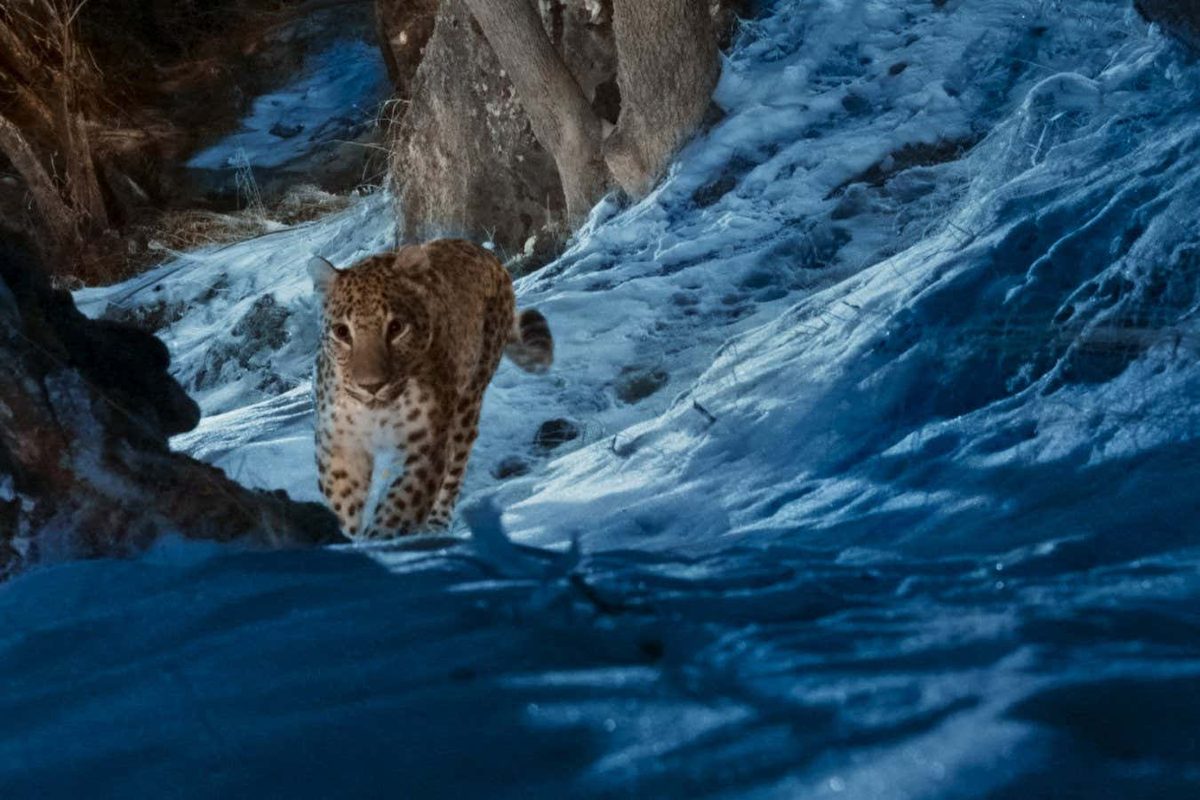
The Wild Ones is a compelling nature documentary that embarks on a journey with three passionate wildlife experts determined to capture rare footage of some of the world’s most endangered species. Among these elusive creatures are the Gobi bear and the Javan rhinoceros, species teetering on the brink of extinction. The film not only offers breathtaking visuals but also serves as a poignant call to action, urging global audiences to recognize the urgent need for conservation.
Key Details
- The documentary follows three experts specializing in wildlife filming and conservation.
- Focuses on six endangered species, including the Gobi bear, native to Mongolia’s Gobi Desert, and the Javan rhinoceros, found in parts of Southeast Asia.
- Highlights the challenges of filming these rare animals, often requiring weeks or months of patient observation.
- Underlines the critical threats these species face, such as habitat loss, poaching, and climate change.
- Intended as a call to action, it encourages viewers to support conservation efforts worldwide.
Background
Endangered species around the world are vanishing at alarming rates, driven by factors such as human encroachment, illegal wildlife trade, and environmental changes. The Gobi bear, one of the rarest bears on Earth, inhabits the remote Gobi Desert where harsh conditions and sparse food sources make survival difficult. Fewer than 50 individuals are estimated to remain, making it critically endangered.
The Javan rhinoceros, once widespread across Southeast Asia, now survives in a single population located in Ujung Kulon National Park in Indonesia. This species faces constant threats from habitat destruction and poaching, despite heavy protection efforts.
The filmmakers of The Wild Ones worked closely with conservationists to not only film these animals but also to bring wider attention to their plight. By using state-of-the-art camera technology and deep field knowledge, they have managed to capture intimate moments seldom witnessed by the public.
Analysis
Documentaries such as The Wild Ones play a crucial role in bridging the gap between scientific conservation efforts and public awareness. Visual storytelling can evoke empathy and motivate action in ways that statistics alone cannot. By showcasing the beauty and vulnerability of these endangered animals, the film personalizes global conservation challenges.
Moreover, the documentary highlights the complexity of conservation work, which often involves navigating difficult terrains, working in politically sensitive areas, and addressing socioeconomic issues impacting local communities. Conservation is not only about protecting animals but also about sustainable coexistence between humans and nature.
The choice to feature species like the Gobi bear and the Javan rhinoceros is significant because these animals are not typically in the public eye compared to more famous endangered species like tigers or elephants. This helps expand the conversation about biodiversity and the importance of protecting lesser-known species that play vital roles in their ecosystems.
Conclusion
The Wild Ones is more than just a nature documentary; it is a heartfelt appeal to global citizens, policymakers, and conservationists to unite in safeguarding the future of some of the planet’s rarest inhabitants. The film’s stunning visuals combined with its urgent message underscore that the window to save these species is rapidly closing. By raising awareness and inspiring action, The Wild Ones contributes to the ongoing effort to preserve biodiversity and maintain ecological balance for generations to come.