Microplastic Exposure Alters Animal Feeding Behavior Across Generations, Raising Ecological Concerns
Introduction
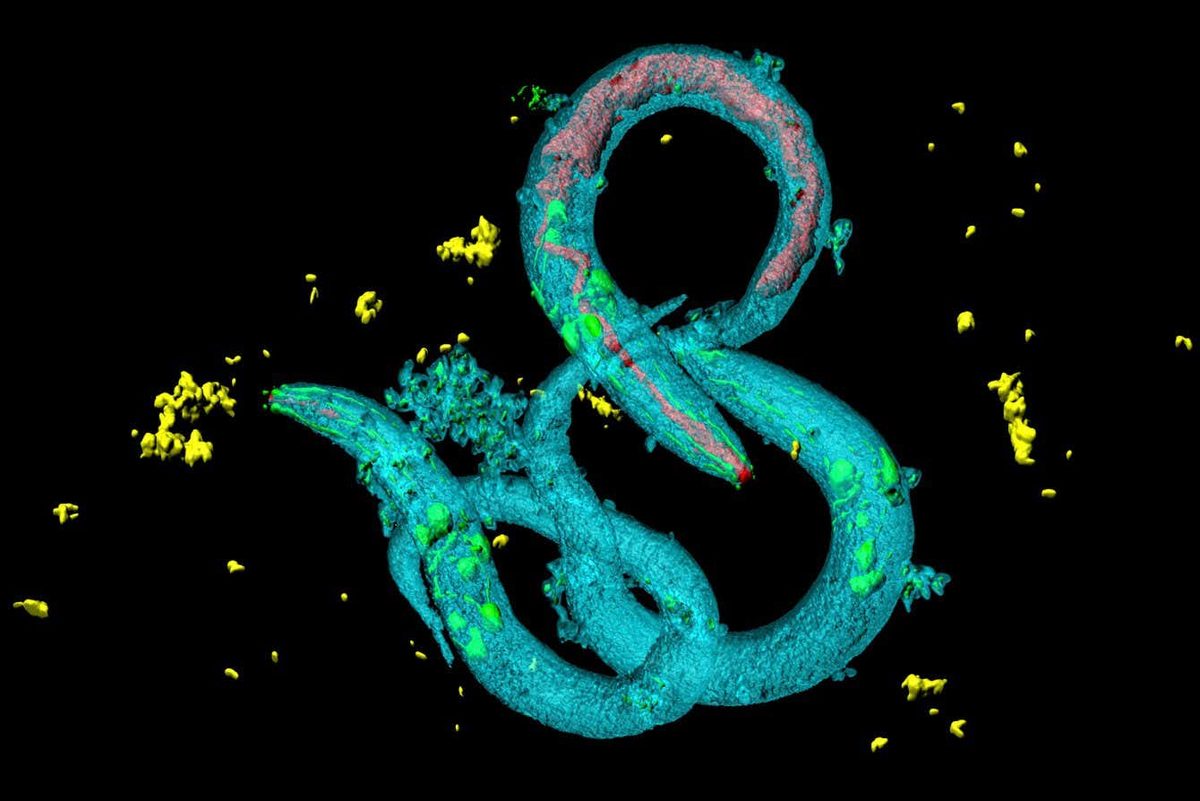
Microplastic pollution has emerged as a pervasive environmental threat, infiltrating terrestrial and aquatic ecosystems globally. Recent scientific findings have uncovered a surprising behavioral adaptation in certain animals exposed to microplastics: a growing preference for consuming microplastic-laden food sources. This phenomenon, observed in nematode worms over multiple generations, underscores the complex and potentially harmful effects of microplastic contamination beyond physical toxicity, extending into ecological interactions and animal behavior.
Key Details
- Researchers studied small nematode worms, a model organism widely used in biological research due to their simplicity and ecological relevance.
- Over several generations, these worms increasingly chose food items contaminated with microplastics instead of cleaner alternatives.
- The preference suggests that microplastics may influence feeding behavior, possibly through altered sensory perception or biochemical pathways.
- This behavioral shift raises concerns about the accumulation of microplastics in food webs and its implications for ecosystem health.
- The study highlights a need for further research into how widespread such behavioral adaptations may be among other species.
Background
Microplastics, defined as plastic particles smaller than 5 millimeters, originate from the degradation of larger plastic debris or are manufactured as microbeads found in cosmetics and cleaning products. These particles have been detected in ocean waters, freshwater bodies, soil, and even the atmosphere, making them virtually ubiquitous pollutants. Their small size facilitates ingestion by a broad range of organisms—from plankton and invertebrates to fish and mammals—potentially leading to physical blockages, chemical toxicity, and bioaccumulation.
While much attention has focused on the direct physical and chemical impacts of microplastics, emerging studies reveal subtler effects, such as changes in behavior and physiology. The nematode worm study contributes to this growing body of evidence by demonstrating that microplastic exposure can alter feeding preferences, which could cascade through ecosystems via altered nutrient cycles and species interactions.
Analysis
The discovery that nematodes prefer microplastic-contaminated food over cleaner options after multigenerational exposure invites several interpretations. One possibility is that microplastics, or the chemicals associated with them, may mimic or interfere with natural chemical cues used by these organisms to identify food sources. This interference could disrupt normal feeding patterns, leading to increased ingestion of contaminated matter.
From an ecological perspective, such behavioral changes might exacerbate the accumulation of microplastics within organisms, potentially leading to enhanced toxic effects and affecting the health and survival of species higher in the food chain. The nematode's altered feeding preference might also affect soil health and nutrient dynamics, as these worms play critical roles in decomposition and soil aeration.
Moreover, the fact that these behavioral changes amplify over generations suggests possible epigenetic mechanisms or selection pressures favoring individuals with altered responses to microplastics. This signals that microplastic pollution could have long-term evolutionary consequences for wildlife, further complicating ecosystem management and conservation efforts.
Conclusion
This study sheds new light on the multifaceted impact of microplastics, revealing behavioral adaptations that may drive increased ingestion of plastic pollutants by animals. The preference shown by nematodes for microplastic-contaminated food after repeated exposure raises alarms about the pervasive reach of plastic pollution and its potential to disrupt ecological balance. Addressing microplastic contamination thus requires comprehensive strategies that consider not only chemical toxicity but also behavioral and evolutionary responses among affected species. Continued interdisciplinary research is essential to unravel the complex interactions between pollutants and ecosystems and to inform effective environmental policies and remediation techniques.