Steve Winter's Iconic Hollywood Puma Photo Sparks Wildlife Corridor Creation
Introduction
For over two decades, photojournalist Steve Winter has dedicated his career to capturing the raw beauty and precarious existence of big cats for National Geographic. Despite his extensive work, Winter didn't professionally photograph an animal until he was 34, a path he never anticipated. “If anybody had said, ‘You're going to work with big cats for 25 years of your career,’ I would have said ‘No, I don't know anything about big cats,’” Winter confessed to Live Science. His journey into wildlife photography was shaped by learning from scientists and local communities, a process he describes as a profound personal transformation.
Key Details
- Steve Winter, alongside his wife Sharon Guynup, has influenced legislation protecting big cats in the U.S.
- Their work exposed the illegal tiger trade at Bangkok's Tiger Temple, leading to its closure.
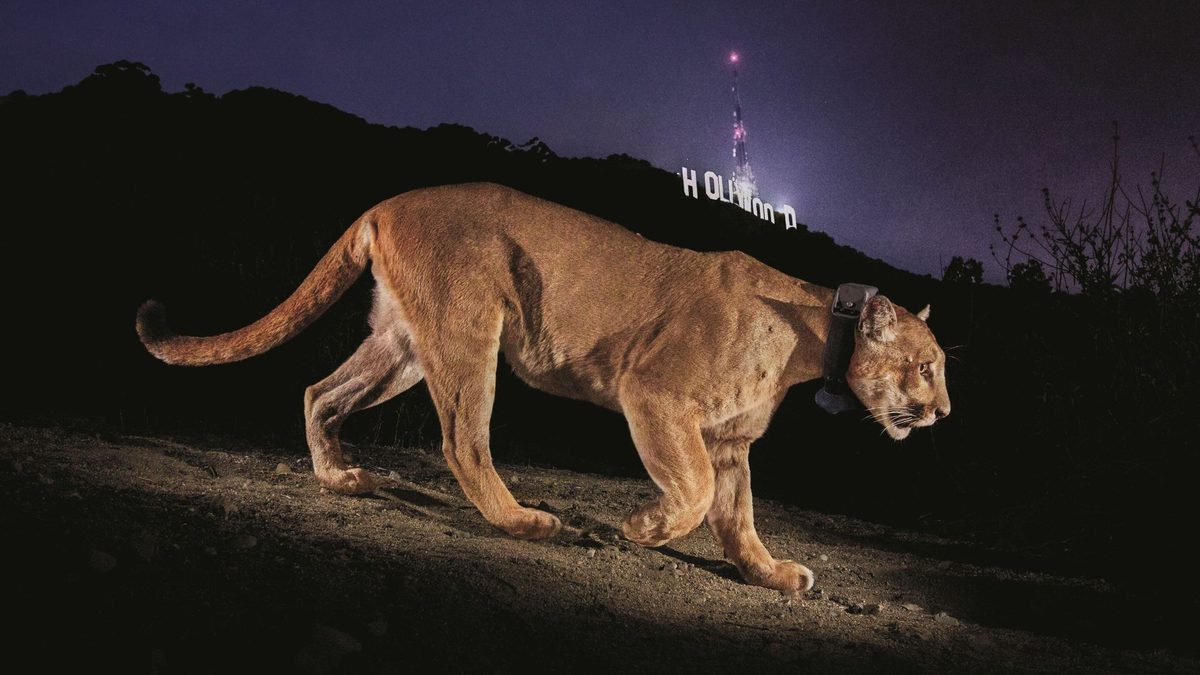
- Winter's iconic photograph of the cougar P-22 beneath the Hollywood sign was instrumental in the creation of the world's largest wildlife crossing over Highway 101 in California.
- Their new book, Big Cats (National Geographic Books, 2026), offers a retrospective of their conservation efforts and insights into the challenges big cats face.
- Winter has received numerous awards, including BBC Wildlife Photographer of the Year, and has been featured on major news outlets.
Background
Winter's career began unexpectedly. He initially learned about wildlife from experts and indigenous knowledge, a collaborative approach that proved crucial. His early work included photographing a quetzal bird in Guatemala, where he had a startling encounter with a black panther outside his remote lodging. This experience, while unnerving, highlighted the inherent wildness he was increasingly drawn to document. His dedication led him to spend months in remote locations, from steamy jungles to high-altitude mountains, to capture intimate portraits of these elusive predators.
“That makes a huge difference to me, because in the end, I know that in taking this [photograph], not only did I succeed beyond my wildest expectations, but it's making a difference in the world.”
Impact Analysis
The photograph of P-22, a cougar living in Los Angeles' Griffith Park, became a symbol of urban wildlife. Winter’s image, showing P-22 silhouetted against the iconic Hollywood sign, resonated deeply with the public, transforming the city's perception of its wild inhabitants. “I've never seen a city be transformed in their love for the fact that they have a mountain lion in a park in the city,” Winter remarked. This public affection spurred a movement to connect fragmented habitats. The resulting Wallis Annenberg Wildlife Crossing, a massive overpass designed to allow animals to safely cross the busy Highway 101, is a direct legacy of P-22's celebrity status. The crossing is set to open in December 2022 and is hailed as the largest of its kind globally.
Beyond P-22, Winter and Guynup’s investigation into the Tiger Temple in Thailand exposed horrific animal abuse and links to the illegal wildlife trade. Their detailed reporting, including video evidence, led to widespread public outcry and government intervention. The Thai authorities, after being inundated with calls, raided the temple, discovering a gruesome scene of tiger carcasses and cubs preserved in jars. This exposé was a critical step in combating the illicit trade in tiger parts.
Furthermore, their work on captive tigers in the U.S. culminated in the passage of the Big Cat Public Safety Act in December 2022. This legislation outlaws the private ownership and breeding of big cats, addressing the issue of speed-breeding cubs for tourism and the exotic pet trade. Winter noted the significance of this legislative victory, stating, “We were part of getting this law passed, which was incredible.”
Broader Context
Winter's career reflects a significant evolution in conservation strategies. He points to the work of scientists like Alan Rabinowitz, who pioneered the concept of wildlife corridors by mapping jaguar movements. This understanding of connectivity—how roads and human development fragment habitats—has become central to modern conservation. “We're talking a lot about connectivity and how roads get in the way. It's like animals are in prison because they can't cross these big freeways or even small ones,” Winter explained. The development of wildlife overpasses and underpasses is a direct response to this growing awareness.
The allure of big cats, Winter believes, lies in their charisma and their role as umbrella species. Protecting them inherently safeguards the ecosystems they inhabit. His pursuit of photographing the elusive Amur tiger, though ultimately unfulfilled due to a devastating distemper outbreak, underscores the unpredictable challenges in conservation. However, he remains inspired by the resilience of these animals and the dedication of local conservationists.
Future Outlook
Winter expresses optimism for the future of big cats, particularly in urban environments like Los Angeles. The new wildlife corridor promises to reconnect populations, allowing animals to traverse safely between vast natural areas, even reaching as far north as San Francisco. This connectivity is vital for maintaining genetic diversity and ensuring the long-term survival of species like the cougar. “The ones that live in the Santa Monica National Recreation Area will be able to cross the 101 and then go all the way to San Jose,” he stated, highlighting the transformative potential of such infrastructure.
Conclusion
Steve Winter's career is a testament to the power of photography to drive significant conservation outcomes. From the iconic image of P-22 under the Hollywood sign to the exposé of the Tiger Temple and the successful push for legislative change, his work has demonstrably impacted the lives of big cats and reshaped public perception. His ongoing commitment, shared with Sharon Guynup, continues to advocate for the protection of these magnificent animals and their habitats, offering a hopeful vision for coexistence between humans and wildlife.
Source: livescience.com