Market Disappointment: U.S. Stocks Slip as Earnings Fall Short
Market Disappointment: U.S. Stocks Slip as Earnings Fall Short
Introduction
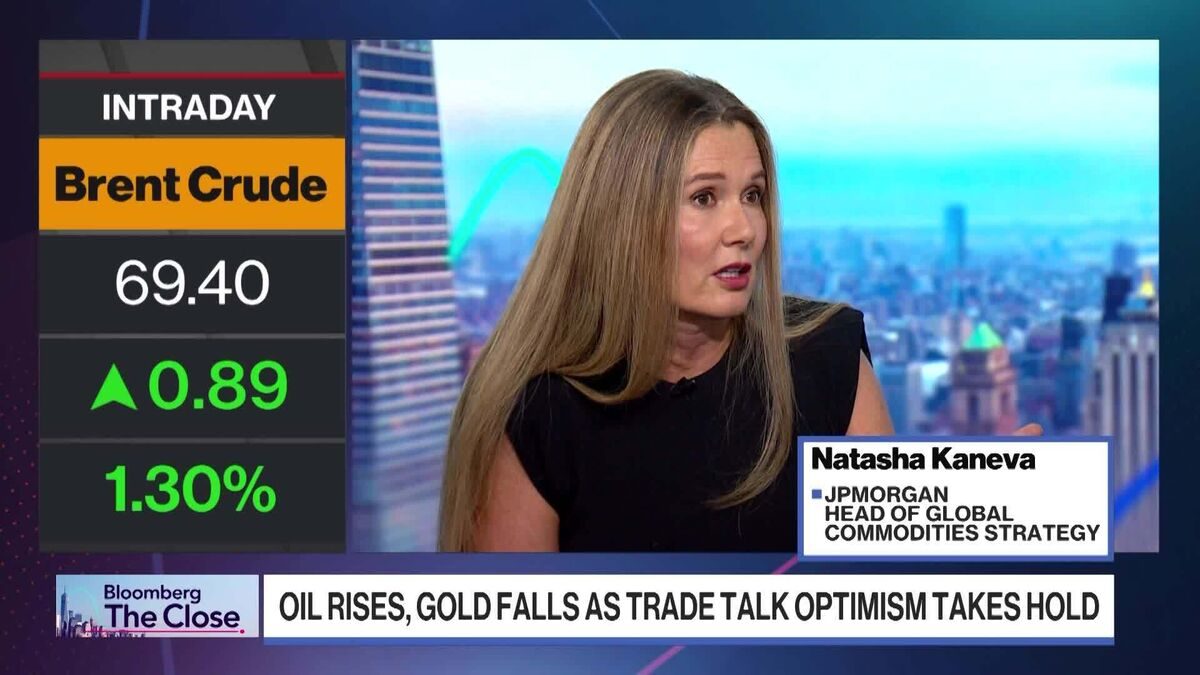
The U.S. stock market recently experienced a notable retreat from its record highs, driven primarily by lower-than-expected corporate earnings reports. The sentiment among investors has shifted, with many expressing concerns over the sustainability of the market rally in light of these disappointing results. Analysts, including Natasha Kaneva from J.P. Morgan, have pointed out that significant geopolitical tensions and low oil inventories are adding layers of complexity to the current economic landscape.
Key Details
- Disappointing Earnings Reports: A number of prominent companies in the technology and energy sectors reported earnings that fell short of analysts' expectations, leading to a broader sell-off in the market.
- Geopolitical Tensions: Heightened tensions involving Russia and Iran have raised concerns about potential disruptions to global supply chains and markets.
- Low U.S. Oil Inventories: Despite low oil inventories, which typically would drive prices up, market positioning has remained neutral, indicating cautious investor sentiment.
- Future Outlook: Analysts predict that September will be a pivotal month for markets, with multiple factors poised to impact investor confidence.
Background
The recent downturn in stock prices comes on the heels of a prolonged rally that saw major indices, like the S&P 500 and the Dow Jones Industrial Average, reach all-time highs. Investors had been buoyed by strong economic data and corporate profits, which seemed to indicate a robust recovery from the pandemic-induced downturn. However, the latest earnings season has brought a sobering reality check, as many companies reported lower-than-anticipated profits, prompting concerns about inflation, supply chain issues, and stagnant growth.
In particular, sectors that thrived during the pandemic, such as technology, have shown signs of vulnerability, with tech giants like Apple and Microsoft missing earnings targets. This has created a ripple effect, leading to a broader market correction as investors reassess their strategies.
Analysis
As Natasha Kaneva explained, the low inventory levels of U.S. oil could typically suggest stronger prices; however, the market has taken a cautious stance. This neutrality in positioning indicates that despite the potential for rising oil prices, investors are wary of the broader implications of geopolitical tensions. The ongoing strife involving Russia and Iran raises alarm bells for many, as the potential for conflict could disrupt oil supplies, further complicating an already delicate economic recovery.
Moreover, investor sentiment is often shaped by perceptions of risk. The combination of disappointing earnings reports and geopolitical instability has led to increased market volatility, prompting some investors to retreat to safer assets, such as bonds and gold. This shift in strategy may lead to a more cautious approach to stock investments in the coming weeks and months.
September is historically a month of volatility for markets, and analysts warn that the combination of earnings reports, economic data releases, and geopolitical developments could create an unpredictable environment. Investors will need to navigate these complexities carefully, weighing the potential for growth against the risks posed by global events.
Conclusion
In summary, the recent dip in U.S. stock markets highlights the fragile state of investor confidence amidst disappointing corporate earnings and ongoing geopolitical tensions. While low oil inventories might indicate a potential for price increases, the market's current neutral positioning reflects a cautious outlook. As we move into September, investors will be closely monitoring earnings reports and geopolitical developments, as these factors are likely to play a significant role in shaping market trends in the near future.