Lodge Cast Iron: 130 Years of Family Legacy and Resilience
Introduction
The story of Lodge Cast Iron is a testament to enduring family legacy, resilience, and adaptability in the face of significant challenges. For six generations, the Lodge family has nurtured a business that began in 1896, transforming a simple cast-iron skillet company into a household name. This enduring dynasty, which recently held its annual shareholder meeting that doubled as a family reunion in Chattanooga, Tennessee, showcases a unique blend of tradition and forward-thinking strategy. The gathering, attended by family members ranging from a 2-year-old to an 88-year-old, underscores the deep roots and continued commitment to the brand that has been a part of their lives for over a century.
Key Details
- Founding and Ownership: Lodge Cast Iron has been owned and operated by the Lodge family for 130 years, spanning six generations since its inception in 1896.
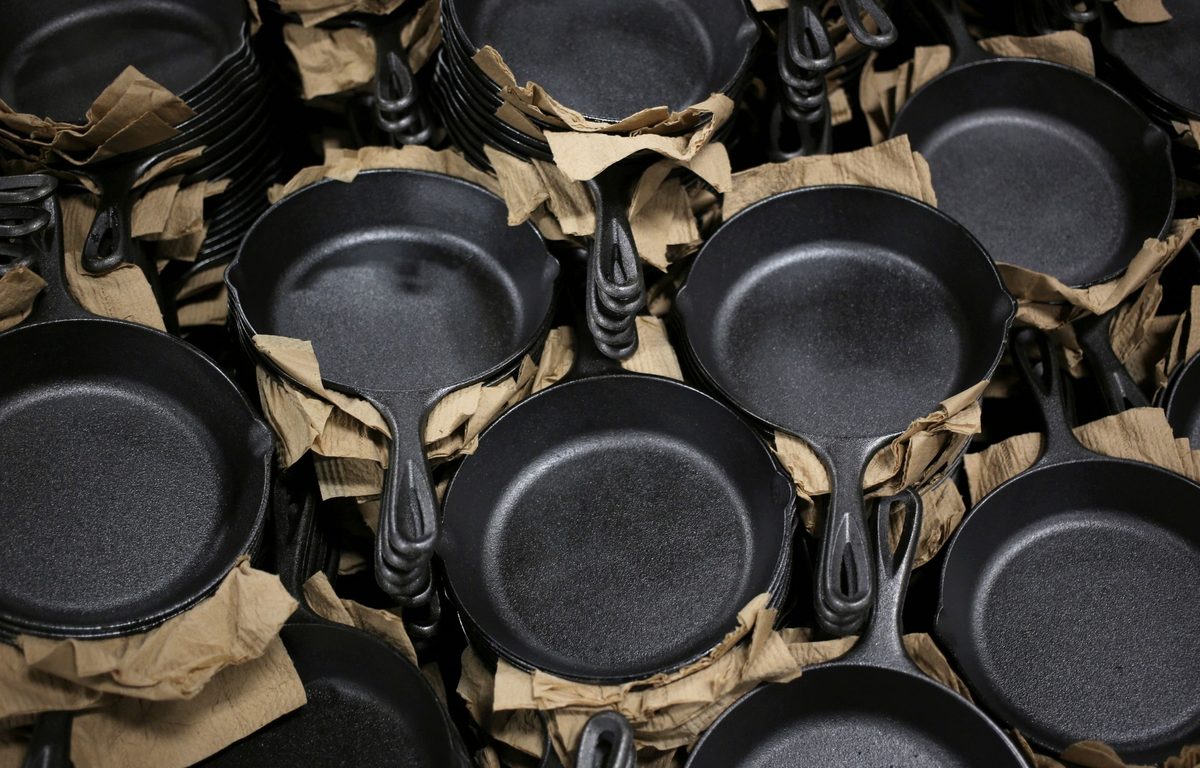
- Near Collapse and Turnaround: The company faced a critical juncture in 1996 when then-COO Henry Lodge harbored private fears of bankruptcy. A significant innovation in 2002, the development of pre-seasoned cast-iron pans, proved to be a pivotal moment, allowing customers to use the products immediately.
- Growth Drivers: Both the 2008 financial crisis and the 2020 pandemic inadvertently boosted demand for Lodge products, as more people turned to home cooking.
- Revenue Surge: Since 2002, the company's revenue has grown more than tenfold, a remarkable expansion attributed to product innovation and changing consumer habits.
- Leadership Transition: Lodge Cast Iron now employs approximately 570 people and is led by its first non-family CEO, Mike Otterman, who was appointed in 2018.
- Family Shareholding: Around 150 family members currently hold shares, with restrictions in place to ensure shares remain within the family, preserving its legacy.
Background
The journey of Lodge Cast Iron began over a century ago, rooted in the industrial heartland of Chattanooga. Joseph Lodge established the company with a vision for durable, high-quality cookware. However, the path to sustained success was far from linear. The late 20th century presented significant hurdles. By 1996, the company was teetering on the brink, a precarious position that cast a shadow over its future. The burden of maintaining a family legacy while navigating the competitive landscape of the cookware industry weighed heavily. It was during this period of uncertainty that a crucial innovation emerged, one that would redefine the user experience and secure the company's future.
Impact Analysis
The introduction of pre-seasoned cast-iron pans in 2002 was a game-changer. Previously, cast iron required extensive preparation, including waxing and hours of baking, before it could be used. Lodge’s solution removed this significant barrier to entry for consumers, making cast iron more accessible and appealing. This innovation directly addressed a key consumer pain point and revitalized interest in a traditional material. The subsequent economic downturns and the global pandemic, while challenging times for many businesses, proved to be unexpected catalysts for Lodge. As lockdowns and social distancing measures became the norm, home cooking surged in popularity. Lodge, with its ready-to-use products, was perfectly positioned to capitalize on this trend, leading to the impressive tenfold increase in revenue since 2002.
“We want to be that indie band who never sells out,” said CEO Mike Otterman, encapsulating the company's commitment to its values and heritage amidst growth.
Broader Context
Lodge Cast Iron’s story is set against the backdrop of evolving consumer preferences and the resurgence of heritage brands. In an era dominated by fast-changing trends and disposable goods, Lodge represents a counter-narrative of durability, quality, and timeless design. The company’s success also highlights the growing appreciation for American manufacturing and the appeal of products with a genuine story. The decision to appoint a non-family CEO, Mike Otterman, in 2018, signifies a mature approach to business management, prioritizing professional expertise while retaining the core family values. This move allows the family to remain as stewards of the brand's legacy through shareholding, while operational leadership is entrusted to experienced management.
Future Outlook
With a strong foundation built over 130 years, Lodge Cast Iron appears poised for continued success. The company’s ability to innovate, adapt to market shifts, and maintain its core identity provides a robust outlook. The ongoing trend of home cooking, coupled with a renewed interest in durable, sustainable products, bodes well for the future. Lodge’s commitment to keeping its shares within the family, while embracing professional management, suggests a balanced approach to growth that respects its heritage. As the company navigates the future, its ethos, as articulated by CEO Mike Otterman, of remaining true to its roots – like an “indie band who never sells out” – will likely continue to resonate with consumers.
Conclusion
Lodge Cast Iron’s 130-year journey from a small family enterprise to a leading cookware brand is a compelling narrative of perseverance, innovation, and unwavering commitment to quality. Surviving near-bankruptcy and capitalizing on unforeseen market shifts, the company has demonstrated remarkable resilience. The strategic introduction of pre-seasoned pans and the surge in home cooking have been pivotal in its growth. By blending a deep-rooted family legacy with modern business practices, including the appointment of a non-family CEO, Lodge Cast Iron has successfully preserved its identity while achieving significant commercial success. Its story serves as an inspiring example of how heritage and adaptability can forge a path to enduring prosperity in the modern marketplace.
Source: entrepreneur.com