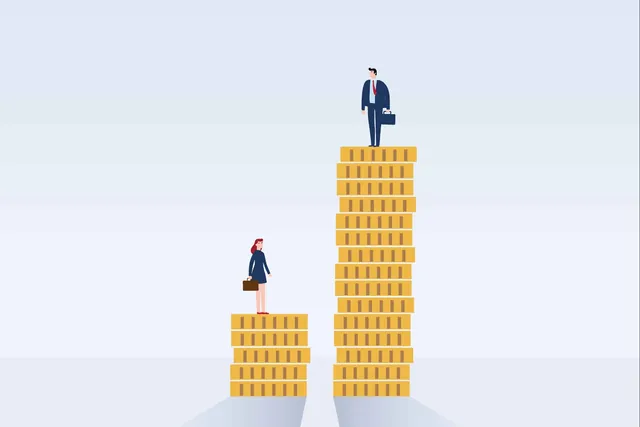
Europe’s Challenge to American Tech Dominance: Striving for Digital Sovereignty

Introduction
Europe finds itself at a crossroads in the global digital landscape. Despite being home to some of the world’s largest economies and a highly skilled workforce, the continent remains heavily dependent on American technology companies for its digital infrastructure. This reliance has sparked increasing unease among executives, policymakers, and cybersecurity experts who worry about the strategic vulnerabilities and economic implications of this dependence.
Key Details
- American technology giants such as Google, Amazon, Microsoft, and Facebook dominate Europe’s cloud computing, social media, and software markets.
- European countries lack a unified strategy and sufficient investment to develop competitive, large-scale digital infrastructure independently.
- Concerns over data sovereignty and privacy have intensified amid geopolitical tensions and regulatory challenges.
- The European Union has launched initiatives like GAIA-X to foster a European cloud ecosystem and reduce reliance on U.S. providers.
- Policy debates continue around balancing innovation, security, and the open nature of the internet.
Background
Since the advent of the internet and the rise of Silicon Valley, American tech companies have established themselves as global leaders in digital technologies. Their platforms power everything from cloud services to social networks, shaping how businesses and consumers operate worldwide. Europe's digital economy, while robust in certain sectors, has struggled to compete at the same scale and speed.
Several factors contribute to this disparity. The U.S. benefits from a culture of venture capital investment, a large unified domestic market, and early adoption of digital innovation. Europe's fragmented regulatory environment, diverse languages, and national internet policies have hindered the development of pan-European digital champions.
Analysis
The current dependence on American technology poses multiple risks for Europe. Strategically, it leaves critical infrastructure vulnerable to external control or disruption. Economically, it means that a significant share of digital value creation and revenue flows out of the continent. From a privacy perspective, European citizens’ data are often subject to U.S. laws and surveillance programs, raising concerns about data protection.
Recognizing these challenges, European institutions and businesses are increasingly advocating for digital sovereignty—a concept aimed at ensuring that Europe controls its own data, digital assets, and technologies. The GAIA-X project exemplifies this approach by creating a federated and secure data infrastructure that aligns with European values and regulations.
However, achieving digital sovereignty is complex. It requires massive investments, cooperation among member states, and a balance between regulation and innovation. There is also the risk that protectionist measures could stifle competition and slow technological progress.
Conclusion
Europe’s quest to break free from American tech supremacy is both a strategic imperative and a formidable challenge. While the continent has the talent and resources to build its own digital infrastructure, it must overcome political, economic, and technological hurdles. The outcome will significantly influence Europe’s role in the future digital economy, its security posture, and the protection of its citizens’ data privacy. As the global tech landscape evolves, Europe’s decisions in the coming years will shape its digital destiny.