HSBC Faces Leadership Challenge as Chair Vacancy Remains Unfilled
HSBC Faces Leadership Challenge as Chair Vacancy Remains Unfilled
Introduction
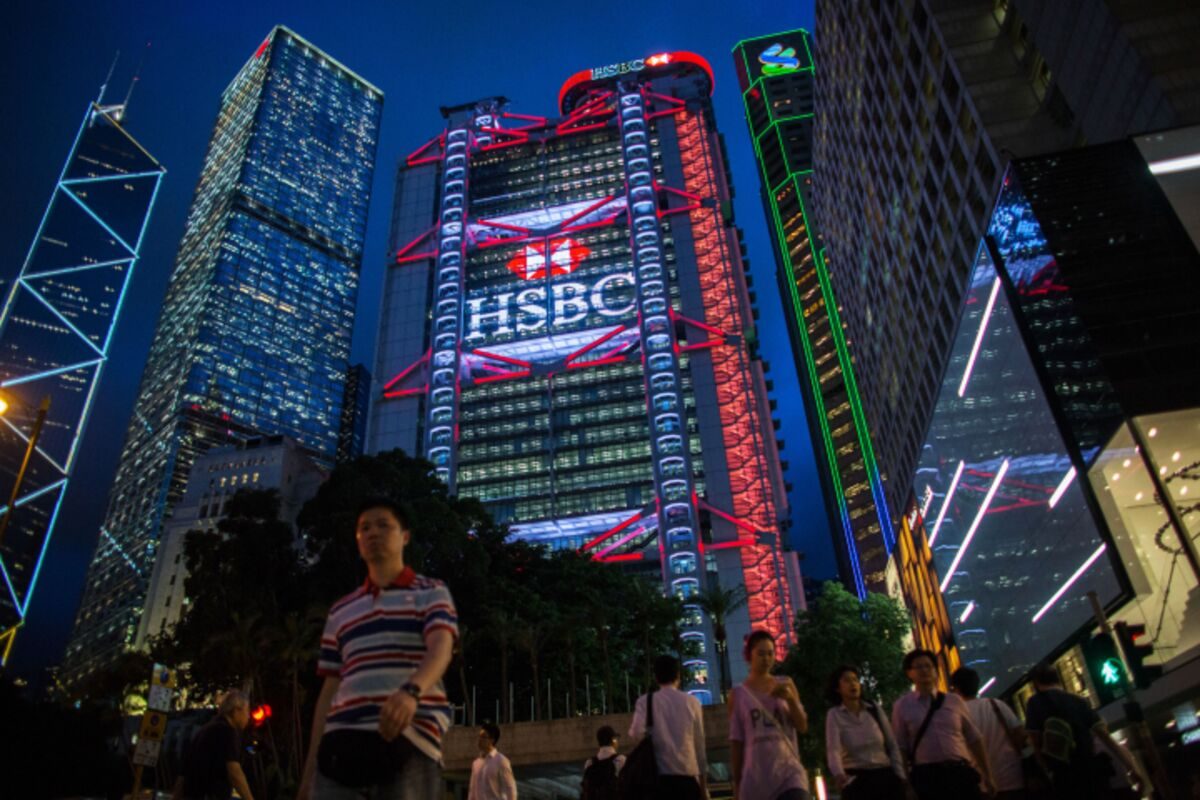
HSBC Holdings Plc, one of the world's largest banking and financial services organizations, is currently grappling with a significant leadership challenge. According to recent reports from the Financial Times, the British multinational bank has renewed its search for a new chairperson after struggling to finalize a shortlist of candidates. This development comes at a critical junction for the bank, which is navigating an increasingly complex global financial landscape and intense regulatory scrutiny.
Key Details
- HSBC has extended its hunt for a new chairperson, indicating difficulties in securing a suitable candidate.
- The shortlist for the chair role has not been finalized, suggesting possible internal disagreements or external candidate hesitations.
- The bank's leadership search reflects broader challenges in the banking sector, including governance pressures and geopolitical complexities.
- HSBC is scheduled to announce its first-quarter results soon, adding financial performance focus to existing leadership issues.
Background
HSBC has long been a key player in global banking with a heritage stretching back to its founding in 1865 in Hong Kong and Shanghai. The bank has traditionally balanced its operations between the East and West, maintaining a strong presence in Asia while headquartered in London. However, in recent years, HSBC has faced mounting challenges including regulatory hurdles, rising compliance costs, and geopolitical tensions, particularly around its business in Greater China.
The chairperson role is pivotal, acting as the interface between the board, management, and shareholders while steering the bank through turbulent markets and complex international relations. The current vacancy follows the departure of the previous chair, increasing uncertainty over the bank’s strategic direction.
Analysis
The struggle to fill the chair position at HSBC underscores several underlying issues. First, there is a shortage of candidates willing or able to navigate the bank's unique challenges—balancing shareholder interests, regulatory demands, and the bank’s strategic pivot towards Asia. The global banking environment has become more volatile, with economic pressures from inflation, interest rate changes, and geopolitical conflicts, such as tensions between the US, China, and Europe, impacting decisions at the highest levels.
Moreover, HSBC’s leadership search reflects broader industry trends where banks are under pressure to improve governance standards and demonstrate stronger oversight. The role demands a leader with not only banking expertise but also diplomatic acumen and the ability to manage risks in a politically charged environment. The difficulties in identifying such a leader highlight how leadership recruitment in major financial institutions is becoming increasingly complex.
Market analysts point out that the prolonged vacancy could affect investor confidence and the bank’s strategic initiatives. Upcoming quarterly results will be closely watched, with stakeholders eager to see how leadership uncertainty may influence financial performance and strategic execution.
Conclusion
HSBC’s renewed search for a chairperson signals ongoing leadership challenges amid a shifting financial and geopolitical landscape. The delay in appointing a new chair reflects the complexity of the role and the high stakes involved in steering one of the world’s largest banks. As HSBC moves forward, the appointment of a capable leader will be crucial in ensuring stability, guiding strategic priorities, and maintaining confidence among investors and regulators alike.
In the meantime, the banking community and market observers will be watching closely to see how HSBC manages this transition and whether it can successfully navigate the multifaceted challenges it faces.