A 2,000-Year-Old Erotic Roman Mosaic Stolen in WWII Finally Returns to Italy
Introduction
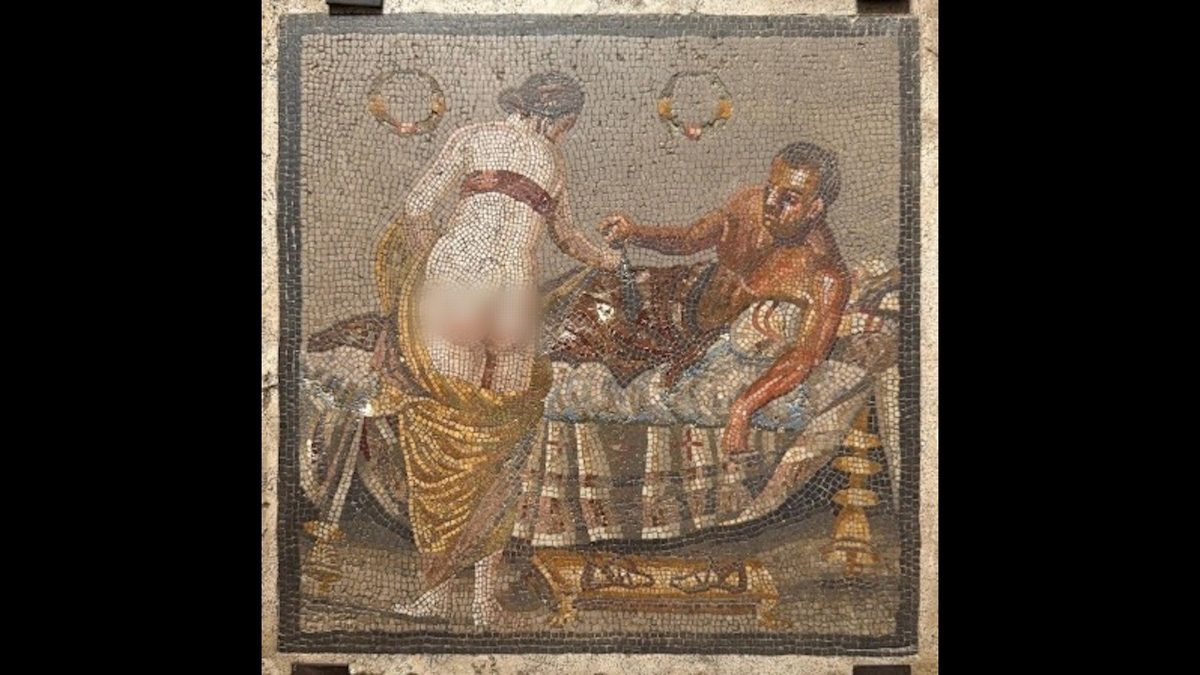
In a significant cultural restitution, an ancient Roman mosaic depicting a sensual scene of two lovers has been returned to Italy after being stolen during World War II. The travertine tile mosaic, which dates back approximately 2,000 years, was initially taken by a Nazi captain involved in Italy’s military supply chain. Its repatriation marks a poignant moment in the ongoing efforts to recover looted artworks and cultural heritage displaced during global conflicts.
Key Details
- The mosaic measures roughly two square feet and is made from travertine.
- It dates from between 100 BCE and 100 CE, placing it in the late Republican to early Imperial period of Roman history.
- The image depicts two half-clothed lovers: a shirtless man reclining and a bare-bottomed woman facing away, typical of bedroom floor mosaics in Roman villas.
- The artifact was stolen by a Nazi Wehrmacht captain in World War II and gifted to a German citizen.
- Following the death of the owner, heirs contacted Italian authorities to return the mosaic.
- Its authenticity was confirmed in September 2023, leading to coordinated efforts by the Carabinieri and the Archaeological Park of Pompeii for repatriation.
- The mosaic likely originated from the area near Mount Vesuvius, an area rich in archaeological finds due to the 79 CE eruption.
Background
The mosaic represents a fascinating artistic theme: domestic love, which began to emerge prominently during the Roman era. As Gabriel Zuchtriegel, director of the Archaeological Park of Pompeii, explains, this marks a shift from the preceding Hellenistic period’s focus on mythological and heroic passions, to more intimate and personal subjects in art.
Such mosaics were often installed in private bedrooms, reflecting the everyday life, social norms, and aesthetics of the Roman elite. The travertine medium and craftsmanship indicate it was a valued decorative piece.
The mosaic’s theft is emblematic of widespread cultural pillaging during World War II. Nazi officers frequently looted artworks and antiquities across occupied territories, many of which remain lost or in private collections. The mosaic’s journey—from wartime theft to eventual return—highlights the complexities and challenges of art repatriation decades after conflicts have ended.
Impact Analysis
The return of this mosaic holds deep symbolic meaning beyond its material value. According to Zuchtriegel, every looted artifact’s repatriation represents a healing wound in cultural history. The damage inflicted by illicit trafficking of antiquities is not purely economic but erodes the historical narratives and identities connected to these objects.
Moreover, this case demonstrates successful collaboration between international authorities, heritage protection units, and local researchers. The mosaic’s recovery serves as a model for ongoing efforts to address the legacies of wartime plunder and return stolen cultural treasures to their rightful homes.
Broader Context
This mosaic’s story is intertwined with the broader history of Pompeii and the catastrophic eruption of Mount Vesuvius in 79 CE, which preserved a snapshot of Roman life. Archaeological discoveries in the region have revealed extraordinary finds in recent years, including vitrified brain matter, victims’ DNA, and texts inside charred scrolls—all contributing to an increasingly vivid understanding of ancient Roman civilization.
The ongoing research conducted by the Archaeological Park of Pompeii and other institutions continues to shed light on the daily lives, art, and culture of the ancient world. Returning looted artifacts enriches this knowledge base and restores cultural heritage that had been fragmented by war and illicit trade.
Future Outlook
While the exact provenance of the mosaic may never be fully determined, experts plan to undertake further archaeometric analyses and examinations to learn more about its origins and context. The repatriation underscores a commitment to preserving and protecting cultural heritage, encouraging similar efforts worldwide.
Continued vigilance is essential to prevent the trafficking of antiquities and to support the restitution of stolen items. This mosaic’s return may inspire other heirs and collectors to come forward, fostering a global culture of respect for historical artifacts and their cultural significance.
Conclusion
The repatriation of this 2,000-year-old erotic Roman mosaic stolen during World War II is a powerful reminder of the enduring impact of cultural heritage and the importance of its protection. Beyond its artistic and historical value, the mosaic serves as a symbol of reconciliation and healing from the wounds inflicted by conflict and illicit looting. As efforts continue to recover displaced artifacts, such returns not only restore history but also reaffirm our shared responsibility to safeguard humanity's cultural legacy.