Groundbreaking Genetic Technique Leads to Healthy Births: A New Dawn for Genetic Disorders
Groundbreaking Genetic Technique Leads to Healthy Births: A New Dawn for Genetic Disorders
Introduction
In a remarkable advancement for genetic science and reproductive health, eight children have been born in the UK using an innovative technique that incorporates genetic material from three individuals. This pioneering method has shown promise in eliminating hereditary diseases, providing hope for many families affected by genetic disorders. This breakthrough not only highlights the potential of modern science to combat hereditary health issues but also raises ethical questions surrounding genetic manipulation and the future of assisted reproduction.
Key Details
- Eight children were born in the UK using a technique involving DNA from three donors.
- The method appears to have effectively prevented the transmission of serious genetic conditions.
- This innovative approach may represent a turning point in how genetic disorders are treated and prevented.
- Experts suggest that this could pave the way for similar applications in other areas of genetic medicine.
- Ethical considerations around genetic manipulation are being debated as technology progresses.
Background
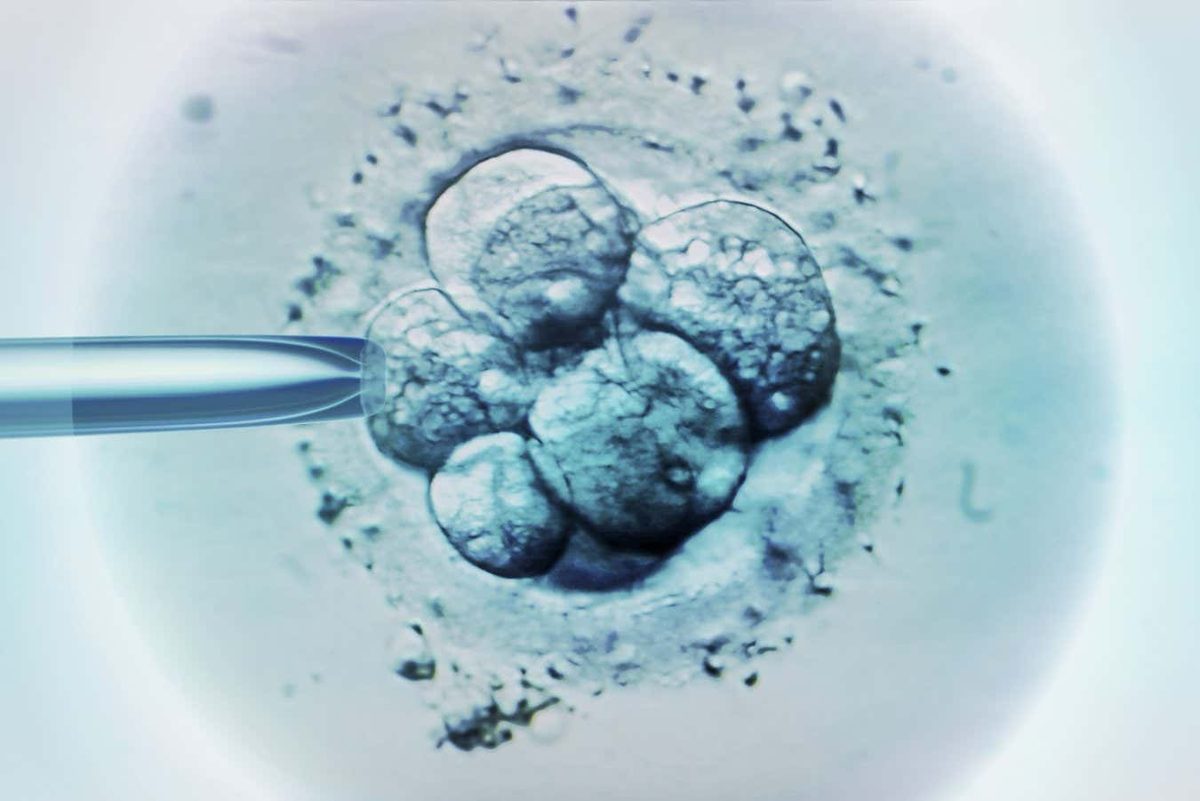
The process, often referred to as mitochondrial replacement therapy (MRT), allows for the combination of nuclear DNA from two parents with mitochondrial DNA from a compatible donor. This is particularly significant for mothers who carry mitochondrial diseases, which can lead to severe health issues in their offspring. Mitochondrial diseases are often debilitating and can result in conditions such as muscle weakness, neurological issues, and even death in extreme cases.
The technique was first developed to address the needs of families with a history of mitochondrial diseases, allowing for the possibility of having healthy children without passing on these hereditary conditions. The ethical implications of such technology have been a topic of intense debate, as discussions continue about the extent to which humans should intervene in genetic processes.
Analysis
The successful births of these eight children serve as a testament to the advances made in genetic research and reproductive technology. With the potential to significantly reduce the incidence of hereditary diseases, MRT could redefine the conversation around genetic health. Families previously plagued by the fear of passing on debilitating conditions now have a greater chance at having healthy children.
However, the implications extend beyond health benefits. This breakthrough could spark a new era in which genetic manipulation becomes more common, leading to a broader dialogue about the ethics and regulations surrounding such technologies. Concerns about 'designer babies' and the potential for socioeconomic disparities in access to genetic treatments are important considerations in this evolving field.
Moreover, the science of genetics continues to evolve rapidly. As researchers refine methods such as MRT, there are opportunities to address a range of genetic disorders that impact countless families worldwide. The ethical landscape of these advancements will require careful navigation to ensure that the benefits of genetic science are distributed equitably and that potential risks are mitigated.
Conclusion
The birth of these eight children in the UK marks a significant milestone in the fight against hereditary diseases. Utilizing DNA from three individuals represents not only a technical achievement but also a leap forward in the understanding of genetic health. As we explore the future of genetic manipulation, it is vital to maintain a balanced perspective that prioritizes ethical considerations alongside scientific progress. The journey toward healthier future generations is just beginning, and society must engage in thoughtful discussions about the implications of these advancements.