Endangered Pacific Pocket Mice Thrive in Marine Corps Base Habitat
Introduction
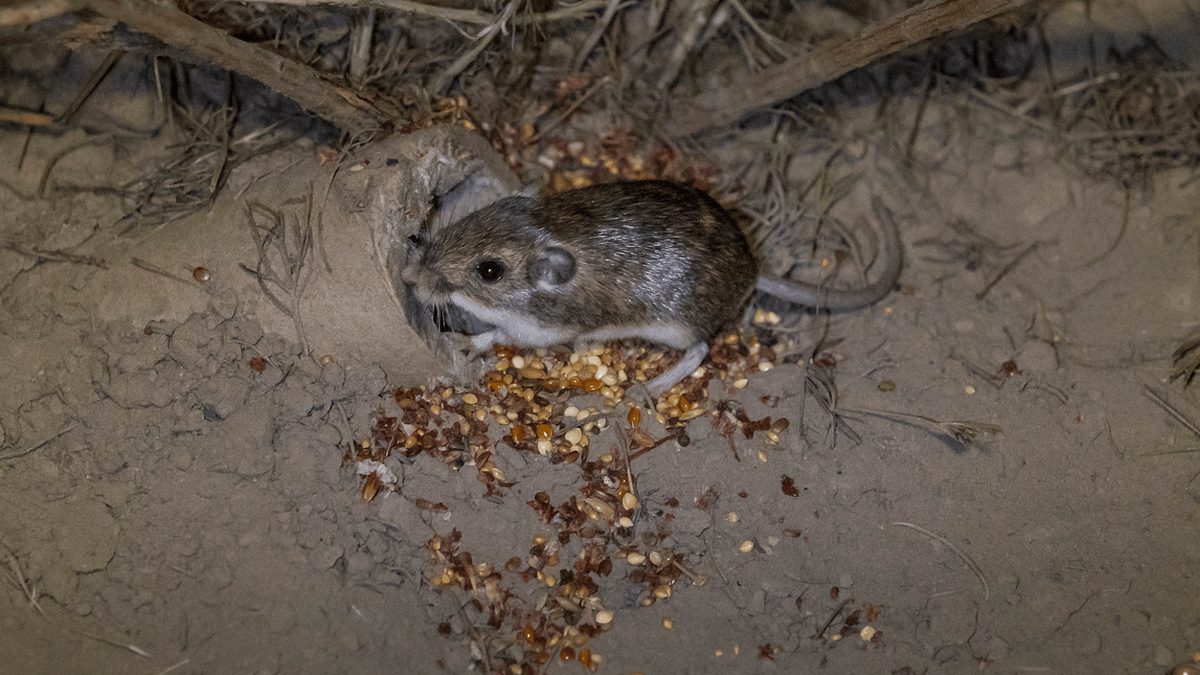
In a remarkable conservation success story, North America’s smallest mammals, the endangered Pacific pocket mouse (Perognathus longimembris pacificus), are making a comeback. Once believed to be extinct, these thumb-sized rodents are now being reintroduced into their native coastal California ecosystems, with a notable recent expansion occurring at a Marine Corps training area. This initiative, spearheaded by the San Diego Zoo Wildlife Alliance and its partners, highlights the critical role of dedicated conservation efforts and the surprising synergy between military lands and biodiversity preservation.
Key Details
- Species: Pacific pocket mouse (Perognathus longimembris pacificus), the smallest mammal in North America.
- Conservation Status: Endangered.
- Recent Reintroduction: A third reintroduced population was established this spring at North San Mateo, a training area within Marine Corps Base Camp Pendleton.
- Reproduction Success: Early signs of reproduction have been documented at the North San Mateo site, with 50 mice provided by the San Diego Zoo Wildlife Alliance to the U.S. Geological Survey (USGS).
- Existing Populations: Two other reintroduced populations are thriving: the Water Tank population in Laguna Coast Wilderness Park and the Wire Mountain population, also on Marine Corps Base Camp Pendleton.
- Population Density: The Water Tank population shows high to very high density, while the Wire Mountain population exhibits medium to high density.
- Conservation Program: Since 2006, the San Diego Zoo Wildlife Alliance has released over 500 Pacific pocket mice into the wild.
- Habitat Expansion: Established populations are now being allowed to expand beyond their original fenced areas, a strategy crucial for resilience, especially in anticipation of potential heavy winter rains associated with El Niño.
Background
The Pacific pocket mouse, weighing about as much as three pennies, once inhabited the coastal regions of Los Angeles and San Diego counties. However, by 1993, the species had vanished so completely that it was presumed extinct. The rediscovery of a small population in Orange County led to its listing as an endangered species. The primary driver of this decline has been the severe loss and fragmentation of its specialized coastal habitat, making the remaining populations vulnerable to inbreeding and environmental pressures.
Impact Analysis
The successful reintroduction and reproduction of the Pacific pocket mouse at Camp Pendleton and other sites are significant victories for the species’ survival. “We’re very encouraged that reproduction has already been documented there,” stated Debra Shier, associate director of recovery ecology for San Diego Zoo Wildlife Alliance. The establishment of new populations not only bolsters the overall numbers but also helps restore crucial ecological functions. These tiny rodents are ecosystem engineers; their burrowing activities improve soil hydrology and nutrient cycling, and their tunnels provide shelter for other small creatures. The expansion of these ecological services is vital for the health of California’s coastal environments.
“Recovery isn’t simply about breeding more mice,” Shier points out. “We need to protect and restore suitable habitat, establish additional populations, and maintain genetic diversity across those populations.”
Broader Context
The involvement of military installations like Marine Corps Base Camp Pendleton in conservation is increasingly recognized as essential for preserving biodiversity. These areas often encompass large tracts of undeveloped land that can serve as crucial refuges for endangered species. The Pacific pocket mouse’s presence on Camp Pendleton underscores the potential for cooperative conservation efforts between government agencies, conservation organizations, and the military. This partnership allows for the protection of sensitive habitats while ensuring that military training activities can continue, demonstrating a balanced approach to land use.
Future Outlook
The strategy to allow established populations to expand, particularly in light of forecasted El Niño rains, is a forward-thinking approach to conservation. “We’ve found that high winter precipitation can be associated with lower overwinter survival, so allowing mice to spread out and settle in a larger area may help make these populations more resilient,” Shier explained. This adaptive management strategy aims to mitigate the risks posed by extreme weather events and habitat limitations. The long-term goal involves not just increasing numbers but ensuring the genetic health and long-term viability of the Pacific pocket mouse across a restored and protected landscape.
Conclusion
The resurgence of the Pacific pocket mouse, particularly its presence and reproduction within the protected environment of Marine Corps Base Camp Pendleton, offers a beacon of hope. It is a testament to the dedication of the San Diego Zoo Wildlife Alliance and its partners. This success story emphasizes that effective conservation requires a multi-faceted approach, including habitat restoration, population management, and strategic expansion, all while acknowledging the potential for conservation on lands managed for other purposes. The future of these tiny, yet ecologically significant, mammals now appears brighter, thanks to these concerted efforts.
Source: popsci.com