Neolithic Baby Carriers Adorned with 350 Dog Teeth Reveal Elite Maternal Roles
Introduction
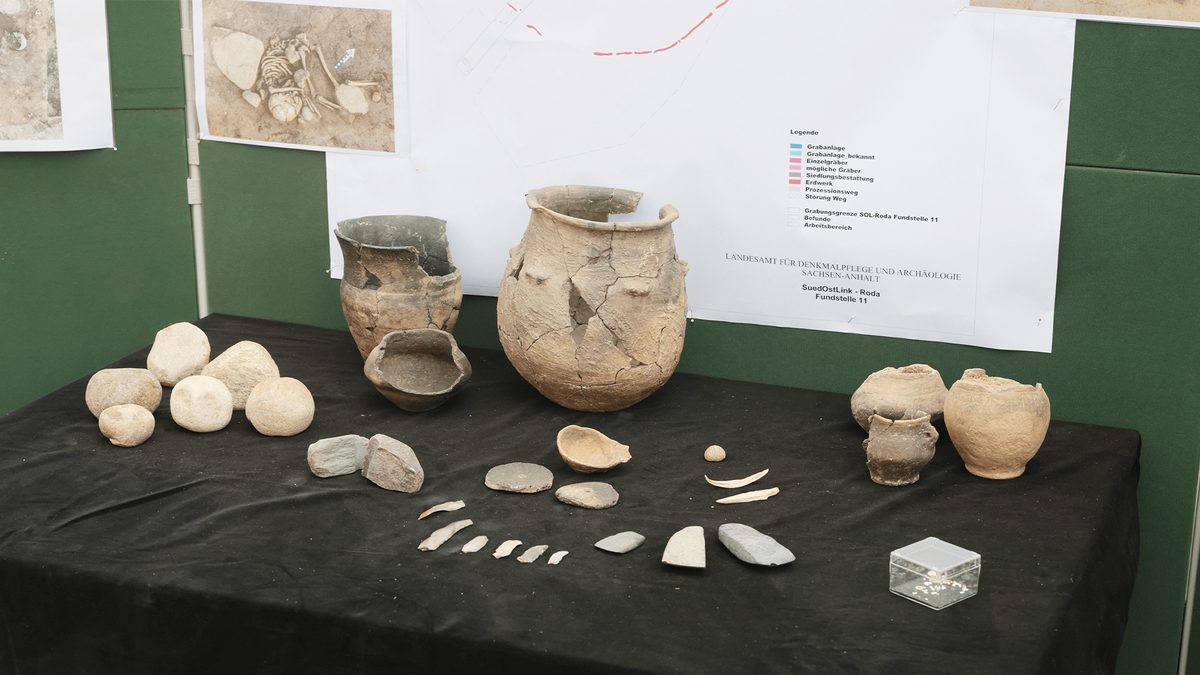
During preparations for a high-voltage power line project in eastern Germany, archaeologists have made a remarkable discovery that offers fresh insights into late Neolithic society. Near the village of Krauschwitz, roughly 53 miles northeast of Dresden, excavation teams uncovered gravesites dating back nearly 4,500 years, belonging to women and infants. These findings, part of a broader survey along the 105-mile SuedOstLink electrical grid route, have revealed rare artifacts that illuminate social structures, gender dynamics, and parenting in the Corded Ware Culture, a prehistoric European community known for its distinctive pottery and burial customs.
Key Details
- The site is managed by the State Office for Heritage Management and Archaeology of Saxony-Anhalt.
- Numerous ancient burials have been identified along the SuedOstLink route, but the Krauschwitz finds stand out due to unique artifacts.
- Researchers discovered leather bags decorated with up to 350 drilled dog teeth arranged in overlapping patterns similar to shingles.
- Each bag measured approximately 11.8 by 7.9 inches and was likely worn slung around the front torso.
- Dog teeth came mainly from animals akin to today’s Small Münsterländer pointers.
- Several bags contained infant bones or were found near infants, including one belonging to a woman who died during pregnancy.
- Infant remains were sometimes wrapped in textiles embroidered with molar teeth, possibly serving a protective function.
- Older burial mounds from the Baalberg Culture (circa 4000 BCE) were also identified nearby, evidencing long-term ritual use of the area.
- A 20-person archaeological team continues to excavate, conserve, and study artifacts through July 2025.
Background
The Corded Ware Culture (circa 2900–2350 BCE) was a widespread late Neolithic culture that stretched across much of northern and central Europe. It is named for its distinctive pottery decorated with cord-like impressions. Archaeologists have long debated the culture’s social organization, gender roles, and child-rearing practices, as physical evidence has often been fragmentary. The new finds from Krauschwitz provide rare material evidence of the role of women and infants through personal items buried alongside them.
Leather bags decorated with drilled dog teeth are exceptional because organic materials rarely survive millennia. The painstaking craftsmanship, involving hundreds of teeth arranged like roof shingles, suggests the bags were significant both practically and symbolically, possibly marking social status. The presence of infant remains associated with these bags indicates they served as baby carriers, a first glimpse into Neolithic maternal practices and the intimate bond between mother and child.
Impact Analysis
The discovery of these elaborate baby carriers challenges prior assumptions about gender and social hierarchy in Corded Ware communities. The investment of time and skill in creating such ornate bags indicates that the women who owned them were likely of high social standing. This contrasts with earlier views that largely focused on male roles in prehistoric societies.
The fact that some bags contained infants’ bones or were placed near infants suggests these carriers were used for both practical childcare and ceremonial purposes. The embroidered textiles with molar teeth wrapped around infants hint at protective rituals, possibly to shield vulnerable babies from harm or malign forces. Moreover, the finding that such baby carriers were personal items, not passed down as heirlooms, adds to our understanding of family dynamics and individual identity during the Neolithic.
These insights into maternal roles enrich the broader narrative of Neolithic life, highlighting the complex interplay between social status, gender, and caregiving. The artifacts also underscore the importance of dogs both as companions and symbolic elements within these communities.
Broader Context
Neolithic Europe was a time of significant social and technological change, marked by the spread of farming, pottery, and complex burial rites. The Corded Ware Culture is especially notable for its widespread impact across diverse regions, acting as a bridge between earlier farming communities and later Bronze Age societies.
The Krauschwitz site also revealed burial mounds attributed to the Baalberg Culture, which predated the Corded Ware by several centuries. Their trapezoidal wooden frame tombs covered in loess sediment highlight a long tradition of funerary architecture and reverence for ancestors in this region. The continuity of burial practices suggests a deeply rooted communal identity and respect for family lineage that transcended cultural shifts over time.
Future Outlook
Archaeologists plan to continue excavations and conservation work at Krauschwitz through July, followed by detailed analyses of the recovered artifacts. These objects are expected to be exhibited in museums, providing the public with tangible connections to Europe’s Neolithic past.
Further interdisciplinary research combining archaeology, anthropology, and material sciences will likely enhance understanding of the Corded Ware Culture’s social fabric, including gender roles, infant care, and symbolic use of animals. The ongoing SuedOstLink project exemplifies how modern infrastructure development can facilitate important archaeological discoveries, bridging past and present narratives.
Conclusion
The discovery of leather baby carriers adorned with up to 350 dog teeth near Krauschwitz represents a unique window into the lives of Neolithic women and children. These intricately crafted objects reveal not only practical aspects of childcare but also the symbolic significance of motherhood and social status within the Corded Ware Culture. As archaeologists continue to study these finds, a richer, more nuanced picture of late Neolithic society is emerging—one that honors the maternal bonds and community values etched into the fabric of prehistoric life.