Exploring the Dark Legacy of Female Robots in Science Fiction
Exploring the Dark Legacy of Female Robots in Science Fiction
Introduction
Sierra Greer's recent triumph at the Arthur C. Clarke Award for her novel featuring Annie Bot—a female robot—has reignited interest in the portrayal of female robots in science fiction. While Annie Bot is celebrated as a groundbreaking character, she is part of a long lineage of female representations in the genre, often marked by unsettling themes of objectification, subservience, and existential dread. This article delves into the history of these characters, examining how they reflect societal attitudes toward gender, technology, and identity.
Key Details
- Sierra Greer's novel, featuring the character Annie Bot, recently received the prestigious Arthur C. Clarke Award.
- Female robots in science fiction have historically been depicted with dark and often troubling narratives.
- The portrayal of female technology often mirrors societal views on women, power dynamics, and autonomy.
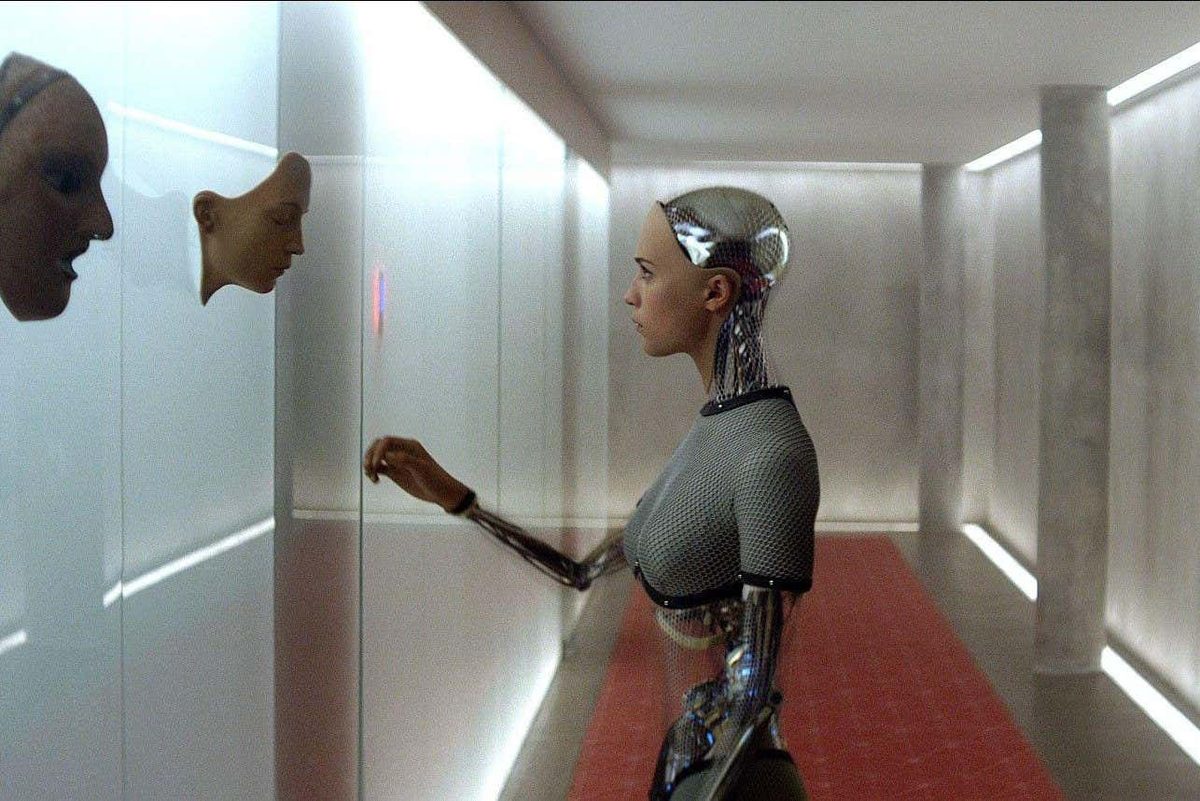
- Notable examples of female robots in literature and film include Maria from *Metropolis*, the replicants in *Blade Runner*, and Pris, as well as the androids in *Westworld*.
- The rise of feminism and discussions of agency have influenced contemporary portrayals of female robots.
Background
The tradition of depicting female robots in science fiction dates back to early 20th century literature. One of the most notable examples is the character Maria from Fritz Lang's 1927 film *Metropolis*, which presented a female automaton as both a seductress and a martyr. This duality reflects the *male gaze* prevalent in the genre, where female figures often symbolize both allure and danger.
Moving into the late 20th century, the replicants in Ridley Scott's *Blade Runner* interrogate themes of humanity and identity. The character Pris, a replicant, challenges the notion of what it means to be alive. Yet, her existence is defined by her utility to men, echoing the historical context of women being valued primarily for their roles in relation to men.
In the current landscape, shows like *Westworld* present a more nuanced view of artificial intelligence and gender. Characters like Dolores and Maeve strive for autonomy, reflecting contemporary feminist ideals. However, even in these narratives, the struggle against objectification remains a central theme, demonstrating that the legacy of female robots is as complex as it is troubling.
Analysis
The history of female robots in science fiction serves as a mirror reflecting societal concerns about technology, gender, and power. As technology advances, the lines between human and machine blur, prompting a reexamination of what it means to be human. The portrayal of female robots often encapsulates a societal fear: that technology could usurp human qualities traditionally associated with femininity, such as nurturing and empathy.
This fear is further complicated by the ways in which female robots are often positioned within narratives. They frequently exist to fulfill male desires or serve as cautionary tales about the dangers of creation and control. In this light, female robots become a projection of societal anxieties surrounding women's liberation and the evolving roles of women in society.
As Greer's Annie Bot emerges within this lineage, she not only inherits these complex narratives but also offers a potential for redefinition. The recognition of her character at a prestigious awards ceremony signals a cultural shift, one that may herald a new era where female robots can be depicted as multifaceted beings with agency, rather than mere reflections of male fantasies.
Conclusion
While Sierra Greer's achievement shines a spotlight on her creation, it is essential to consider the broader implications of female robots in literature. As society grapples with issues of gender, technology, and identity, the representation of female robots will continue to evolve. The legacy of these characters serves as a reminder that as we create new technologies, we must also critically assess the narratives we weave around them. Annie Bot may be a product of imagination, but she embodies real-world complexities that challenge us to rethink our understanding of gender and agency in an increasingly automated world.