Unlocking the Secrets Behind the Longevity of Human Egg Cells
Introduction
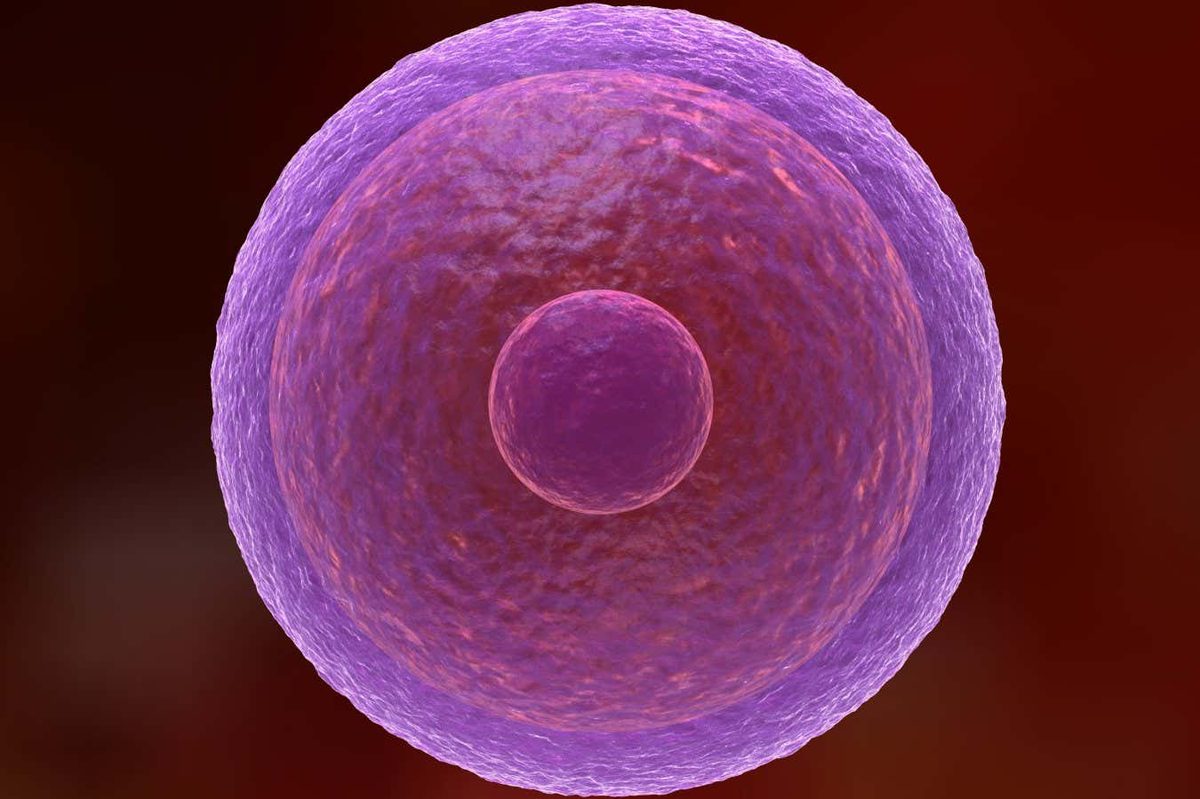
Human egg cells, or oocytes, present a biological paradox. Unlike most cells in the human body that regenerate frequently or have limited lifespans, egg cells are formed early in a female’s life and can remain viable for up to fifty years. This extraordinary longevity is critical for reproduction but poses unique biological challenges. Recent research sheds light on how these cells maintain their integrity and functionality over such an extended period, offering insights into fertility, aging, and cellular biology.
Key Details
- Unique longevity: Egg cells can survive dormant for decades, unlike typical somatic cells with lifespans of days to years.
- Slow cell processes: The cells achieve long life by substantially slowing down their metabolism and cellular activities.
- Protection mechanisms: Eggs utilize specialized DNA repair and antioxidant systems to minimize damage accumulation.
- Implications for fertility: Understanding egg cell longevity may improve treatments for infertility and age-related reproductive decline.
Background
In the human female, oogenesis—the process of egg formation—begins before birth. By the time a girl is born, she has all the oocytes she will ever produce, each arrested in a prolonged phase of meiosis. These eggs remain in a dormant state within the ovaries, sometimes for decades, until they either degenerate or are recruited for ovulation. This contrasts sharply with sperm cells, which are produced continuously throughout a male’s reproductive life.
Maintaining oocyte viability over such an extended quiescent period is a significant biological challenge. Cells are susceptible to DNA damage and oxidative stress, which accumulate with age and can lead to reduced fertility or developmental problems in offspring. Historically, the mechanisms that allow egg cells to remain 'fresh' and functional were poorly understood.
Analysis
Recent studies suggest that the remarkable lifespan of human eggs is largely due to a dramatic slowdown in cellular metabolism and other biological processes. By entering and maintaining a state of arrested development, oocytes minimize the production of reactive oxygen species and reduce DNA replication errors. This metabolic dormancy helps safeguard their genetic material against damage.
Additionally, egg cells appear to possess enhanced repair mechanisms. They maintain elevated activity of certain DNA repair pathways and antioxidant defenses, which combat cellular wear and tear over time. These adaptations collectively help preserve egg quality well beyond what is seen in other cell types.
Understanding these mechanisms not only deepens our knowledge of reproductive biology but also has practical implications. Advanced maternal age is associated with increased risks of infertility, miscarriage, and chromosomal abnormalities in offspring. By unraveling how egg cells endure decades of dormancy, scientists hope to develop therapies that extend reproductive lifespan or improve assisted reproductive technologies.
Conclusion
The longevity of human egg cells represents a fascinating example of biological innovation, allowing reproduction decades after their initial formation. Through metabolic slowdown and robust cellular maintenance, oocytes remain viable for up to fifty years, defying the typical constraints on cell lifespan. Continued research in this area holds promise for addressing age-related fertility challenges and enhancing reproductive health worldwide.