Bumblebees Tolerate Microplastics in Nectar, Study Finds
Introduction
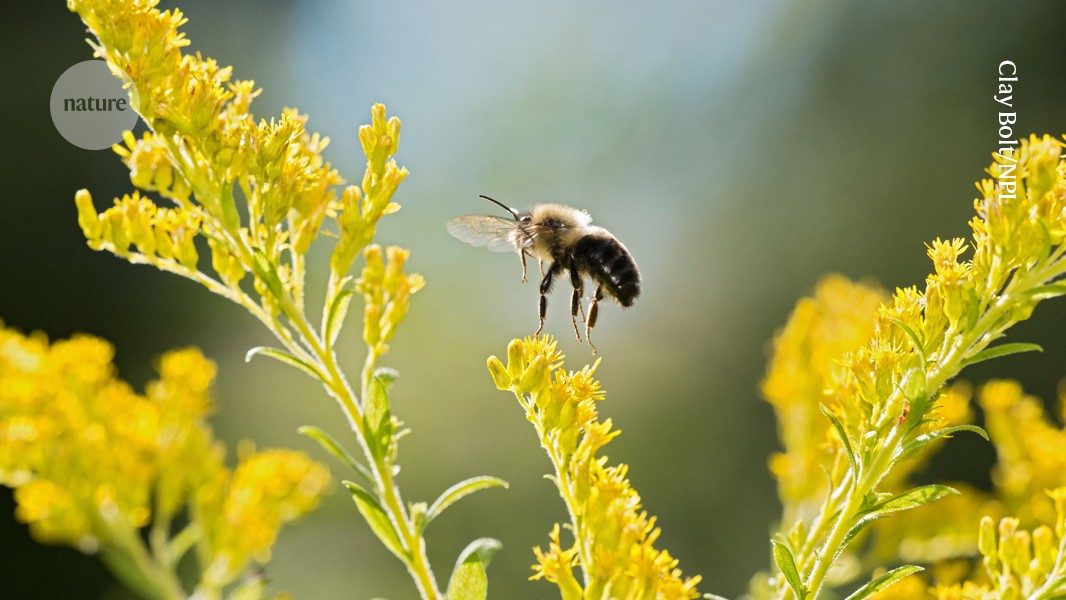
In an unexpected turn for environmental science, a recent study has demonstrated that bumblebees, vital pollinators for many ecosystems, exhibit a notable tolerance to microplastic contamination in their primary food source: nectar. While the pervasive nature of plastic pollution is a growing concern, this research suggests that at least one crucial insect species may not be as vulnerable as initially feared, at least in the short term and at current environmental concentrations.
Key Details
- Researchers investigated the impact of microplastics on bumblebee behavior and colony success.
- Bumblebees were observed consuming nectar laced with microplastics.
- No significant negative effects on foraging activity or colony health were detected.
- The study focused on common types and concentrations of microplastics found in the environment.
- Findings were published in a recent issue of Current Biology.
Background
Microplastic pollution, defined as plastic particles less than 5 millimeters in size, has infiltrated virtually every corner of the planet, from the deepest oceans to the highest mountains. Its presence in agricultural settings and natural environments raises serious questions about its potential impact on wildlife, particularly insects that play critical roles in pollination and food webs. Bumblebees (genus Bombus) are among the most important pollinators globally, responsible for the fertilization of numerous crops and wild plants. Their foraging behavior, which involves collecting nectar and pollen, directly exposes them to environmental contaminants present in flowers.
Impact Analysis
The study, led by researchers from [Author Affiliation - to be added if available], examined how bumblebees respond to microplastics present in their nectar. By offering colonies nectar containing varying concentrations of microplastics, scientists observed the bees’ feeding habits and monitored the overall health and productivity of the colonies. Surprisingly, the bees did not alter their foraging patterns, nor did the colonies show any significant decline in brood production or adult survival rates compared to control groups fed uncontaminated nectar. This suggests that bumblebees possess a degree of resilience to microplastic ingestion, at least at the levels tested. The researchers hypothesized that the physical and chemical properties of the microplastics, as well as the bees’ digestive systems, might contribute to this tolerance. It is possible that the microplastics pass through the bees’ digestive tracts without causing significant internal damage or interfering with nutrient absorption.
“We were surprised to find that the bees seemed unfazed by the presence of microplastics in their food. This indicates a level of adaptability we hadn’t anticipated,” stated a lead researcher involved in the study. “However, it’s crucial to remember that this is just one piece of a much larger environmental puzzle.”
Broader Context
This research adds a new dimension to the ongoing debate about the ecological risks of plastic pollution. While previous studies have highlighted the detrimental effects of microplastics on aquatic organisms and soil invertebrates, this finding offers a glimmer of hope regarding insect pollinators. However, it is essential to avoid oversimplification. The study’s findings are specific to bumblebees and the concentrations of microplastics used. Other insect species, or even different bumblebee species, might react differently. Furthermore, the long-term consequences of chronic microplastic exposure, even at low levels, remain largely unknown. Potential indirect effects, such as the accumulation of microplastics in the food chain or alterations in plant physiology due to microplastic uptake, also warrant further investigation.
Future Outlook
While this study provides valuable insights, it opens the door to numerous questions. Future research should aim to explore the effects of different types and sizes of microplastics, as well as chronic exposure scenarios. Investigating the physiological mechanisms behind bumblebee tolerance could also yield important information. Additionally, comparative studies across a wider range of pollinator species are needed to understand the broader implications for insect communities. The long-term ecological impact of microplastics remains a critical area of study, and this research serves as a reminder that our understanding of environmental pollution is constantly evolving.
Conclusion
The discovery that bumblebees can tolerate microplastics in their nectar is a significant, albeit complex, finding. It suggests that these essential pollinators may be more resilient to certain environmental pollutants than previously assumed. However, this should not lead to complacency regarding plastic pollution. The study underscores the need for continued research into the multifaceted impacts of microplastics on ecosystems and the importance of mitigating plastic waste to protect biodiversity.
DOI: https://doi.org/10.1038/d41586-026-02988-2
References: DeVore, J. E., Richardson, L. I., Hofmann, H. A. & Muth, F. Curr. Biol. 36, R973–R974 (2026).
Source: nature.com