Six Sea Lions Devour 90% of Steelhead Fish at Seattle’s Ballard Locks, Sparking Historic Wildlife Conflict
Introduction
In the early 1980s, a seemingly straightforward conflict at the Ballard Locks in Seattle became one of the most emblematic and challenging wildlife management cases in U.S. history. California sea lions, federally protected marine mammals, congregated at the locks—an artificial fish passage—feeding voraciously on steelhead trout runs. This conflict between protecting marine mammals and safeguarding fish stocks escalated into a decades-long confrontation involving innovative deterrent tactics, public drama, political pressure, and ultimately legislative reform.
Key Details
- California sea lions weighed up to 700 pounds and fed at the Ballard Locks during steelhead trout migration.
- Only six individual sea lions were responsible for consuming 90% of steelhead fish caught at the locks.
- Nonlethal deterrents such as seal bombs, acoustic devices, and killer whale recordings failed to keep sea lions away.
- The Marine Mammal Protection Act initially prohibited lethal control of these protected species.
- A 1994 amendment allowed regulated lethal removal under strict oversight after years of failed nonlethal methods.
- The sea lions were eventually relocated to California waters, but many returned to Seattle.
- By the mid-1990s, the steelhead population at the Ballard Locks was effectively destroyed.
- Similar conflicts with sea lions continue on the Columbia River, with over 400 animals removed mostly by lethal injection between 2008 and 2023.
Background
The Ballard Locks, a vital part of the waterway system connecting Puget Sound to Lake Union and Lake Washington, feature fish ladders designed to aid migrating salmon and steelhead trout. However, these structures inadvertently created "pinch points"—concentrated locations where fish congregate and become easy prey. California sea lions discovered this all-you-can-eat buffet and began to exploit it, posing a significant threat to fish populations important to local fisheries, tribal communities, and state ecology.
Steve Jeffries, a marine mammal biologist with the Washington Department of Fish and Wildlife, led early efforts to manage the burgeoning sea lion population at the locks. His team documented behavior, fish consumption rates, and individual sea lion identification, finding that a small group of clever sea lions were responsible for most of the fish predation. The challenge was compounded by the protections afforded to marine mammals under the Marine Mammal Protection Act, which prohibited harming or killing sea lions.
Impact Analysis
The impact of the sea lion predation on the steelhead run was severe and rapid. Unlike other fish population declines on the East Coast with multifactorial causes, the West Coast officials attributed the steep decline primarily to pinniped predation. The steelhead trout is Washington’s state fish and holds cultural and subsistence importance for indigenous tribes. The collapse of the urban steelhead run at the Ballard Locks represented both an ecological and cultural loss.
The failure of multiple nonlethal deterrents underscored the intelligence and adaptability of the sea lions. Devices like seal bombs (firecrackers designed to startle), underwater acoustic deterrents, and even playback of killer whale calls were quickly countered by the pinnipeds. Public fascination with the sea lions grew, with residents and tourists creating a fan culture celebrating these "wily" animals outsmarting officials. Meanwhile, fishery and wildlife managers faced intense criticism from both sides: those frustrated by the lack of effective control and animal rights advocates opposing lethal measures.
Broader Context
This conflict highlighted tensions inherent in wildlife conservation laws. The Marine Mammal Protection Act was groundbreaking legislation intended to prevent the exploitation and decimation of marine mammal populations. However, it did not foresee scenarios where recovered marine mammal populations might conflict with other ecological or economic interests. Unlike the Endangered Species Act, which allows delisting and controlled hunting once populations stabilize, the Marine Mammal Protection Act offered no mechanism for population management once pinnipeds recovered.
The events at Ballard Locks spurred a national debate on how to balance conservation with fisheries management. The 1994 amendment to the Marine Mammal Protection Act introduced the possibility of lethal removal but under stringent conditions, including detailed documentation and an oversight committee representing diverse stakeholders. The amendment was controversial and politically charged, reflecting deep divisions among conservationists, fishery managers, politicians, and the public.
Future Outlook
Following the amendment, Washington state officials obtained lethal removal authorization in 1996. However, lethal control remained a last resort due to political sensitivities and public opposition. The relocated sea lions' eventual return to Seattle underscored the challenges of managing highly mobile marine mammals. Meanwhile, similar sea lion predation problems continued on the Columbia River, leading to the removal of hundreds of animals mainly via lethal injection.
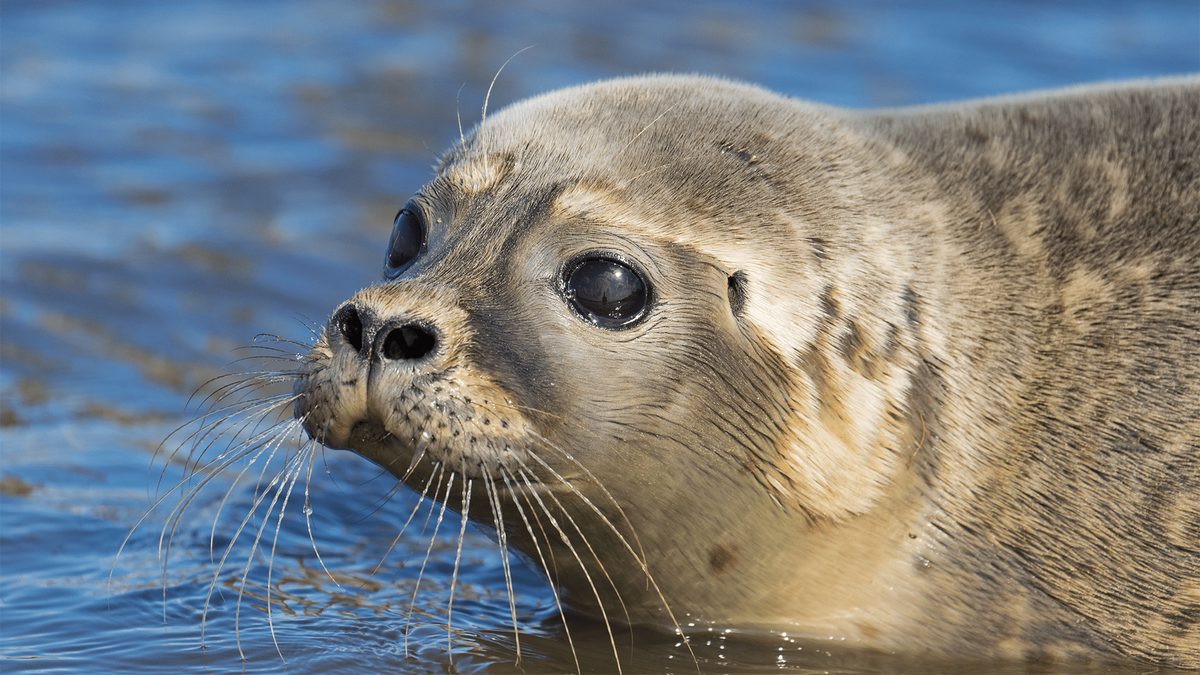
More recently, harbor seals have emerged as new predators at the Ballard Locks, signaling that marine mammal-fish conflicts persist and evolve. Ongoing management efforts must navigate complex ecological dynamics, legal frameworks, and public sentiment. The Ballard Locks saga serves as a cautionary tale about unintended consequences in ecosystem interventions and the need for adaptable wildlife management policies.
Conclusion
The saga of sea lions at Seattle’s Ballard Locks encapsulates a multifaceted wildlife conflict where animal intelligence, conservation laws, fishery sustainability, and public opinion collided. The six sea lions responsible for 90% of steelhead fish predation forced officials to rethink long-standing protections and implement unprecedented legislative changes. Despite efforts spanning decades—including deterrents, relocations, and legal battles—the steelhead run was lost, and the conflict reverberates today. This story underscores the complexity of managing recovered marine mammal populations in human-dominated landscapes and highlights the delicate balance required to protect both wildlife and fisheries.