Beavers Restore Vital Waterways in Utah, Boosting River Health by 2023
Introduction
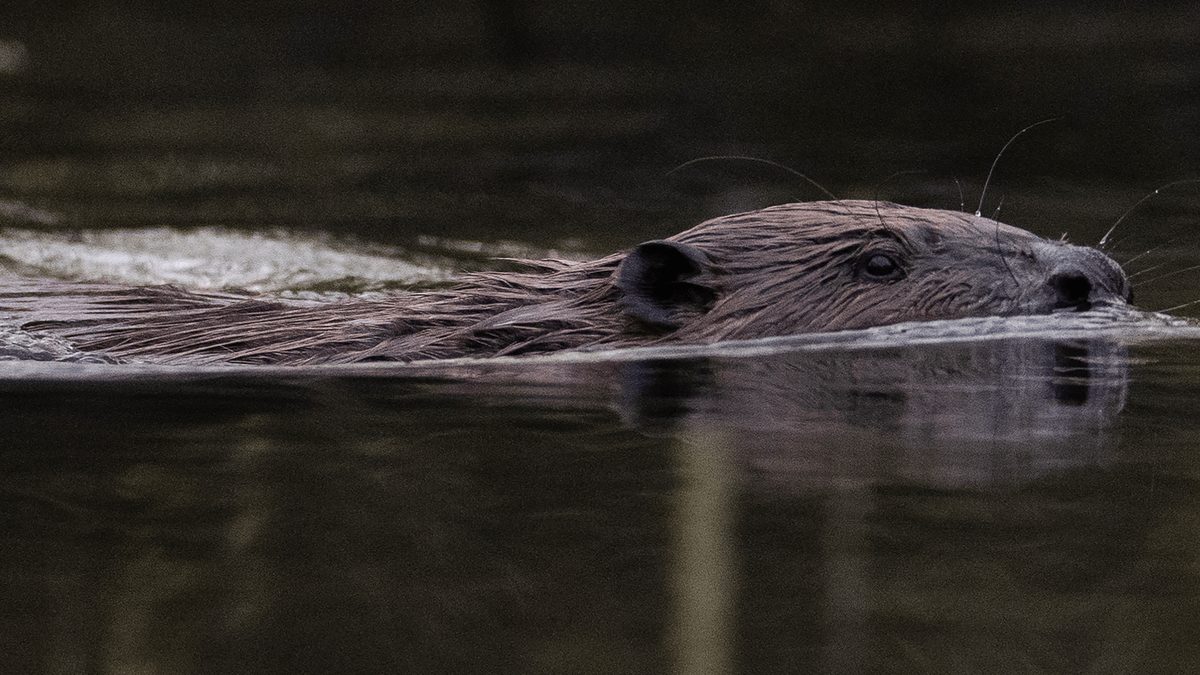
In the arid landscapes of Eastern Utah, a novel conservation effort has turned to an unlikely ally: beavers. Renowned as nature’s engineers, these industrious rodents have been translocated to two struggling desert rivers—the San Rafael and Price Rivers—to restore critical habitats and improve water retention. This initiative, started in 2019, has yielded tangible ecological benefits by 2023, demonstrating the power of natural solutions to complement or even surpass traditional restoration methods.
Key Details
- Starting in 2019, 47 beavers were relocated from nuisance areas to the San Rafael and Price Rivers.
- The beavers constructed new dams in places where dams had not been previously observed.
- Some beavers moved up to 20 km downstream but continued contributing to river restoration.
- By 2023, the number of beaver dams had increased, supporting wetland formation and habitat complexity.
- Beaver activity complemented human-built beaver dam analogs (BDAs) designed for environmental restoration.
- The project is supported by Utah State University researchers and the US Fish and Wildlife Service.
Background
Desert rivers in Utah face severe ecological degradation due to human activities such as dam construction, reservoir creation, and water diversions that reduce natural flow and disrupt habitats. These impacts threaten native flora and fauna dependent on riparian ecosystems. Beavers, by damming streams and felling trees, naturally create wetlands that conserve water, slow runoff, and enhance biodiversity. According to the US Fish and Wildlife Service, beavers represent one of the most sustainable and cost-effective tools for ecological restoration and climate resilience.
Utah State University graduate student Emma Doden, part of the initial research team, observed that after the beavers were introduced, dams appeared in new locations, indicating successful establishment and ecosystem engineering. Although some translocated beavers did not remain, those that did have significantly influenced habitat dynamics.
Impact Analysis
The project’s success illustrates the ecological value of beavers beyond their traditional nuisance status. Beavers’ dam-building activities increase water retention in soils and surface reservoirs, mitigating drought effects and helping maintain stream flows critical for wildlife and plant communities. Their dams create wetland habitats that support amphibians, birds, and fish, improving overall biodiversity.
Human-engineered solutions such as heavy machinery and government restoration programs often come with high costs and can disrupt ecosystems. In contrast, beavers provide a low-cost, self-sustaining alternative that adapts dynamically to environmental conditions. Behavioral ecologist Julie Young noted that beavers have even enhanced areas with pre-existing beaver dam analogs, affirming their role as natural ecosystem engineers.
“What heavy machinery and government programs couldn’t do, a few rodents pulling sticks through the mud did better.” – National Parks and Forests Supporters
Broader Context
This project aligns with a growing recognition worldwide of the importance of leveraging natural processes in conservation. Ecosystem engineers like beavers, elephants, and even invasive species like goats are increasingly understood as vital to restoring degraded landscapes. This approach represents a shift from solely human-controlled interventions toward facilitating nature’s own mechanisms.
The success in Utah echoes similar findings in different regions where beaver reintroduction has reversed stream degradation and improved aquatic habitats. As climate change intensifies droughts and water scarcity, such nature-based solutions may become indispensable tools for maintaining ecosystem services and biodiversity.
Future Outlook
Continued monitoring and adaptive management will be crucial to ensuring the long-term success of beaver-assisted restoration. Expanding the program to other degraded waterways could help scale up benefits across the arid West. However, balancing human interests with beaver populations, especially in agricultural or urban contexts, will require thoughtful policy and community engagement.
Further research into the interactions between beavers and existing restoration structures like BDAs can optimize combined strategies. As funding bodies and conservationists recognize the cost-effectiveness of these methods, support for similar projects is likely to grow.
Conclusion
The Utah beaver translocation project offers a compelling example of how a small number of animals can have outsized impacts on ecosystem health. By harnessing the natural behaviors of beavers, conservationists have improved water retention, created richer habitats, and enhanced climate resilience in vulnerable desert river systems. This underscores the potential for embracing nature’s own engineers in restoration efforts worldwide.