Soil Depletion in the Alps: A Consequence of Centuries of Agricultural Practices
Soil Depletion in the Alps: A Consequence of Centuries of Agricultural Practices
Introduction
The picturesque landscapes of the Alps, known for their stunning views and rich biodiversity, are now facing a pressing ecological crisis. Over the past 4,000 years, extensive ranching and farming have significantly accelerated soil erosion in this mountainous region. The implications of this degradation are not merely environmental but threaten the very fabric of the Alpine ecosystem. This report delves into the factors contributing to this situation and examines its broader implications for the environment and local communities.
Key Details
- Historical Context: Agricultural practices in the Alps have evolved over millennia, with significant changes occurring during the past 4,000 years.
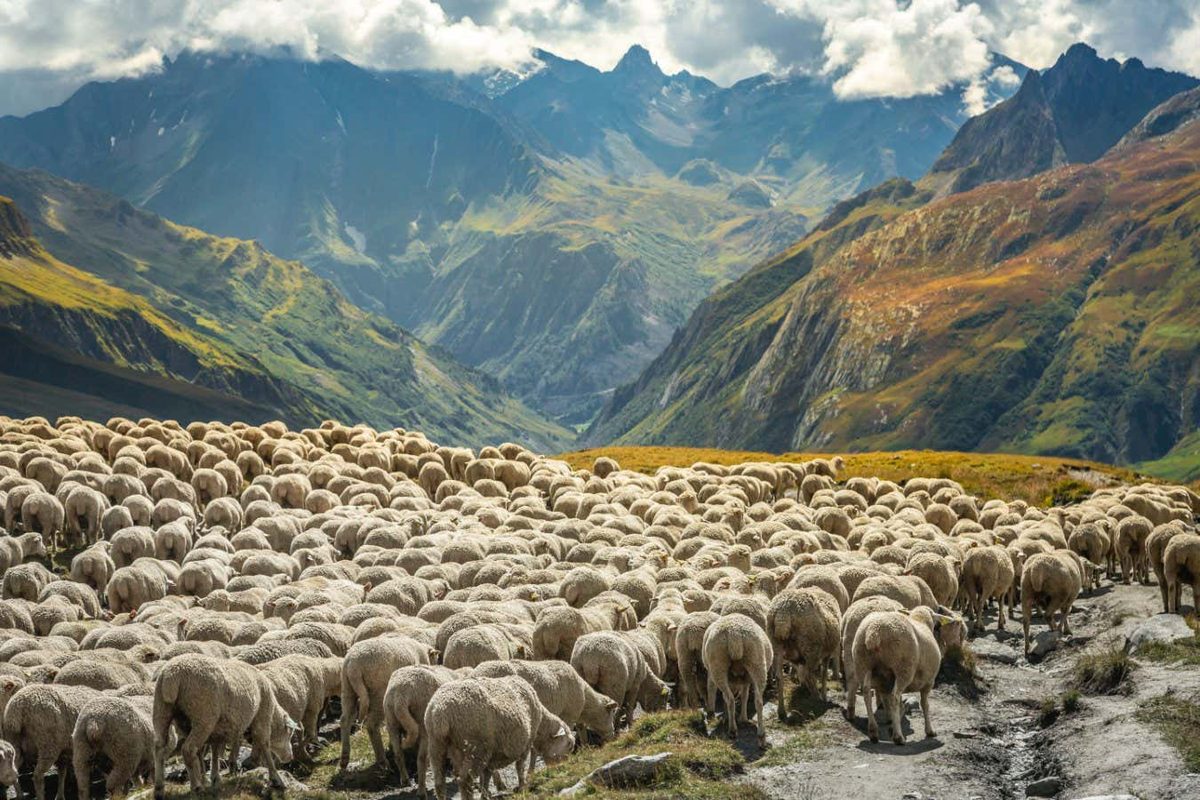
- Impact of Grazing: Livestock grazing has been identified as a primary contributor to soil erosion, compacting the earth and reducing its ability to retain moisture.
- Soil Composition: The unique soil composition of the Alps is particularly vulnerable to erosion, exacerbated by the lack of protective vegetation.
- Environmental Consequences: The loss of soil leads to diminished agricultural productivity, threatening food sources for local populations.
- Future Risks: Continued erosion increases the risk of landslides and other natural disasters in the region, endangering both wildlife and human settlements.
Background
The Alps have been a vital area for human settlement and agricultural development for thousands of years. Initially, small-scale farming and animal husbandry were conducted sustainably, allowing for a symbiotic relationship between humans and nature. However, the introduction of more intensive agricultural practices over the years has led to significant changes in land use, including deforestation and overgrazing.
As livestock numbers rose, the pressure on the land increased. Grazing animals, such as sheep and cattle, can cause substantial damage to the soil structure. Their hooves compact the earth, reducing porosity and water infiltration, which are essential for healthy soil. Moreover, the removal of vegetation leaves the soil exposed to wind and water erosion, resulting in a cycle of degradation that is increasingly hard to break.
Analysis
The current state of soil erosion in the Alps is a microcosm of broader global environmental issues. As climate change continues to exert pressure on ecosystems, the degradation of soil becomes an even more critical challenge. The Alps, with their unique climatic conditions and biodiversity, are particularly sensitive to these changes. The loss of topsoil not only affects agriculture but also disrupts the intricate balance of local ecosystems.
Furthermore, soil health is closely linked to water quality. Eroded soil can lead to sedimentation in rivers and streams, impacting aquatic life and drinking water sources for communities. The degradation of soil also has socio-economic ramifications; as agricultural productivity declines, local farmers face economic challenges, which may lead to a decrease in population as younger generations leave for urban areas in search of better opportunities.
In light of these challenges, sustainable agricultural practices must be prioritized. Techniques such as crop rotation, agroforestry, and the restoration of natural vegetation can help mitigate soil erosion. Additionally, policies aimed at promoting sustainable land use and conservation efforts are essential to protect these fragile ecosystems from further degradation.
Conclusion
The alarming rate of soil erosion in the Alps serves as a stark reminder of the consequences of human activity on the environment. As we move forward, it is crucial to recognize the interconnectedness of agriculture, ecology, and community well-being. By adopting sustainable practices and prioritizing soil health, we can protect the Alpine environment for generations to come, ensuring that this remarkable landscape continues to thrive amidst the challenges of modern agriculture.