Scientists Engineer Gut Bacteria to Combat Kidney Stones by Modifying Human Microbiome
Introduction
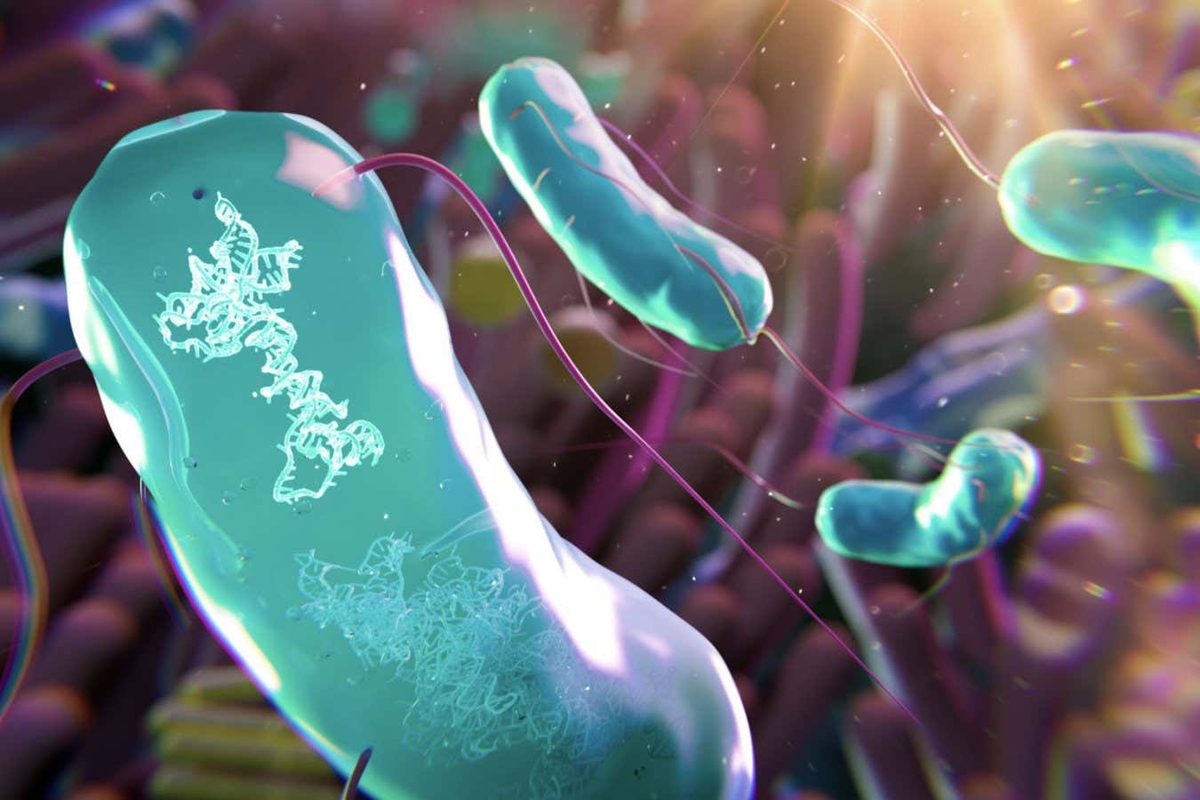
Kidney stones affect millions worldwide, causing severe pain and often requiring invasive treatments. In a promising breakthrough, scientists have turned to the human gut microbiome—home to trillions of microbes—as a potential target to prevent kidney stone formation. By genetically engineering gut bacteria to absorb compounds that contribute to the formation of kidney stones, researchers are exploring novel therapeutic avenues that could reduce disease incidence and improve patient outcomes.
Key Details
- Genetic engineering: Researchers have modified specific gut bacteria to enhance their ability to consume oxalate and other stone-forming compounds.
- Microbial survival: Engineered microbes are designed to thrive within the highly competitive and complex gut environment.
- Potential applications: This approach could lead to probiotic treatments that prevent kidney stones, reducing the need for surgery or medication.
Background
Kidney stones are hard deposits formed from minerals and salts, most commonly calcium oxalate. Their formation is linked to elevated levels of oxalate in the urine, which can crystallize and form stones. Traditional treatment focuses on pain management, surgical removal, or dietary adjustments to reduce oxalate intake.
The human gut microbiome includes bacteria that naturally degrade oxalate, such as Oxalobacter formigenes. However, these bacteria can be sensitive to antibiotics and other factors, leading to reduced populations in some individuals and increasing their risk for kidney stones. This context has motivated researchers to explore how modifying gut bacteria might bolster oxalate degradation and reduce stone formation risk.
Analysis
The genetic engineering of gut microbes offers a sophisticated and targeted strategy to address kidney stones at their biochemical roots. By designing bacteria that can efficiently uptake oxalate and survive gut conditions, scientists aim to create a self-sustaining system that continuously reduces oxalate levels in the intestines, thereby lowering absorption into the bloodstream and subsequent urinary excretion.
This approach represents a shift from reactive treatments to proactive prevention. Additionally, engineered probiotics could be customized to individual microbiome profiles, enhancing efficacy and minimizing side effects. However, challenges remain—including ensuring safety, stable colonization, regulatory approval, and understanding long-term impacts on the gut ecosystem.
The competitive environment of the gut microbiome means engineered strains must compete with native microbes for nutrients and space. Researchers have addressed this by enhancing metabolic pathways to give engineered bacteria a survival advantage, but more studies are needed to confirm these microbes' persistence and functional activity in diverse human populations.
Conclusion
The development of genetically tailored gut microbes marks an exciting frontier in microbiome science and kidney stone prevention. While still in early stages, this research underscores the potential for microbiome-based therapies to tackle complex health conditions by modulating the body's internal ecosystems. Future work will focus on clinical trials, safety assessments, and scaling production to bring these innovative treatments from the lab bench to patients suffering from kidney stones worldwide.