Corning Averts EU Fine by Ending Exclusive Supply Deals, Ensuring Fairer Competition
Introduction
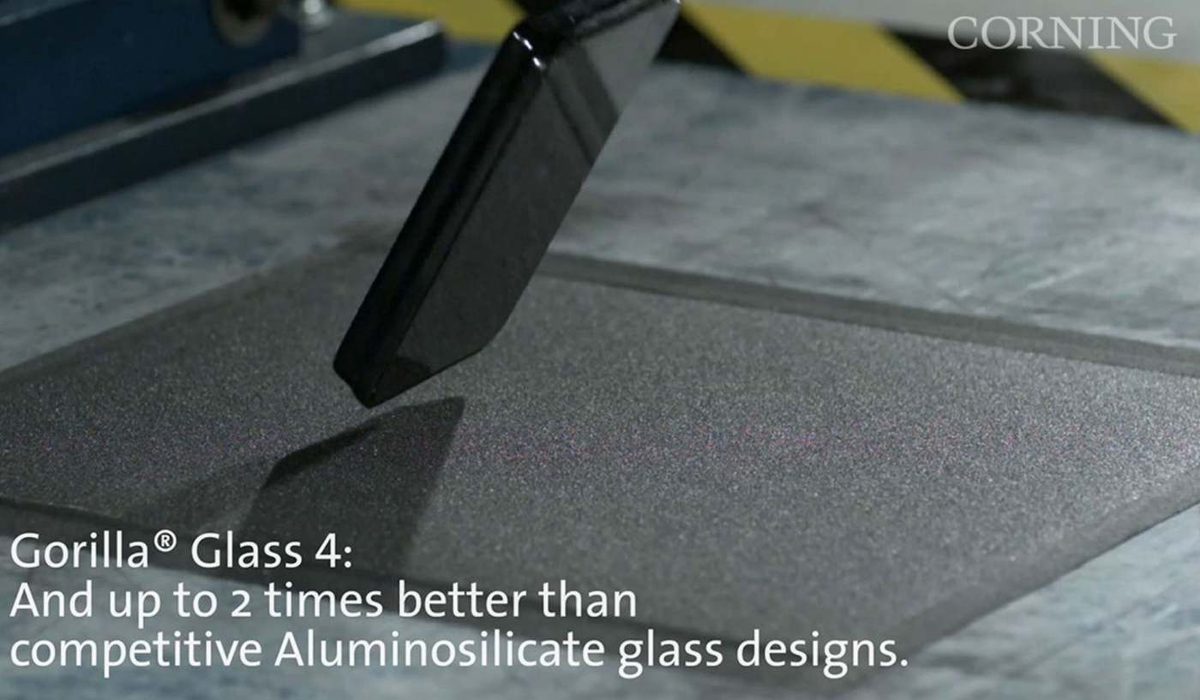
Corning Incorporated, the American glass manufacturing giant known for its Gorilla Glass product, has recently avoided a significant antitrust fine imposed by the European Union by agreeing to end exclusive supply agreements with smartphone manufacturers. This development follows a European Commission investigation into Corning's business practices, which were alleged to have restricted competition within the smartphone glass market. The resolution includes binding commitments by Corning to change its contractual practices, signaling a notable shift in how critical component suppliers operate in this sector.
Key Details
- The European Commission launched an investigation into Corning's exclusive supply agreements in 2024.
- Corning required mobile phone manufacturers to source all or nearly all of their Alkali-Aluminosilicate (Alkali-AS) glass, marketed as Gorilla Glass, from the company.
- Under the investigated agreements, Corning granted rebates conditioned on exclusivity, effectively limiting competition.
- Corning has agreed to waive all exclusive dealing clauses in its existing agreements within the European Economic Area (EEA).
- Future exclusive supply agreements with manufacturers or suppliers are prohibited globally.
- Corning cannot require manufacturers or suppliers in the EEA to purchase any minimum quantity of its glass; worldwide, such requirements are capped at 50% of needs.
- A nine-year compliance period has been established, including appointment of an independent trustee to monitor Corning's adherence.
- The EU accepted these commitments, avoiding a fine that could have been up to 10% of Corning’s global revenue.
Background
The European Commission’s antitrust investigation, announced in 2024, focused on Corning’s practice of exclusive supply agreements with major smartphone manufacturers. These agreements, alleged to hinder competition, were said to artificially inflate prices and suppress innovation in the smartphone glass industry — a critical component segment for mobile devices. Corning’s Gorilla Glass is widely used in smartphones for its durability and scratch resistance, making its supply agreements influential in the market dynamics.
Exclusive supply agreements are common in various industries but can raise competition concerns when a dominant player limits customer choice or deters new entrants. In Corning’s case, the Commission argued that the exclusivity clauses and rebate structures discouraged manufacturers from sourcing glass from Corning’s competitors or experimenting with alternative materials.
Impact Analysis
The commitments by Corning are expected to positively affect the smartphone industry by promoting competition and potentially lowering prices for consumers. By eliminating exclusivity, manufacturers can diversify their supplier base, encouraging innovation and reducing dependency on a single supplier.
“The European Commission’s investigation has been settled with no fine, no finding of wrongdoing by Corning, and no material impact to the company’s Gorilla Glass business or the company at large,” Corning told Bloomberg, emphasizing that the resolution allows the company to continue its operations while aligning with EU competition laws.
While Corning avoids financial penalties, the structural changes to its contracts represent a significant shift. The nine-year monitoring period and prohibition on exclusive deals set a precedent for how component suppliers must operate within the EU to maintain fair competition. This could encourage other companies with dominant market positions to reconsider similar contracts.
Broader Context
The EU has increasingly scrutinized technology and manufacturing companies for potentially anti-competitive practices, reflecting a broader regulatory trend aimed at fostering innovation and protecting consumer interests. The Corning case aligns with other recent interventions where the Commission stepped in to dismantle exclusivity arrangements or abusive market dominance.
Such regulatory actions are part of the EU’s comprehensive approach to antitrust enforcement, including digital markets and traditional industries. By preventing exclusionary contracts, the EU aims to maintain a level playing field that benefits smaller competitors and ultimately consumers.
Future Outlook
Corning’s commitment to these changes will be closely monitored over the next nine years, with the appointment of an independent trustee to oversee compliance. This oversight ensures that Corning’s practices remain transparent and fair.
For the industry, this case may motivate other suppliers and manufacturers to review their agreements to avoid similar investigations. It also signals to startups and smaller glass producers that barriers to entry might be reduced, potentially fostering innovation and diversity in the market.
In the long term, consumers could benefit from increased competition through better product quality, innovation, and potentially lower prices for smartphone components.
Conclusion
The resolution of the EU investigation into Corning highlights the balancing act regulators face between encouraging innovation and preventing anti-competitive practices. By ending exclusive supply agreements and accepting legally binding commitments, Corning has avoided significant fines while adapting to a more open market environment.
This case underscores the EU’s commitment to maintaining competitive markets in key technology sectors and sets a benchmark for other companies with dominant positions to follow suit. For consumers and the industry alike, the changes promise a more dynamic and innovative smartphone glass market in the years ahead.