Apple's iOS 26 and iPadOS 26 bring significant updates to enhance user experience
Introduction
Apple has officially released the public betas for its 2026 operating systems, including iOS 26, iPadOS 26, macOS Tahoe 26, watchOS 26, and tvOS 26. Users can now explore these new features ahead of their full release later this year. The updates are particularly interesting as they mark a significant shift in Apple's approach to software design and functionality, with changes aimed at creating a more cohesive ecosystem across its devices.
Key Details
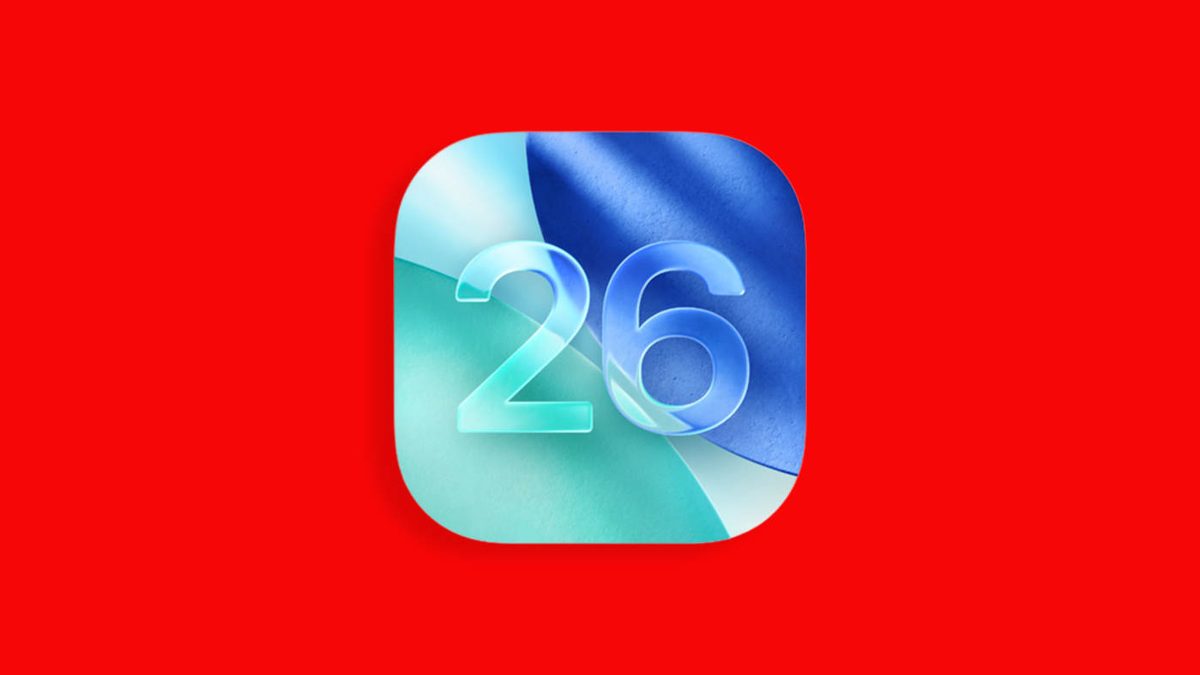
- The new Liquid Glass design is the most notable cosmetic change, bringing a sleek, modern aesthetic to Apple's software.
- Apple has shifted to a year-based naming convention, with the latest updates reflecting the year 2026.
- iOS 26 introduces features like personalized backgrounds, polls in Messages, and Live Translation capabilities.
- iPadOS 26 enhances multitasking with new desktop-like window management and includes familiar apps like Preview and Exposé.
- macOS Tahoe 26 integrates essential iPhone features such as the Phone app and Live Activities.
- watchOS 26 introduces a new AI-powered Workout Buddy feature for personalized fitness coaching.
Background
The release of these public betas follows Apple's tradition of enabling users to test new features before their official launch. The transition to a year-based naming system marks a departure from the traditional version numbering, with Apple signaling a more forward-looking approach to software development. This change not only simplifies the naming convention but also aligns with Apple's vision of continuous improvement and innovation in its product ecosystem.
Impact Analysis
One of the most significant changes in this update is the Liquid Glass redesign, which has been described as Apple's most substantial visual overhaul in years. This new aesthetic aims to unify the appearance of all Apple platforms, potentially enhancing user familiarity and comfort with the interface. By modernizing the look and feel, Apple is likely seeking to attract a younger audience that values aesthetic as much as functionality.
iOS 26's new features, such as Live Translation and enhanced messaging capabilities, reflect Apple's ongoing commitment to improving user communication and interaction. These updates could significantly enhance the usability of devices in a global context, especially for users who frequently engage in cross-lingual communication.
On the iPad front, iPadOS 26's introduction of desktop-like features is a game-changer for users who rely on their tablets for productivity. With the addition of window management and familiar applications, Apple is positioning the iPad not just as a media consumption device but as a viable alternative to traditional laptops and desktops. This could potentially reshape market perceptions of the iPad Pro, addressing previous criticisms regarding its productivity limitations.
macOS Tahoe 26's integration of features from iOS, particularly the Phone app and Live Activities, enhances the interconnectivity between Apple devices. This seamless integration is expected to improve user experience significantly, as tasks can now be managed across devices without interruption. It reflects Apple's strategy of creating a harmonious ecosystem that encourages users to remain within the Apple product family.
Furthermore, with watchOS 26's introduction of the AI-driven Workout Buddy, Apple is tapping into the growing interest in health and fitness technology. By providing personalized coaching directly from the wrist, Apple is not only enhancing the functionality of the Apple Watch but also fostering user engagement in health-related activities.
Broader Context
As Apple continues to innovate, it faces increasing competition from other tech giants who are also enhancing their software capabilities. The focus on aesthetic design and user experience is becoming a key differentiator in the crowded tech landscape. Apple’s move towards unified design and functionality across devices is a crucial strategy for maintaining its competitive edge.
Moreover, the shift to a public beta testing phase demonstrates Apple's confidence in its software integrity while also allowing users to be part of the developmental journey. This approach builds community engagement and helps Apple gather valuable feedback before the final release.
Future Outlook
Looking ahead, Apple is likely to continue refining its software offerings based on user feedback from these public betas. The successful integration of features across devices will likely lead Apple to further enhance its ecosystem, possibly introducing more innovative functionalities in future updates. As the tech landscape evolves, user expectations will continue to drive Apple’s development strategies.
Conclusion
The release of public betas for iOS 26, iPadOS 26, macOS Tahoe 26, and watchOS 26 showcases Apple's commitment to innovation and user experience. With substantial updates that enhance functionality and aesthetic appeal, these operating systems are poised to set a new standard for the Apple ecosystem. As users begin to test these features, the anticipation for the official release builds, promising an exciting evolution in the Apple software experience.



.webp)