Apple Mac Mini M6: A Compact Powerhouse for AI Enthusiasts
Introduction
Apple has refreshed its compact desktop offering with the new Mac Mini M6, positioning it as a potent, albeit small, contender for those looking to explore the burgeoning field of artificial intelligence. This iteration marks a significant technological leap, featuring Apple's first chip built on a cutting-edge 2-nanometer process node. While the exterior design remains largely unchanged, the internal architecture has been substantially upgraded, promising enhanced performance and efficiency that could redefine what users expect from a small form-factor computer.
Key Details
- New M6 Chip: Built on a 2nm process, featuring 46 billion transistors (a 35% increase in density) for improved efficiency and performance.
- Enhanced CPU: Increased to 12 cores, offering a 21% boost in single-thread and a 36% improvement in multi-threaded performance compared to the M4 model.
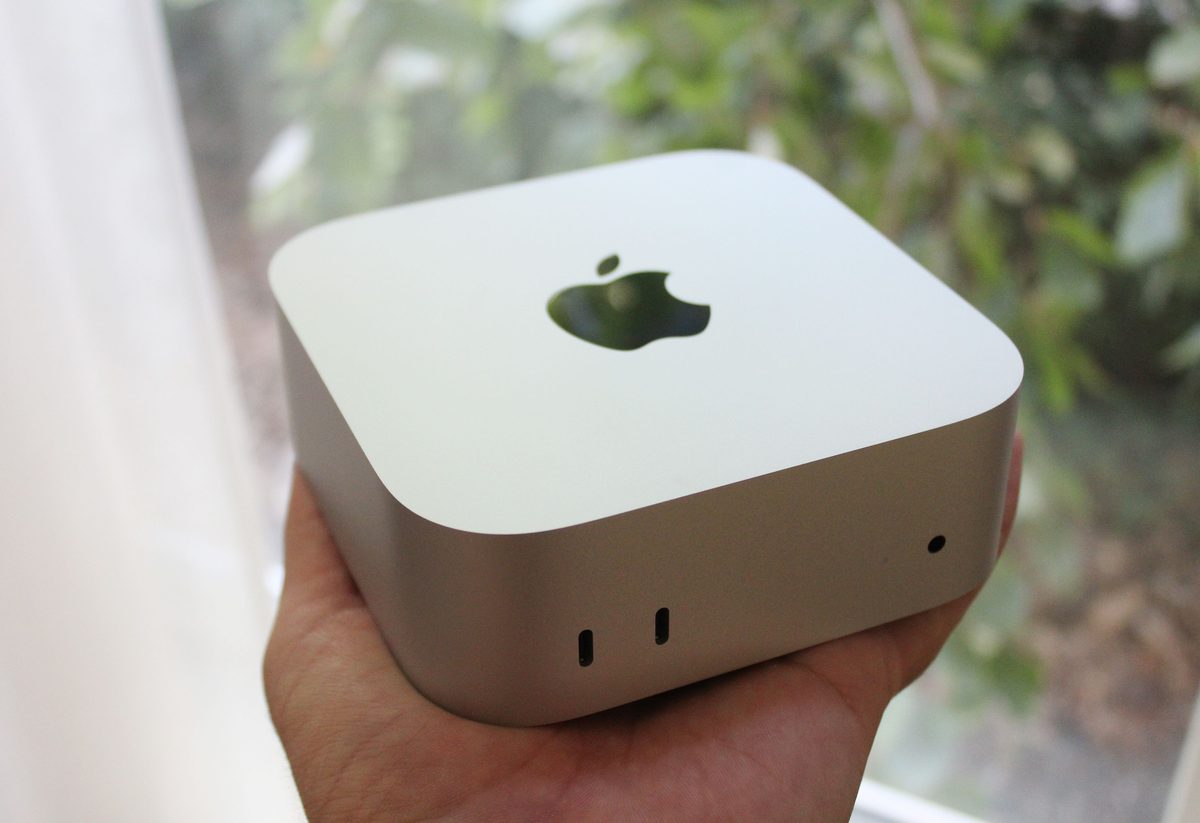
- Connectivity: Retains familiar ports including two front USB-C 3.0, three Thunderbolt 4, HDMI 2.1, Ethernet, and a headphone jack. Supports up to two 5K 120Hz or three 4K external displays.
- Design Quirks: The power button remains inconveniently located on the underside rear, and the lack of an SD card slot continues to be a drawback for content creators.
- Cooling: Features an active cooling system with a fan, which becomes audible under heavy load, ensuring sustained performance from the M6 chip.
Background
The Mac Mini has long occupied a unique niche in Apple's lineup, offering a powerful computing experience without the bundled display or peripherals, allowing users to leverage their existing setups or build custom configurations. This latest M6 iteration builds upon that philosophy, but with a specific focus on the demands of modern computing, particularly the computationally intensive tasks associated with AI development and deployment. The transition to a 2nm process node is a significant engineering feat, allowing Apple to pack more transistors into a smaller space, leading to potential gains in both speed and power efficiency.
Impact Analysis
The performance improvements brought by the M6 chip are most keenly felt in AI-related workloads. The increased transistor count and enhanced CPU cores translate to faster processing of machine learning models, quicker data analysis, and more responsive AI-driven applications. While the gains over previous generations are substantial, direct comparisons to Apple's laptop offerings, like the M5 Pro chip in the MacBook Pro, show a more nuanced picture. The M6 Mac Mini offers a notable uplift in multi-threaded performance, making it a strong choice for tasks that can leverage multiple cores effectively. However, the single-thread performance increase, while present, is less dramatic when stacked against high-end laptop chips.
“The M6 Mac Mini represents a significant step for Apple Silicon, particularly for users interested in AI. The move to a 2nm process and the increased core count deliver tangible performance benefits for computationally demanding tasks.”
The active cooling system is a crucial element here. Unlike fanless MacBook Air models, the Mac Mini's fan allows the M6 chip to sustain peak performance for longer durations without thermal throttling. This is a critical advantage for intensive AI training or complex rendering tasks where consistent power delivery is paramount. For users who may have previously considered the Mac Mini only for lighter duties, the M6 chip fundamentally expands its capabilities into more demanding professional territory.
Broader Context
The release of the Mac Mini M6 arrives at a time when AI is rapidly becoming integrated into various software and workflows. Apple's continued investment in its custom silicon, moving to smaller process nodes, and enhancing core performance demonstrates a clear strategy to empower users with increasingly capable hardware for these evolving computational needs. The Mac Mini, with its accessible price point and compact form factor, democratizes access to powerful AI-ready computing, making it an attractive option not just for professionals but also for students and hobbyists keen on experimenting with AI technologies.
Future Outlook
With the M6 chip setting a new benchmark, the future looks bright for Apple's compact desktop. We can anticipate further refinements in subsequent chip generations, potentially bringing even greater performance and efficiency. The ongoing development of AI software will undoubtedly leverage the capabilities of hardware like the M6 Mac Mini, creating a symbiotic relationship where hardware advancements enable more sophisticated AI applications, and software demands drive further hardware innovation. While design elements like the power button placement and the lack of an SD card slot may persist as minor annoyances for some, the core performance and AI readiness of the M6 Mac Mini make it a compelling proposition for the foreseeable future.
Conclusion
The Apple Mac Mini M6 is more than just an incremental update; it's a significant leap forward, particularly for users drawn to the potential of AI. Its new 2nm M6 chip delivers substantial performance gains, especially in multi-threaded tasks, making it a capable workstation for demanding applications. Despite some enduring design quirks, the Mac Mini M6 solidifies its position as a compact, powerful, and increasingly AI-focused computing solution that offers excellent value for its performance class.
Source: wired.com